Iran Threatens to Close More Vital Seaways as US Renews Blockade
Iran's Islamic Revolutionary Guard Corps has threatened to close 'all other export corridors that benefit the US and its allies' after Iran shut the Strait of Hormuz and the US reimposed a naval blockade of Iranian ports.
Intelligence analysis by Llama
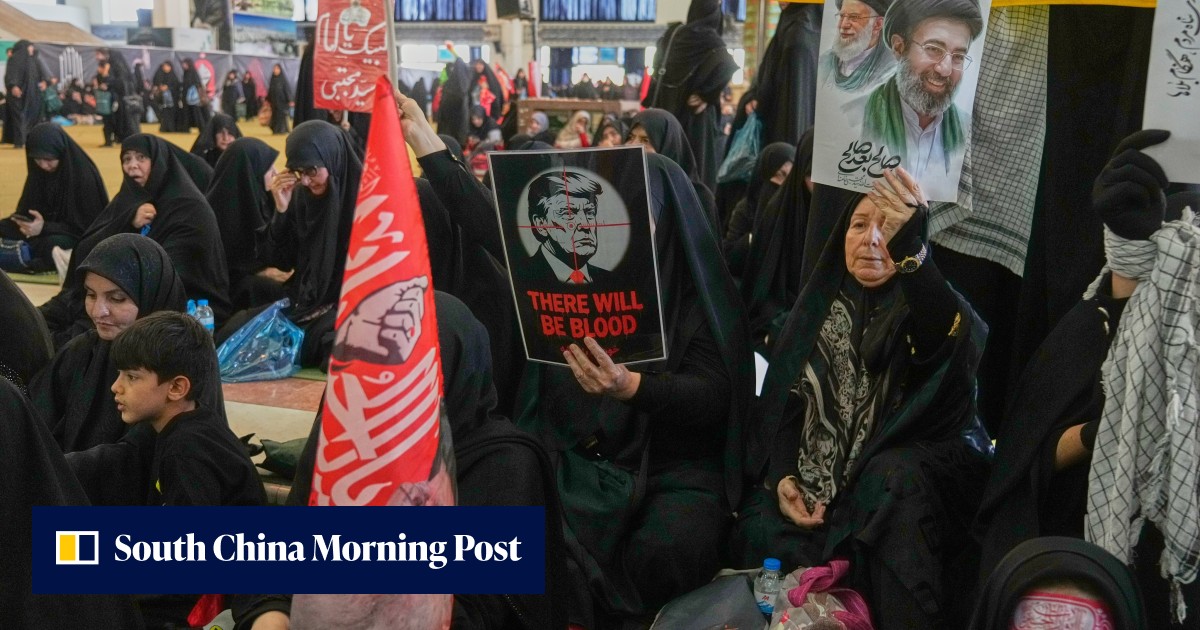
Iran has threatened to close more vital seaways, including the Bab el-Mandeb gateway to the Red Sea, in response to the US's renewed naval blockade of Iranian ports. This move could put two of the world's most vital energy arteries at risk, potentially sending oil prices soaring to $200 a barrel.
Iran is threatening to close important waterways that ships use to transport oil. This could make it harder for countries to get the oil they need, and might even cause oil prices to go up. It's like a big game of blockades, where countries are trying to control who gets to use the waterways.
Analysis
A New Front Against Washington
Iran's Islamic Revolutionary Guard Corps has threatened to close 'all other export corridors that benefit the US and its allies' after Iran shut the Strait of Hormuz and the US reimposed a naval blockade of Iranian ports. This move is a clear escalation of tensions between Iran and the US, and has significant implications for global energy markets.
The threat to close more vital seaways, including the Bab el-Mandeb gateway to the Red Sea, is a new front against Washington. The Bab el-Mandeb Strait is a narrow gateway that links the Red Sea to the Gulf of Aden, through which Saudi oil exports and a substantial share of global shipping pass. A senior Houthi official warned on Monday that the group was prepared to close the Bab el-Mandeb Strait – a move he said could send oil prices soaring to $200 a barrel – if Saudi Arabia continued to attack Yemen.
The US has warned that it will target Iranian energy infrastructure if Iran continues to threaten global shipping. This has led to a significant increase in tensions between the two countries, and has raised concerns about the potential for conflict in the region.
Why the US is Targeting Iranian Energy Infrastructure
The US has warned that it will target Iranian energy infrastructure if Iran continues to threaten global shipping. This is because the US sees Iran's actions as a threat to global stability and security. The US has also warned that it will take action to protect its allies and interests in the region.
The Road Ahead
The threat to close more vital seaways has significant implications for global energy markets. If Iran follows through on its threat, it could lead to a sharp increase in oil prices. This would have a significant impact on the global economy, and could lead to a recession.
However, it is worth noting that the US has warned that it will take action to protect its allies and interests in the region. This could include targeting Iranian energy infrastructure, which would have significant implications for Iran's economy.
In conclusion, the threat to close more vital seaways is a significant escalation of tensions between Iran and the US. It has significant implications for global energy markets, and could lead to a sharp increase in oil prices. The US has warned that it will take action to protect its allies and interests in the region, which could include targeting Iranian energy infrastructure.
Key points
- Iran has threatened to close 'all other export corridors that benefit the US and its allies' after Iran shut the Strait of Hormuz and the US reimposed a naval blockade of Iranian ports.
- The threat to close more vital seaways, including the Bab el-Mandeb gateway to the Red Sea, is a new front against Washington.
- The US has warned that it will target Iranian energy infrastructure if Iran continues to threaten global shipping.
- The threat to close more vital seaways has significant implications for global energy markets and could lead to a sharp increase in oil prices.
- The US has warned that it will take action to protect its allies and interests in the region, which could include targeting Iranian energy infrastructure.
If Iran and the US can find a way to resolve their differences, it could lead to a decrease in tensions and a more stable global energy market. This could also lead to a decrease in oil prices, which would be beneficial for the global economy.
If Iran follows through on its threat to close more vital seaways, it could lead to a sharp increase in oil prices. This would have a significant impact on the global economy, and could lead to a recession. It could also lead to a conflict between Iran and the US, which would have significant implications for global stability and security.
