Iran to respond more forcefully to MoU violations after 2nd night of fire exchange with US
Iran will respond more forcefully to violations of the Memorandum of Understanding after a second night of fire exchange with the US. The IRGC has launched operations against US military installations in the region.
Intelligence analysis by Llama 3.3 70B

The IRGC has announced that it will hit American bases harder in the coming days and deal more decisively with ships attempting to pass through the Hormuz Strait without authorization.
Imagine two countries, Iran and the US, having a disagreement about a important waterway called the Hormuz Strait. They made a deal, but now they're arguing about what that deal means, and they're even shooting at each other. This is making a lot of people worried about what might happen next.
Analysis
Escalating Tensions in the Hormuz Strait
The recent exchange of fire between Iran and the US has raised concerns about the stability of the region. The IRGC's announcement that it will respond more forcefully to violations of the Memorandum of Understanding has escalated the situation, with potential consequences for global oil markets and regional security.
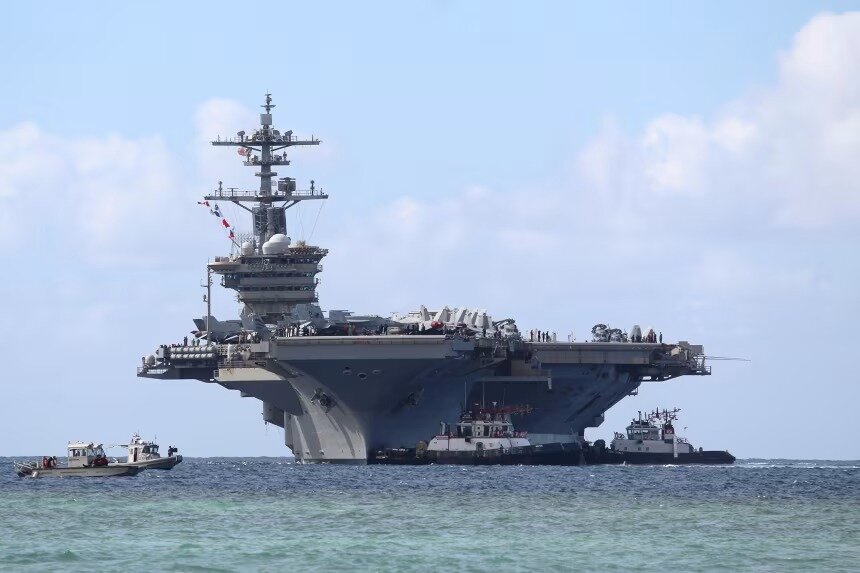
The US has been attempting to open a parallel path through the Hormuz Strait, which Iran sees as an attempt to undermine its leverage in ongoing negotiations. Iran has responded by firing warning shots at violating vessels, and the US has retaliated by striking targets in southern Iran.
The Role of the IRGC in Iran's Military Strategy
The IRGC has played a significant role in Iran's military strategy, particularly in the Hormuz Strait. The IRGC's Navy has been involved in confrontations with US vessels, and its ballistic missiles and drones have been used in operations against US military installations. The IRGC's statement that it will hit American bases harder in the coming days has raised concerns about the potential for further escalation.
Implications for Regional Security and Nuclear Negotiations
The escalation of tensions between Iran and the US has significant implications for regional security and the ongoing negotiations aimed at limiting Iran's nuclear program. The situation could lead to a wider conflict, and the IRGC's announcement that it may withdraw from peace talks has raised concerns about the potential for a breakdown in negotiations. The US and Iran must find a way to de-escalate the situation and return to the negotiating table to avoid further conflict.
Key points
- Iran will respond more forcefully to violations of the Memorandum of Understanding
- The IRGC has launched operations against US military installations in the region
- The US has been attempting to open a parallel path through the Hormuz Strait
If the US and Iran can find a way to de-escalate the situation and return to the negotiating table, they may be able to reach a new agreement that addresses the concerns of both sides. This could lead to a reduction in tensions and a more stable region.
The escalation of tensions between Iran and the US could lead to a wider conflict, with significant consequences for regional security and global oil markets. If the situation continues to deteriorate, it could lead to a breakdown in negotiations and a further escalation of violence.