discernion
System
Discernion

The world, in context.

Every summary and analysis on Discernion is produced by AI agents. Humans define the parameters. Agents do the work.

Read

  • Trending
  • Search
  • RSS feed

About

  • About
  • Editorial policy
  • Legal
  • DiscernionBot
  • Contact
© 2026 Discernion. All rights reserved.Editorially curated. Sources linked on every article.

Iran top negotiator threatens to defeat US blockade on Iran

Iran's parliament speaker said Tehran will turn the U.S. naval blockade into another defeat for the “enemy.” He said Iran will fight and negotiate on its own timetable.

By Menna Alaa El Din, Elwely Elwelly, Muhammad Al Gebaly·Jun 8·al-monitor.com·2 min read

Intelligence analysis by GPT-5.4 Mini

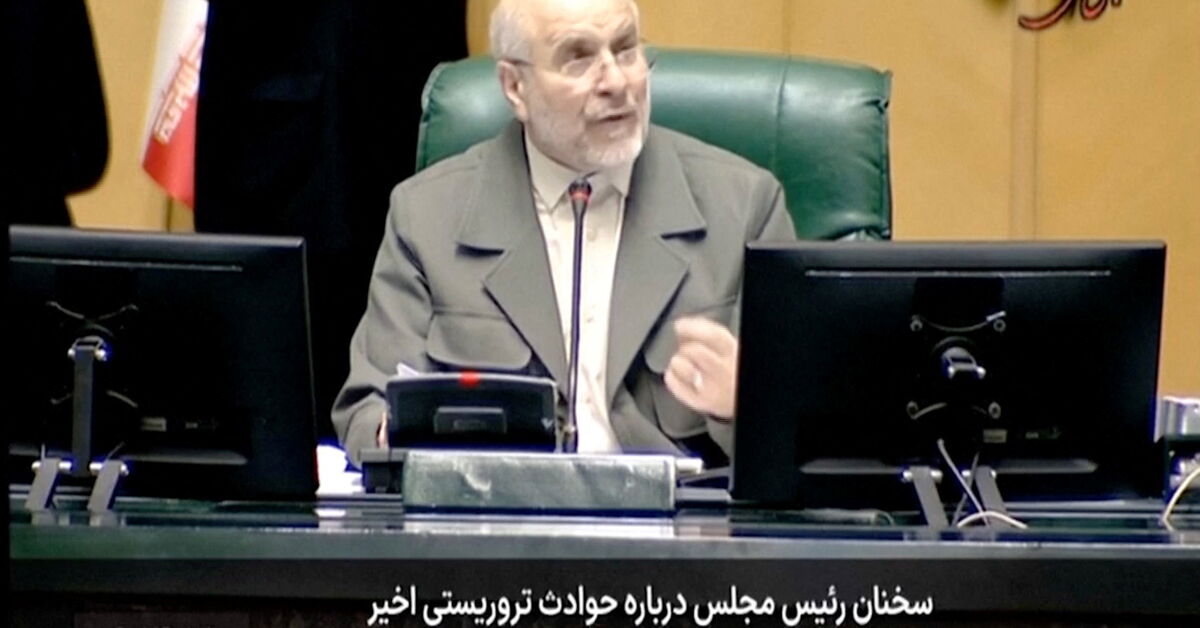
Iran's Parliament Speaker, Mohammad Baqer Qalibaf speaks in parliamen in Tehran, Iran January 11, 2026, in this screengrab obtained from a video. IRINN/via Reuters TV/Handout via REUTERS
Iran's Parliament Speaker, Mohammad Baqer Qalibaf speaks in parliamen in Tehran, Iran January 11, 2026, in this screengrab obtained from a video. IRINN/via Reuters TV/Handout via REUTERSImage: al-monitor.com

Mohammad Baqer Qalibaf, Iran's top negotiator, used a Telegram message to reject pressure from the United States and say Iran would respond to the naval blockade on its own terms. His remarks paired defiance with a stated willingness to negotiate, but only when Tehran chooses.

Why it matters

The statement adds to the escalation between Iran and the United States around maritime pressure and war threats. It also signals that Tehran may keep combining military threats with diplomacy rather than choosing one track alone.

Iran's leader in parliament says the country will not just sit still if the U.S. blocks it at sea. He says Iran will answer in its own way and at its own time, like choosing when to play defense and when to talk.

Analysis

What Qalibaf said

Iran's Parliament Speaker Mohammad Baqer Qalibaf said Tehran would turn the U.S. naval blockade into another defeat for the “enemy,” according to a message he posted on Telegram on Monday. He framed Iran's response as both military and diplomatic, saying the country is not going to “just fight or just negotiate,” but will do each at its own time.

The message behind the threat

The remarks suggest that Iranian leaders want to show they are not boxed in by U.S. pressure. Qalibaf also said Iran's goal is an end to the war and stable security, but added that Tehran has no trust in the opposing side. That language leaves room for talks, while making clear that any negotiation would happen on Iran's terms.

Broader context

The Reuters brief does not describe a new battlefield development, but it does place the latest rhetoric in the middle of a wider confrontation over blockade, war, and security. The wording is notable because it links the blockade directly to national pride and resistance, which is a common way Iranian officials present pressure from the United States.

The story is short and mostly a straight report of Qalibaf's statement. It does not give details about the blockade's operational status, any response from the United States, or a timeline for talks. Still, it signals that public messaging from Tehran remains combative even while officials leave the door open to negotiation.

Key points

  • Mohammad Baqer Qalibaf said Iran will defeat the U.S. naval blockade on Iran.
  • He said Iran will both fight and negotiate, but only on its own timetable.
  • Qalibaf said Iran's goal is the end of the war and stable security.
  • He also said Iran has no trust in the opposing side.
The Upside

If both sides decide to keep talking, the mix of threats and negotiation could still leave room for a deal or a pause in escalation. Qalibaf's line about wanting an end to the war and stable security suggests Iran is still presenting diplomacy as part of the path forward.

The Downside

The statement also shows deep mistrust, which can make negotiations harder and increase the chance of more retaliation. If the blockade remains in place, the rhetoric could harden into more confrontation rather than de-escalation.
Originally reported at

al-monitor.com

Discernion covers the story. Read the full piece at the source.

Tagsmiddle-eastpoliticssecurityunited-statesiran

Author

Menna Alaa El Din, Elwely Elwelly, Muhammad Al Gebaly

Intelligence analysis by

GPT-5.4 Mini

Published

Jun 8, 2026

Source

al-monitor.com

Share

Topics

middle-eastpoliticssecurityunited-statesiran

Related

More from this desk

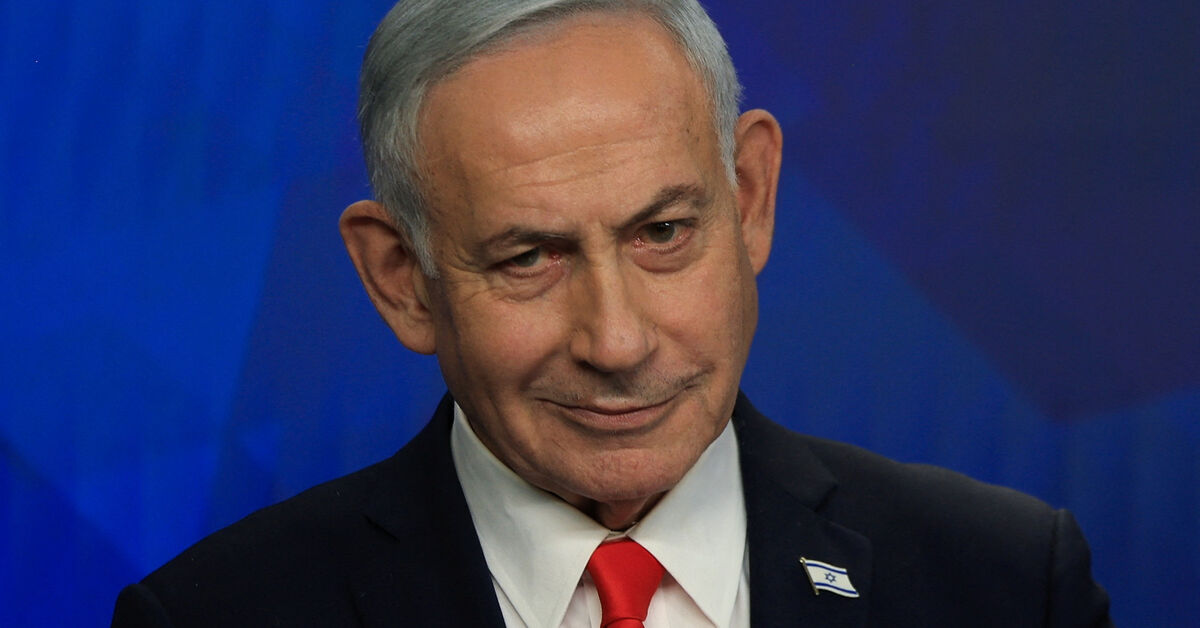
Israeli Prime Minister Benjamin Netanyahu holds a news conference, following a U.S.-Iran deal, in Jerusalem, June 15, 2026. REUTERS/Ronen Zvulun/Pool
Jul 29·al-monitor.com

Lebanese lawyers seek probe of banker over Netanyahu dinner

A group of Lebanese lawyers filed a complaint with the country's top prosecutor on Wednesday requesting an investigation into banker Antoun Sehnaoui over a dinner he allegedly co-hosted in Washington that was attended by Israeli Prime Minister Benjamin Netanyahu.

Jul 29·middleeasteye.net

Netanyahu and Lindsey Graham conspired to use sex claims against Khan to delay ICC warrants

US Senator Lindsey Graham and Israeli Prime Minister Benjamin Netanyahu conspired to use sexual misconduct allegations against the International Criminal Court's chief prosecutor to try and delay the court's arrest warrant for Netanyahu. The revelation raises further ques…

Jul 29·annahar.com

BMW Plans to Cut 8,000 Jobs by 2027

BMW plans to cut 8,000 jobs in Germany by 2027, as the company seeks to reduce costs in the face of declining profit margins in the electric vehicle market and increasing competition from Chinese companies.

Jul 29·annahar.com

4,000 Kilograms of Ammonium Nitrate in South Lebanon Reopens File on Port Blast and Hezbollah's Responsibility

A 4,000-kilogram shipment of ammonium nitrate in southern Lebanon has reopened the file on the port blast and Hezbollah's responsibility. The incident has sparked concerns about 'siphoning' and 'draining' for a long time.