Iran tops in region in polymer production
Iran holds top position for polymer product manufacturing in the Middle East, according to an expert.
Intelligence analysis by Qwen 2.5 (3B)
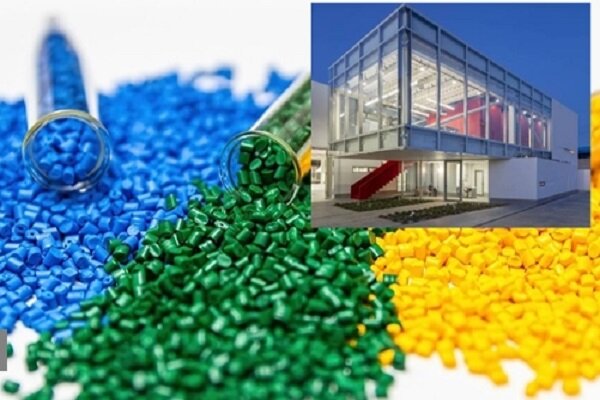
Iran's polymer production capacity is around 8.8 million tons per year, making it a major player in the region.
Iran makes a lot of plastic stuff. They're really good at it. They want to sell more plastic to other countries like Europe and Asia.
Analysis
Polymer Production Capacity
Iran's polymer production capacity is approximately 8.8 million tons per year, which is roughly 1.8% of global capacity and 21% of total production in the Middle East. This statistic underscores Iran's significant role in the polymer industry.
Expert Insights
Reza Khademi, a prominent expert in the field, emphasized the importance of expanding export targets to include Europe, Central Asia, and the Caucasus. He highlighted Iran's vast oil and natural gas reserves, alongside its expanded petrochemical infrastructure, as key competitive advantages.
Economic Growth and Young Leadership
Khademi also emphasized the role of local expertise and younger leadership in driving economic growth. He noted that Iranian engineers and young managers, working alongside experienced industry veterans, have successfully positioned the nation as a leader in sectors where it maintains a comparative advantage.
Regional Positioning
The expert's comments suggest that Iran is positioning itself to increase its export targets beyond regional markets, potentially impacting the global polymer market. This could have implications for trade policies and economic relations in the region.
Key points
- Iran holds the top position for polymer product manufacturing in the Middle East.
- Iran's polymer production capacity is approximately 8.8 million tons per year.
- The country's vast oil and natural gas reserves, alongside its expanded petrochemical infrastructure, are key competitive advantages.
- Younger leadership and local expertise are playing a crucial role in positioning Iran as a leader in sectors where it maintains a comparative advantage.
- The expert suggests expanding export targets to include Europe, Central Asia, and the Caucasus.
If Iran can successfully expand its export targets, it could lead to increased economic growth and diversification of its industries.
However, if Iran faces challenges in expanding its export targets, it could lead to economic stagnation and reduced influence in the global polymer market.