Iran urges BRICS to build resilient and sustainable tourism sector
Iran's Minister of Cultural Heritage, Tourism and Handicrafts calls for a new definition of resilience in tourism at the BRICS Tourism Ministers' Meeting. He thanks India for hosting the gathering and stresses the need for stronger international cooperation to shape a hum…
Intelligence analysis by Qwen 2.5 (3B)
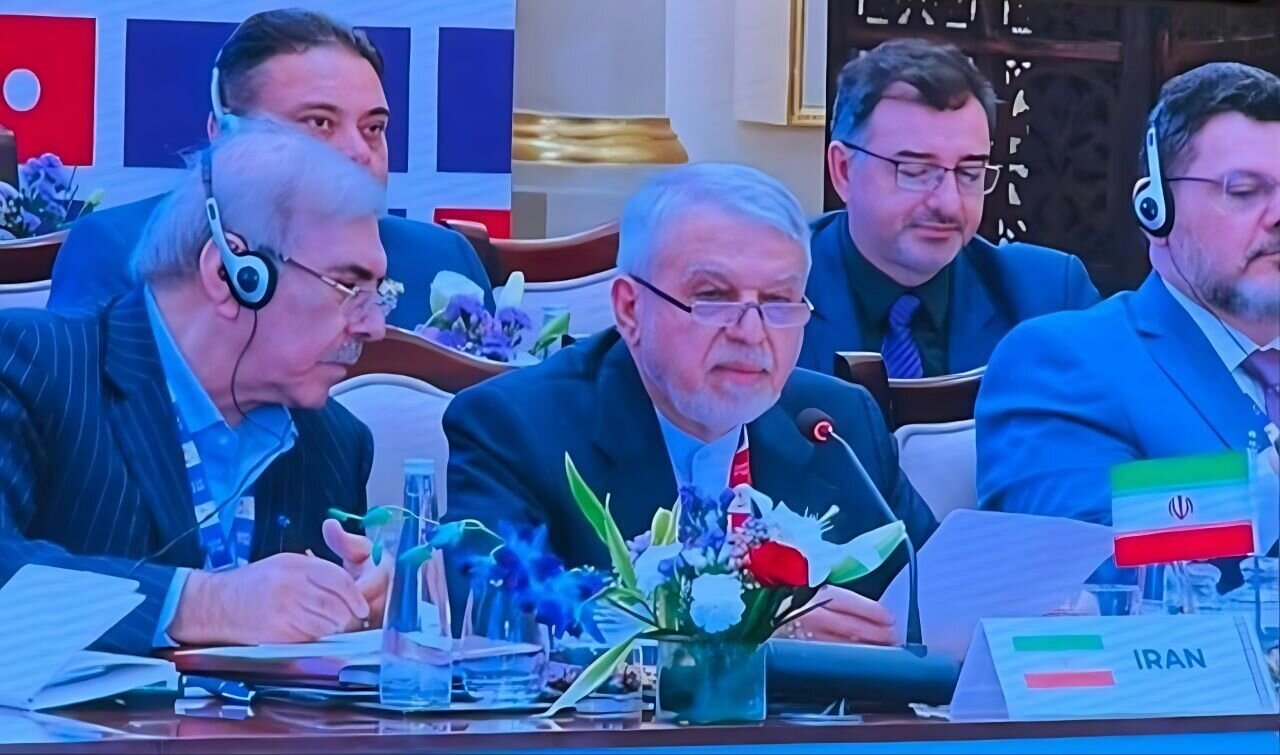
Iran’s cultural minister urges BRICS countries to prioritize resilient, sustainable tourism amid global conflicts and crises, highlighting Iran's own resilience efforts following US-Israeli attacks on its sites.
Iran wants other countries to work together on tourism so they can all be safe and have fun places to visit. They also want to protect old buildings that are important to history.
Analysis
{"#ConflictImpact":"The minister emphasizes that resilience should not only be about tourist destinations' ability to withstand crises but also about preserving cultural heritage and fostering mutual understanding among nations. He criticizes US-Israeli aggression against Iran, which has caused significant damage to historical sites and civilian casualties.","#BRICSTourismFund":"Iran proposes the establishment of a BRICS tourism project support fund within the framework of the New Development Bank to develop infrastructure in member countries and facilitate joint projects.","#SilkRoadPotential":"The minister advocates for greater use of the Silk Road's historical potential to strengthen people-to-people exchanges among BRICS countries, promoting cultural exchange and regional cooperation."}
Key points
- Iran's Minister of Cultural Heritage calls for a new definition of resilience in tourism
- He thanks India for hosting the BRICS Tourism Ministers' Meeting
- The minister emphasizes the need for stronger international cooperation to shape a human-centered future for tourism
- Iran proposes establishing a BRICS tourism project support fund within the framework of the New Development Bank
If the proposed fund is successful, it could help build new tourist attractions in different BRICS countries, making travel more accessible for everyone.
However, if the attacks continue or other conflicts arise, this project might not be as effective in rebuilding tourism infrastructure and cultural sites.