Iran urges US to accept proposal to reopen Strait of Hormuz
Iran's offer to reopen Strait of Hormuz within 7 days is still on the table, says Iran's Foreign Minister Abbas Araqchi. Iran presented its proposal in mid-September after an interim ceasefire collapsed. Talks have stalled due to Washington's failure to address all seven …
Intelligence analysis by Qwen 2.5 (3B)
Iran's Foreign Minister Abbas Araqchi urges the US to accept Iran's proposal to reopen the Strait of Hormuz within 7 days, citing seven conditions including lifting US sanctions and ending hostilities.
Iran wants the US to let them open a big waterway called the Strait of Hormuz. They need the US to stop hurting Iran and to let Iran sell its oil. If the US does this, Iran says they can open the waterway in 7 days.
Analysis
{"
Iran's Proposal Conditions":"Iran has outlined seven conditions for reopening the Strait of Hormuz, including lifting US sanctions on its oil exports, ending hostilities on regional fronts, and addressing Iran's nuclear program.","
US Response and Negotiations":"Tehran acknowledged receiving a US response but Iran's security chief stated that negotiations have stalled due to Washington's failure to address all seven conditions. The US has insisted on addressing Iran's nuclear program from the outset.","
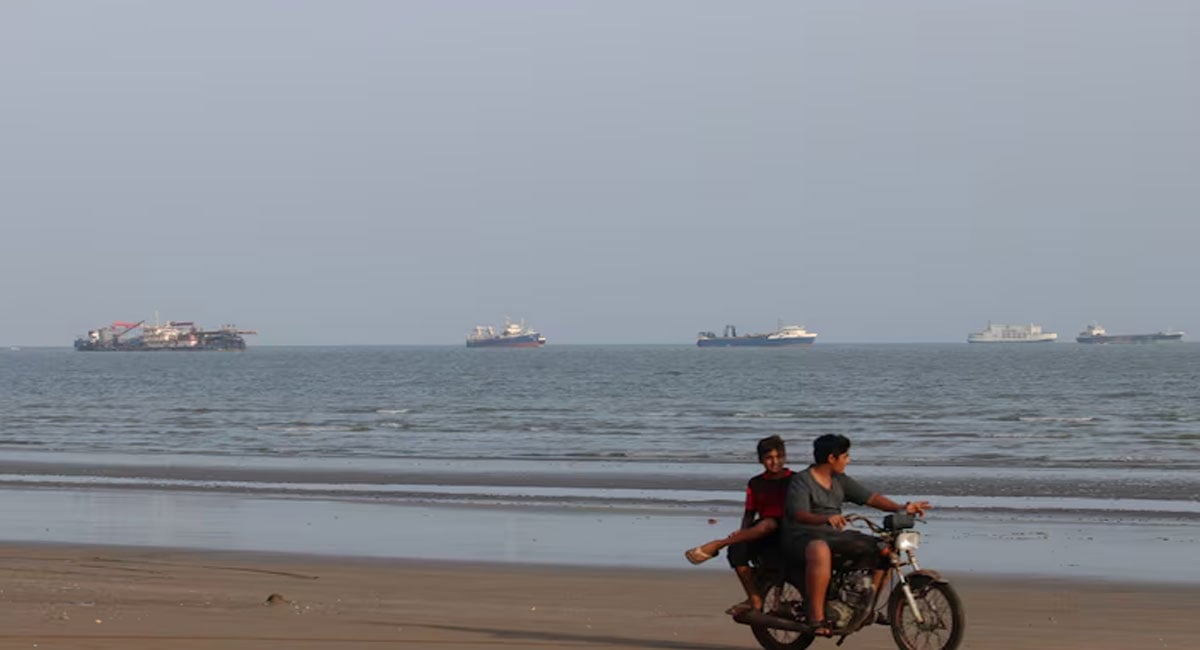
Regional Implications":"The reopening of the Strait of Hormuz is crucial for global oil trade and regional stability. The strait carries about a fifth of the global trade in oil and liquefied natural gas (LNG)."}
Key points
- Iran's proposal to reopen the Strait of Hormuz within 7 days is still on the table.
- Tehran has outlined seven conditions for reopening the strait, including lifting US sanctions and addressing Iran's nuclear program.
- Negotiations have stalled due to Washington's failure to address all seven conditions.
If the US accepts Iran's conditions, the Strait of Hormuz could be reopened within six days, allowing global oil trade to resume smoothly.
If the US does not accept Iran's conditions, negotiations may stall further, potentially leading to continued hostilities and disruptions in global oil trade.