Iran, US hold fire as Saudi Arabia intercepts drones
Iran and the United States held their fire for a third consecutive day on Monday, though American ally Saudi Arabia said it had intercepted a drone attack launched by Tehran-backed groups in Iraq.
Intelligence analysis by Llama
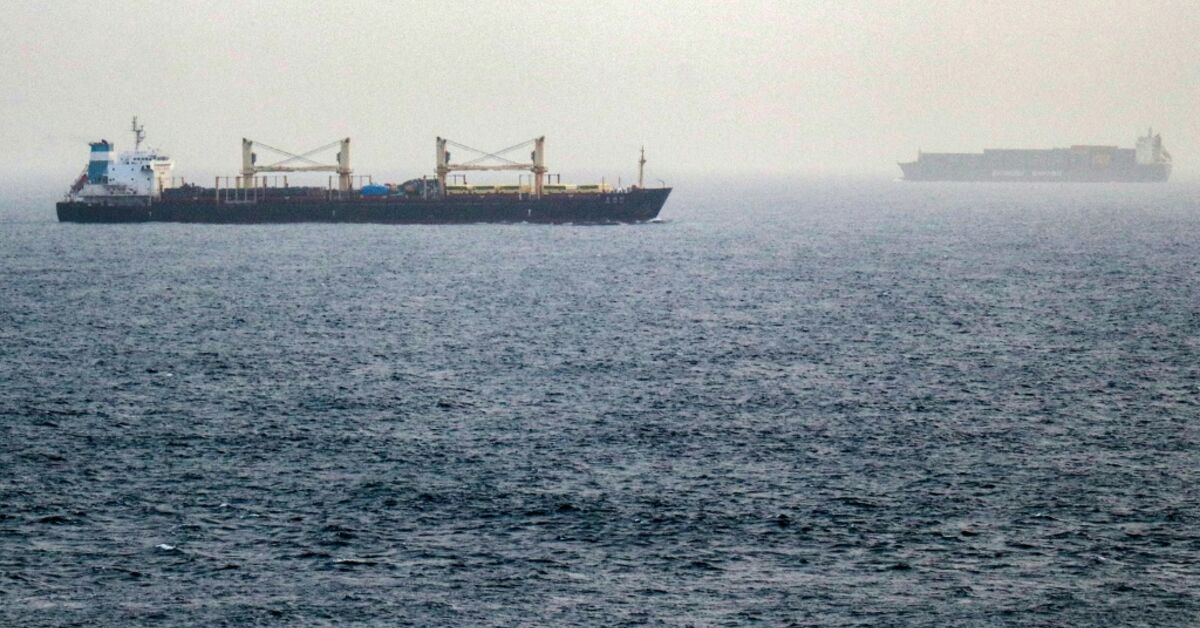
The pause in strikes between Washington and Tehran has given respite to Gulf shipping and the oil industry, with international benchmark Brent dropping more than four percent to $87 a barrel.
Imagine you're playing a game of chess with your friend. You both agree to take a break and think about your next move. That's basically what's happening with the US and Iran right now. They're not fighting, but they're not making any progress either. It's a bit like a stalemate. But the good news is that they're talking, and that's a good sign.
Analysis
A $60B Vote of Confidence
The pause in strikes between Washington and Tehran has given respite to Gulf shipping and the oil industry, with international benchmark Brent dropping more than four percent to $87 a barrel. This development is a significant vote of confidence in the ability of the two sides to negotiate a peaceful resolution to the conflict. The conflict has had a major impact on the global economy, with oil prices surging in recent weeks. The pause in strikes is a welcome relief for the oil industry and for the global economy as a whole.
Why Cursor?
The question on everyone's mind is why the US and Iran have decided to hold fire. The answer lies in the complex web of diplomacy and negotiation that has been underway for weeks. The US has been engaged in talks with Iran through mediators, and it appears that these talks have borne fruit. The US has agreed to hold fire in exchange for Iran's agreement to negotiate a peaceful resolution to the conflict.
The Road Ahead
The road ahead is uncertain, and it is unclear what the future holds for the US and Iran. However, one thing is clear: the pause in strikes is a significant development that could have far-reaching implications for the region and the global economy. The US and Iran must continue to negotiate in good faith if they are to achieve a peaceful resolution to the conflict. The stakes are high, and the consequences of failure are severe. But with diplomacy and negotiation, there is hope for a better future.
Key points
- The US and Iran have agreed to hold fire for a third consecutive day.
- Saudi Arabia has intercepted a drone attack launched by Tehran-backed groups in Iraq.
- The pause in strikes has given respite to Gulf shipping and the oil industry.
- The US and Iran are engaged in talks through mediators.
- The US has agreed to hold fire in exchange for Iran's agreement to negotiate a peaceful resolution to the conflict.
If the US and Iran can continue to negotiate in good faith, there is hope for a peaceful resolution to the conflict. A successful negotiation could lead to a significant reduction in tensions between the two sides, and could even lead to a complete withdrawal of US forces from the region.
However, the road ahead is uncertain, and there are many challenges that must be overcome before a peaceful resolution can be achieved. The US and Iran have a long history of conflict, and it will take a lot of effort and compromise to overcome these differences. If the talks fail, the consequences could be severe, and the region could be plunged into even greater chaos.