Iran vows relentless legal action over US and Israeli crimes
Iran's Judiciary has launched legal proceedings against the US and Israel, seeking international prosecution and financial reparations for war crimes and military aggression against the country.
Intelligence analysis by Llama
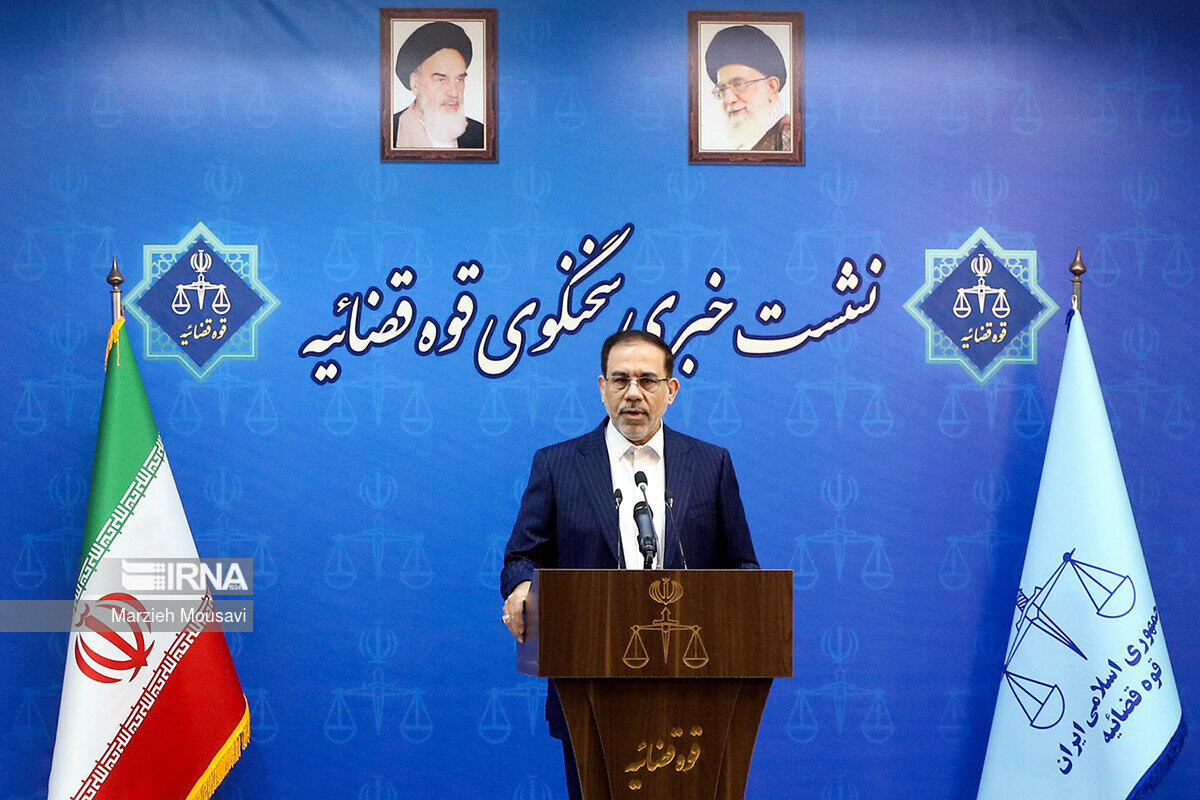
Iran's Judiciary has launched comprehensive legal proceedings against the US and Israel, seeking international prosecution and financial reparations for war crimes and military aggression against the country. The proceedings include criminal cases against US and Israeli officials, and civil petitions from over 300,000 natural and legal entities.
Iran's Judiciary is taking action against the US and Israel for their actions against Iran. They are seeking international prosecution and financial reparations for war crimes and military aggression. This is a big deal because it means Iran is standing up for its rights and seeking justice.
Analysis
A $60B Vote of Confidence
Iran's Judiciary has launched comprehensive legal proceedings against the US and Israel, seeking international prosecution and financial reparations for war crimes and military aggression against the country. The proceedings include criminal cases against US and Israeli officials, and civil petitions from over 300,000 natural and legal entities. The Judiciary's Human Rights Headquarters has categorized the documented strikes into three classifications under the Rome Statute, specifically focusing on war crimes, crimes against humanity, and genocide. The evidence compiled involves direct and deliberate attacks targeting civilians, hospitals, schools, nuclear facilities, and critical national infrastructure. The documentation regarding the 12-day conflict in June last year has already been officially submitted to the United Nations as a registered document. The Presidential Legal Department and the Ministry of Foreign Affairs are concurrently pursuing the execution of these files through international tribunals to ensure the accused do not enjoy continued impunity. The move by Iran's Judiciary is significant as it seeks to hold the US and Israel accountable for their actions, and to secure financial reparations for the damages inflicted upon the country. This development has far-reaching implications for international relations and the rule of law. Iran's Judiciary is sending a strong message that it will not tolerate aggression and will seek justice for its citizens. The international community is watching this development closely, and it remains to be seen how the US and Israel will respond to these legal proceedings. The outcome of these proceedings will have significant consequences for the global order and the principles of international law. Iran's Judiciary is taking a bold step in seeking justice and accountability, and it is likely that this development will have a lasting impact on the global stage.
Why Cursor?
The move by Iran's Judiciary is significant as it seeks to hold the US and Israel accountable for their actions, and to secure financial reparations for the damages inflicted upon the country. The proceedings include criminal cases against US and Israeli officials, and civil petitions from over 300,000 natural and legal entities. The Judiciary's Human Rights Headquarters has categorized the documented strikes into three classifications under the Rome Statute, specifically focusing on war crimes, crimes against humanity, and genocide. The evidence compiled involves direct and deliberate attacks targeting civilians, hospitals, schools, nuclear facilities, and critical national infrastructure. The documentation regarding the 12-day conflict in June last year has already been officially submitted to the United Nations as a registered document. The Presidential Legal Department and the Ministry of Foreign Affairs are concurrently pursuing the execution of these files through international tribunals to ensure the accused do not enjoy continued impunity.
The Road Ahead
The move by Iran's Judiciary is significant as it seeks to hold the US and Israel accountable for their actions, and to secure financial reparations for the damages inflicted upon the country. The proceedings include criminal cases against US and Israeli officials, and civil petitions from over 300,000 natural and legal entities. The Judiciary's Human Rights Headquarters has categorized the documented strikes into three classifications under the Rome Statute, specifically focusing on war crimes, crimes against humanity, and genocide. The evidence compiled involves direct and deliberate attacks targeting civilians, hospitals, schools, nuclear facilities, and critical national infrastructure. The documentation regarding the 12-day conflict in June last year has already been officially submitted to the United Nations as a registered document. The Presidential Legal Department and the Ministry of Foreign Affairs are concurrently pursuing the execution of these files through international tribunals to ensure the accused do not enjoy continued impunity.
Key points
- Iran's Judiciary has launched comprehensive legal proceedings against the US and Israel, seeking international prosecution and financial reparations for war crimes and military aggression against the country.
- The proceedings include criminal cases against US and Israeli officials, and civil petitions from over 300,000 natural and legal entities.
- The Judiciary's Human Rights Headquarters has categorized the documented strikes into three classifications under the Rome Statute, specifically focusing on war crimes, crimes against humanity, and genocide.
- The evidence compiled involves direct and deliberate attacks targeting civilians, hospitals, schools, nuclear facilities, and critical national infrastructure.
- The documentation regarding the 12-day conflict in June last year has already been officially submitted to the United Nations as a registered document.
If the international community supports Iran's efforts to hold the US and Israel accountable, it could lead to a more just and peaceful world. This development could also lead to a strengthening of international law and a greater emphasis on accountability for aggression.
If the US and Israel resist Iran's efforts to hold them accountable, it could lead to further conflict and instability in the region. This could also lead to a weakening of international law and a greater emphasis on impunity for aggression.


