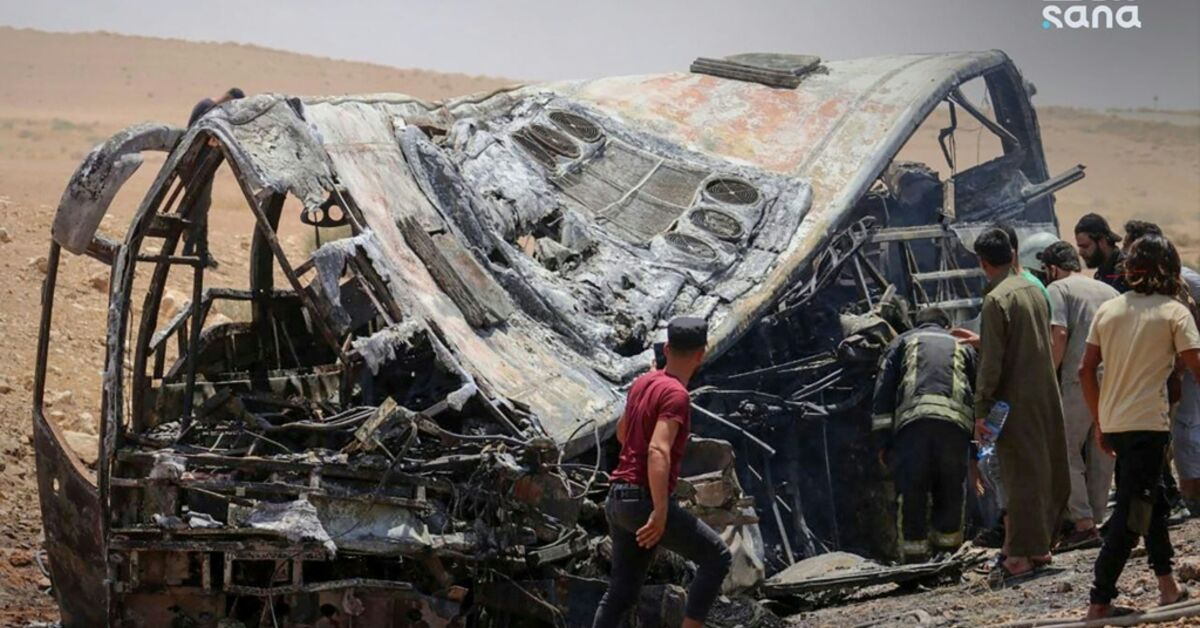
Iran war spreads to Red Sea and Caspian, Gulf quiet as US forgoes strikes
Iran's war with the US has spread to the Red Sea and Caspian, with Yemen's Iran-aligned Houthis attacking Saudi oil installations and Iran accusing Ukraine of targeting an Iranian vessel. The US has paused its strikes, but the conflict remains volatile.
Intelligence analysis by Llama
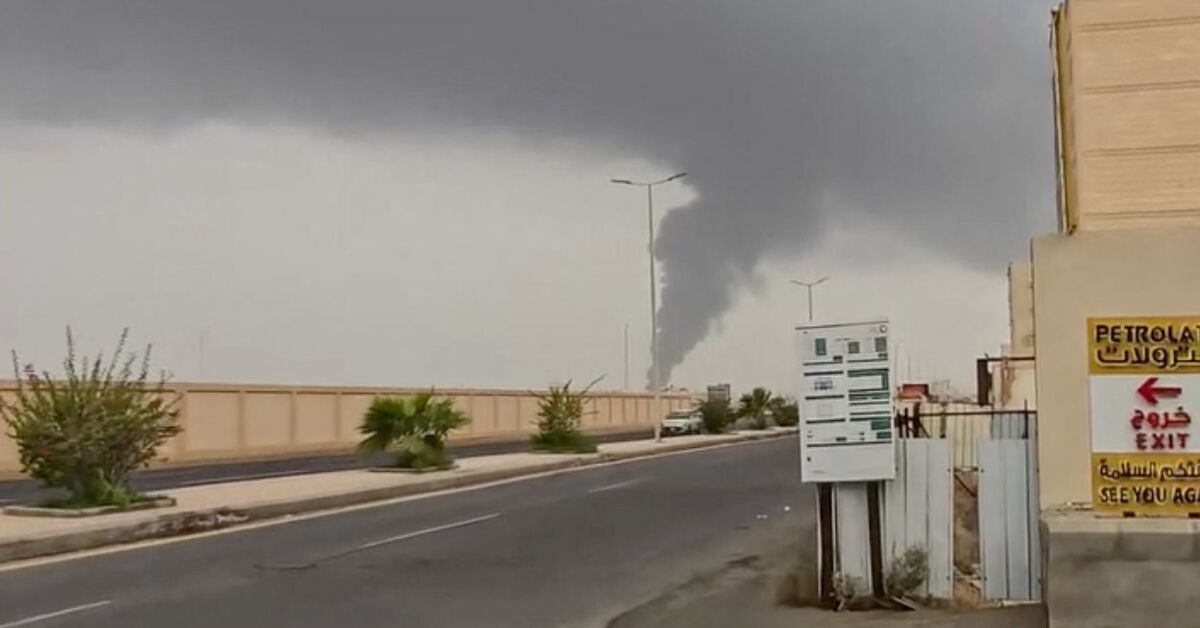
The Iran war has spread to the Red Sea and Caspian, with the Houthis attacking Saudi oil installations and Iran accusing Ukraine of targeting an Iranian vessel. The US has paused its strikes, but the conflict remains volatile.
Imagine a big fight between Iran and the US. The fight has spread to the Red Sea and Caspian, which are important places for shipping oil. The conflict is making it harder to get oil to other countries, and it's also affecting the people living in the region. The US and Iran are trying to talk things out, but it's not easy.
Analysis
A War with No End in Sight
The Iran war, which has been raging for months, has taken a new turn with the spread of the conflict to the Red Sea and Caspian. The Houthis, who are aligned with Iran, have attacked Saudi oil installations, while Iran has accused Ukraine of targeting an Iranian vessel. The US has paused its strikes, but the conflict remains volatile.
The spread of the war to the Red Sea and Caspian has significant implications for global energy supplies. The Strait of Hormuz, which connects the Persian Gulf to the Gulf of Oman, is a critical shipping route for oil exports. The Houthis' attack on Saudi oil installations has disrupted energy supplies, and the conflict has the potential to affect a second major shipping route.
The conflict also highlights the ongoing tensions between Iran and the US. The US has been conducting airstrikes against Iranian targets, while Iran has been disrupting shipping in the Strait of Hormuz. The pause in US strikes has been seen as a sign of diplomacy, but the conflict remains volatile.
The Yemeni civil war, which has been paused under a ceasefire since 2022, has broken down, with the Houthis effectively joining the wider war their Iranian allies have waged since being attacked by the US and Israel. The Houthis have declared a naval blockade of Saudi Arabia, and Houthi leader Abdul Malik al-Houthi has said all Saudi oil facilities could be targets.
The US and Iran are in talks to negotiate an end to their conflict, but Tehran is not yet ready for a deal. The conflict remains a major challenge for regional stability and global energy supplies.
Key points
- The Iran war has spread to the Red Sea and Caspian.
- The Houthis have attacked Saudi oil installations.
- Iran has accused Ukraine of targeting an Iranian vessel.
- The US has paused its strikes, but the conflict remains volatile.
- The conflict has significant implications for global energy supplies and regional stability.
If the US and Iran can come to a deal, the conflict could be resolved peacefully. This would allow for the resumption of oil exports and the stabilization of the region.
If the conflict continues, it could lead to a wider war in the region, affecting not just Iran and the US but also other countries. This would have significant implications for global energy supplies and regional stability.