Iran warns Mideast truce 'practically meaningless' after US strikes
Iran said US strikes made the shaky ceasefire nearly meaningless as fresh attacks spread across the region and mediation continued.
Intelligence analysis by GPT-5.4 Mini
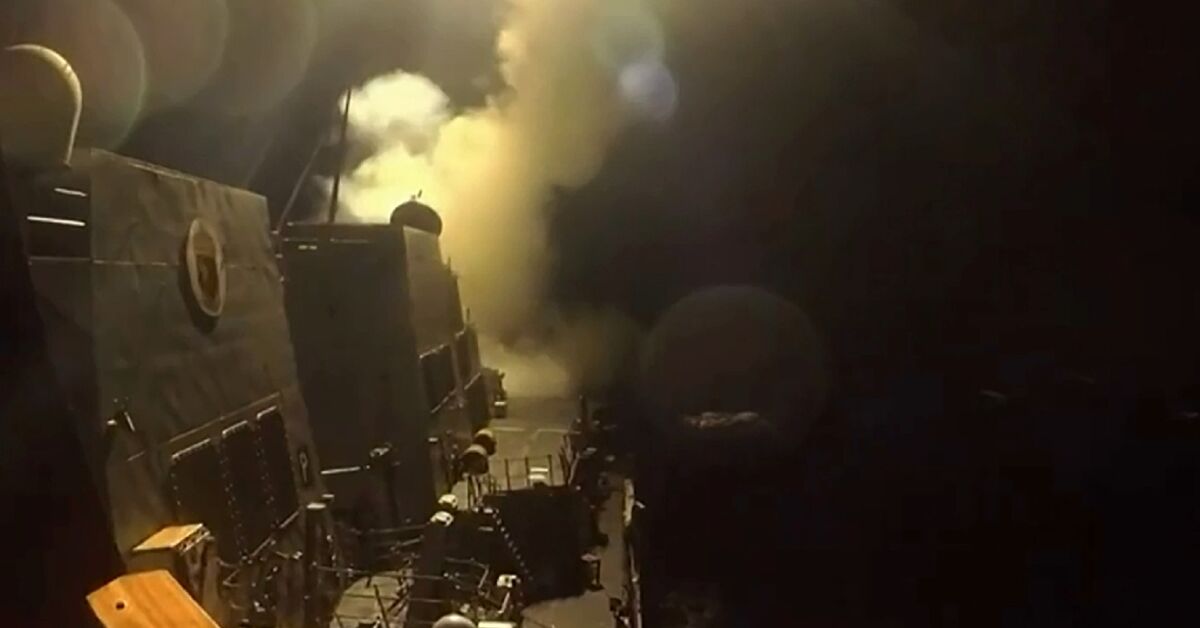
US strikes and Iranian retaliation pushed the Middle East truce closer to collapse, even as Qatar and Pakistan kept diplomatic backchannels open. The fighting raised fresh alarms over the Strait of Hormuz and widened spillover risks for nearby states.
It is like two neighbors agreeing to stop throwing rocks, then both start throwing again while adults try to talk them down. The problem is that the road they share for ships is also getting dangerous, so everyone nearby worries the trouble will spread.
Analysis
Escalation overtakes the truce
Iran said the ceasefire in the three-month Middle East war had become "practically meaningless" after fresh US strikes. According to the article, Washington hit surveillance, communications, and air defense sites, while Iran’s Revolutionary Guards announced a retaliatory operation and regional states reported incoming fire.
Diplomacy is still alive, but strained
Even with the renewed fighting, mediators Pakistan and Qatar said backchannel efforts were continuing. A diplomatic source said the Qatari talks in Tehran were coordinated with the United States, and Pakistan said it had not lost hope, though its spokesman said it was hard to be optimistic after the latest violence.
Saudi Arabia also called for more talks under Pakistani and Qatari mediation, and China urged the parties to stop military operations and pursue a lasting ceasefire. That gives the diplomacy a narrow opening, but the article shows how fragile it is.
Hormuz adds a wider risk
The article also highlights Iran’s renewed threats around the Strait of Hormuz, a key route for oil and gas shipments. Iranian officials warned shipping could be targeted, while CENTCOM said commercial traffic was still moving through the waterway.
The fighting has already had regional effects: Jordan said it intercepted Iranian missiles, Bahrain reported damage and injuries, and India protested after an attack that killed three sailors. The piece presents a conflict that is still being negotiated, but with each new strike making a settlement harder.
Key points
- Iran said the latest US strikes made the ceasefire practically meaningless.
- US and Iranian attacks continued for a second straight day across multiple fronts.
- Qatar and Pakistan kept mediation efforts going despite the renewed fighting.
- Iran renewed threats around the Strait of Hormuz, raising shipping concerns.
- Regional states reported damage, interceptions, or casualties from the spillover.
The article says diplomatic channels are still open, with Qatar and Pakistan continuing talks and Saudi Arabia and China calling for more negotiations. If those efforts hold, the ceasefire could be repaired and the war could move toward a lasting settlement.
The fresh US and Iranian strikes could keep breaking the truce and make more regional retaliation likely. If threats around the Strait of Hormuz deepen, the conflict could endanger shipping, increase casualties, and pull more neighboring states into the fallout.