Iran warns vessels violating Hormuz transit rules of fines, detention
Iran has issued a warning that vessels violating its arrangements for transiting the Strait of Hormuz could face restrictions, including fines, detention, or confiscation.
Intelligence analysis by Llama
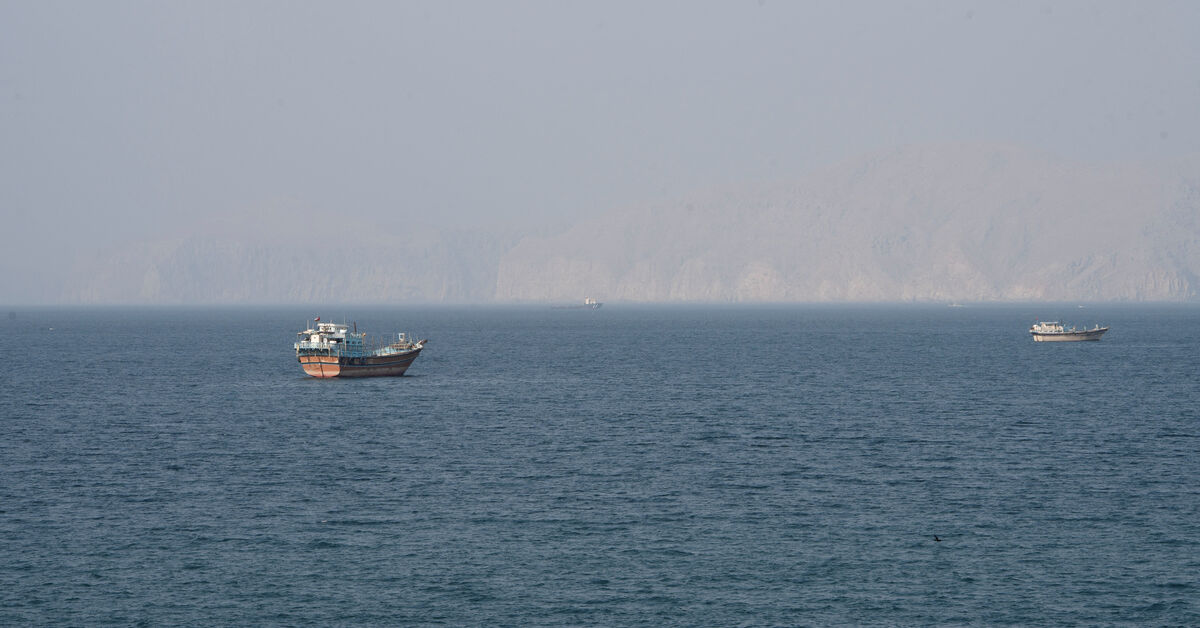
Iran has warned vessels violating its transit rules for the Strait of Hormuz that they could face fines, detention, or confiscation. The warning heightens risks for charterers and shipowners whose vessels transit through the Strait of Hormuz, a key waterway for the world's energy shipments.
Iran is warning ships that don't follow its rules for going through a special waterway called the Strait of Hormuz. If they don't follow the rules, they might get fined or even have their ship taken away.
Analysis
Background
Iran has established the Persian Gulf Strait Authority (PGSA) to manage the Strait of Hormuz, a key waterway for the world's energy shipments. The PGSA has issued a warning that vessels violating its arrangements for transiting the strait could face restrictions, including fines, detention, or confiscation.
What Changed
The warning heightens risks for charterers and shipowners whose vessels transit through the Strait of Hormuz. Vessels engaging in operations including ship-to-ship transfers or transshipment with non-compliant vessels will also be added to the restricted list. Ships seeking the removal of their names from the non-compliant vessels' list must submit a request with relevant explanations to Iran's maritime authorities.
Implications
The warning has significant implications for the global energy market. The Strait of Hormuz is a critical waterway for oil shipments, and any disruptions to the flow of oil could have far-reaching consequences. The warning also highlights the risks of non-compliance with Iran's transit rules, which could lead to fines, detention, or confiscation of vessels.
Key points
- Iran has warned vessels violating its transit rules for the Strait of Hormuz that they could face fines, detention, or confiscation.
- The warning heightens risks for charterers and shipowners whose vessels transit through the Strait of Hormuz.
- Vessels engaging in operations including ship-to-ship transfers or transshipment with non-compliant vessels will also be added to the restricted list.
- Ships seeking the removal of their names from the non-compliant vessels' list must submit a request with relevant explanations to Iran's maritime authorities.
If Iran's warning is effective, it could lead to a reduction in the number of vessels violating its transit rules, which could help to prevent disruptions to the global energy market.
If Iran's warning is not effective, it could lead to an increase in the number of vessels violating its transit rules, which could result in fines, detention, or confiscation of vessels.