Iran will halt attacks as long as US maintains pause, Iranian source says after Trump calls off strikes
Iran will halt its attacks as long as the US maintains its latest pause on air strikes, a senior Iranian official told Reuters on Sunday. The US ambassador to the United Nations, Mike Waltz, told Fox News on Sunday that Trump had decided to pause US attacks to allow more …
Intelligence analysis by Llama
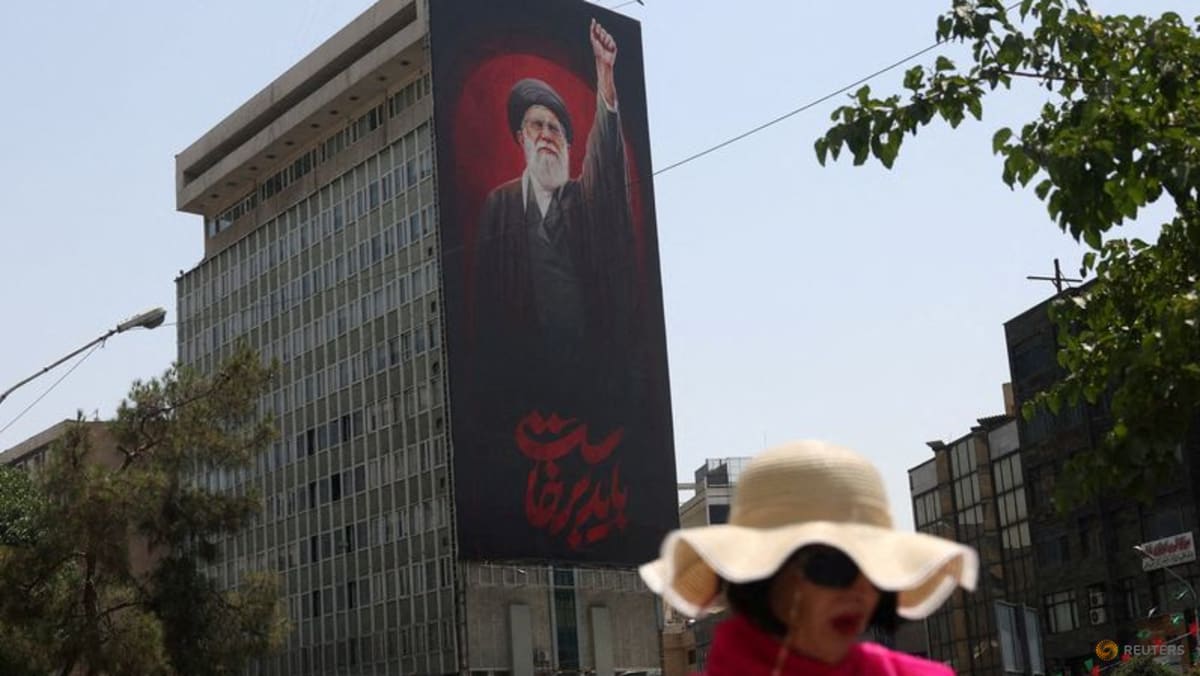
Iran will halt its attacks if the US maintains its pause on air strikes, a senior Iranian official said. The US had been striking Iran nightly in what Washington said was retaliation for Iranian attacks on shipping in the Strait of Hormuz.
Imagine you're playing a game of tag with your friends. You're all running around, trying to catch each other. But then, one of the friends says, 'Hey, let's take a break and talk about this.' That's kind of what's happening between the US and Iran right now. The US has been attacking Iran, and Iran has been attacking back. But now, the US has said, 'Okay, let's stop for a bit and see if we can talk this out.' It's a big deal, and it could change the whole game.
Analysis
A Pause in the Storm
The US and Iran have been locked in a cycle of retaliation and counter-retaliation for weeks, with each side testing the boundaries of escalation. But on Friday, President Donald Trump abruptly called off his two-week-old bombing campaign, suspending the campaign and giving diplomacy a chance to breathe. The move has sent shockwaves through the region, with Iran's senior officials scrambling to understand the implications of the pause.
According to a senior Iranian official, Tehran's position remains 'attack for attack': if the attacks stop, Iran will also halt its operations. However, the official added that Iran is prepared to mount a broad response should the US launch another attack.
The US ambassador to the United Nations, Mike Waltz, told Fox News on Sunday that Trump had decided to pause US attacks to allow more time for diplomacy. Waltz said that Trump 'has always been clear that his preference is diplomacy, but he has shown Iran what will happen if they fail to come to the table in a serious way.'
But despite the pause, there is more scepticism than optimism about the halt in attacks. The prevailing view is that the pause is tactical rather than genuine, and that Iran has accumulated enough bitter experience with what it sees as US deception.
The two-week-long US military campaign effectively torpedoed last month's interim agreement aimed at ending the war that the United States and Israel launched in February. The New York Times and CNN both reported that Trump had backed off plans to escalate the war with even bigger military options after concerns were raised on Friday by some of his advisers, including over whether US missile defence stocks were running low from protecting U.S. bases in the region.
CNN and the Times both identified Pentagon Chief of Staff Dan Caine as having raised such concerns. CNN said Vice President JD Vance also had expressed reservations. News site Axios reported that Trump had been receiving plans for strikes on Iran from the Pentagon every afternoon for two weeks and signing off on them each night, until Friday when the latest plan was presented to him and he decided not to go ahead.
The implications of the pause are far-reaching, and could potentially lead to a de-escalation of tensions between the US and Iran. However, the road ahead is uncertain, and it remains to be seen whether the pause will hold.
Key points
- Iran will halt its attacks if the US maintains its pause on air strikes, a senior Iranian official said.
- The US had been striking Iran nightly in what Washington said was retaliation for Iranian attacks on shipping in the Strait of Hormuz.
- The pause has sent shockwaves through the region, with Iran's senior officials scrambling to understand the implications of the pause.
- The US ambassador to the United Nations, Mike Waltz, told Fox News on Sunday that Trump had decided to pause US attacks to allow more time for diplomacy.
The pause in US attacks could potentially lead to a de-escalation of tensions between the US and Iran, and could pave the way for a negotiated settlement to the conflict.
However, the pause is not a guarantee of peace, and the situation remains volatile. Iran is prepared to mount a broad response should the US launch another attack, and the risk of further escalation remains high.