Iranian airport and bridges hit as US forces board ship amid ports blockade – Middle East crisis live
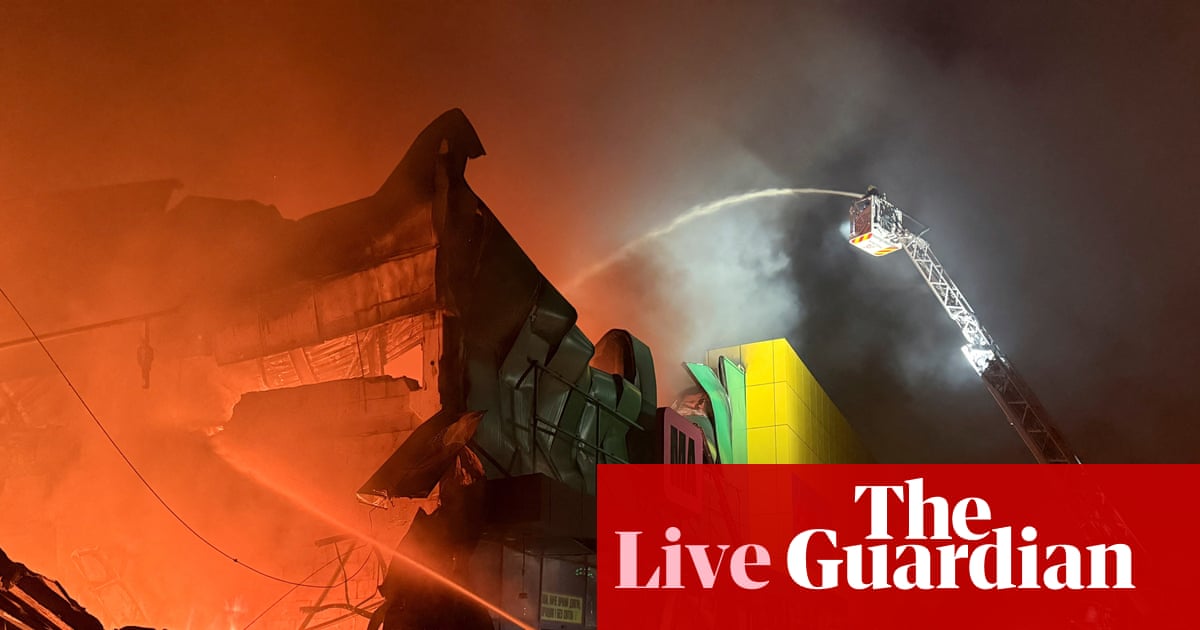
US strikes on Iran overnight hit an airport, a railway station, and two bridges, according to Iranian state media. American forces boarded a ship to enforce a renewed blockade of Iranian ports.
Intelligence analysis by Llama
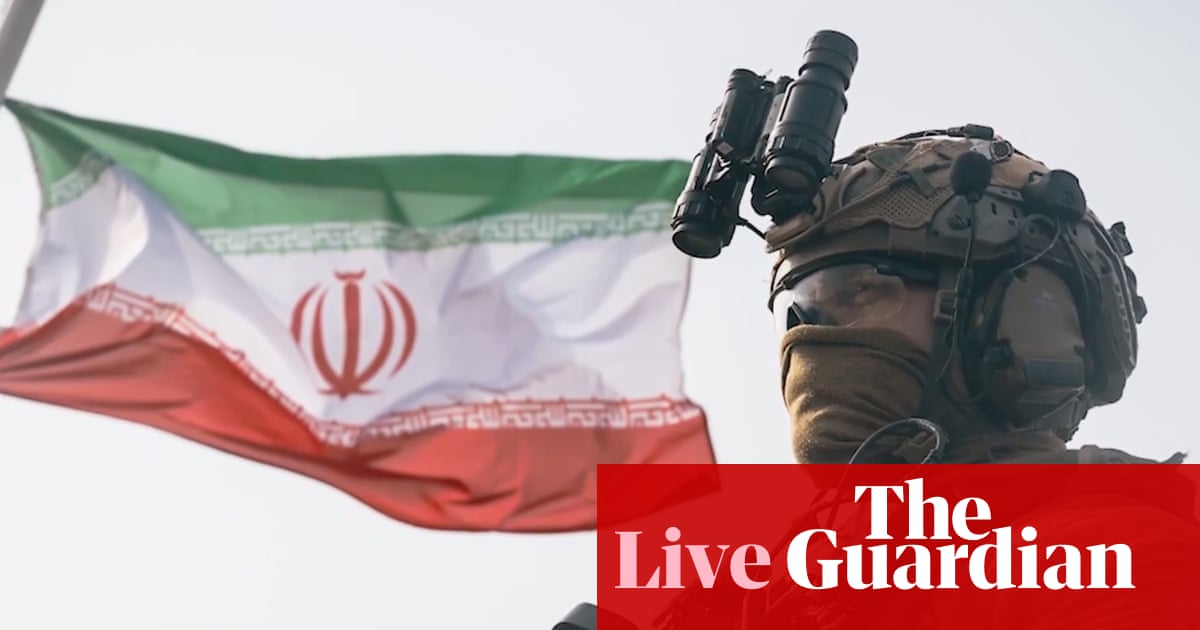
US forces have boarded a ship in the Gulf of Oman to enforce a blockade of Iranian ports, while US strikes on Iran overnight hit an airport, a railway station, and two bridges. The attacks come as the US and Iran exchange intensifying fire in a week-long escalation that has largely unravelled last month's truce.
Imagine a big game of chess between the US and Iran. The US has just made a big move, attacking an airport and a railway station in Iran. Iran is now fighting back, trying to hurt the US. This is a very serious situation that could affect the whole world, especially when it comes to oil prices.
Analysis
A Week of Escalation: US-Iran Tensions Reach a Boiling Point
The past week has seen a significant escalation of tensions between the US and Iran, with both sides trading blows in a week-long conflict that has largely unravelled last month's truce. The latest developments have seen US forces board a ship in the Gulf of Oman to enforce a renewed blockade of Iranian ports, while US strikes on Iran overnight have hit an airport, a railway station, and two bridges.
The attacks come as the US and Iran exchange intensifying fire, with the US military's Central Command (Centcom) saying it has hit dozens of Iranian targets in the latest strikes. Iran has accused the US of launching a 'barbaric attack' near a children's cancer hospital in Ahvaz, causing a forced evacuation of the facility.
The conflict has already had significant implications for global oil markets, with oil prices spiking to near their highest in a month amid the tensions over the strait of Hormuz. Brent crude briefly climbed above $86 a barrel on Thursday US time before falling back to $84.08, down 1% from the previous day.
The situation is further complicated by the involvement of other regional players, including Saudi Arabia and the United Arab Emirates. Yemen's Houthi leader Abdul Malik al-Houthi has warned that all Saudi oil and other vital facilities would be targets for the group's missiles and drones if Riyadh involves itself in what he described as 'comprehensive aggression' against Yemen and moves towards escalation.
As the situation continues to unfold, it remains to be seen how the conflict will play out and what the long-term implications will be for regional stability and global oil markets.
Key points
- US forces have boarded a ship in the Gulf of Oman to enforce a blockade of Iranian ports.
- US strikes on Iran overnight have hit an airport, a railway station, and two bridges.
- The conflict has already led to a spike in oil prices and has raised concerns about the potential for further escalation.
- Iran has accused the US of launching a 'barbaric attack' near a children's cancer hospital in Ahvaz.
- Yemen's Houthi leader Abdul Malik al-Houthi has warned that all Saudi oil and other vital facilities would be targets for the group's missiles and drones if Riyadh involves itself in what he described as 'comprehensive aggression' against Yemen and moves towards escalation.
If the US and Iran can find a way to de-escalate the situation, there is a possibility that the conflict could be resolved peacefully. This would be a positive outcome for both countries and for the global community.
If the conflict continues to escalate, there is a risk of further violence and instability in the region. This could have serious consequences for global oil markets and regional stability.