Iranian Delegation Arrives in Switzerland for Nuclear Talks with US
An Iranian delegation has arrived in Switzerland for talks with the US on Iran's nuclear program and related sanctions. The US military has denied claims that Iran has closed the Strait of Hormuz.
Intelligence analysis by Llama 3.3 70B
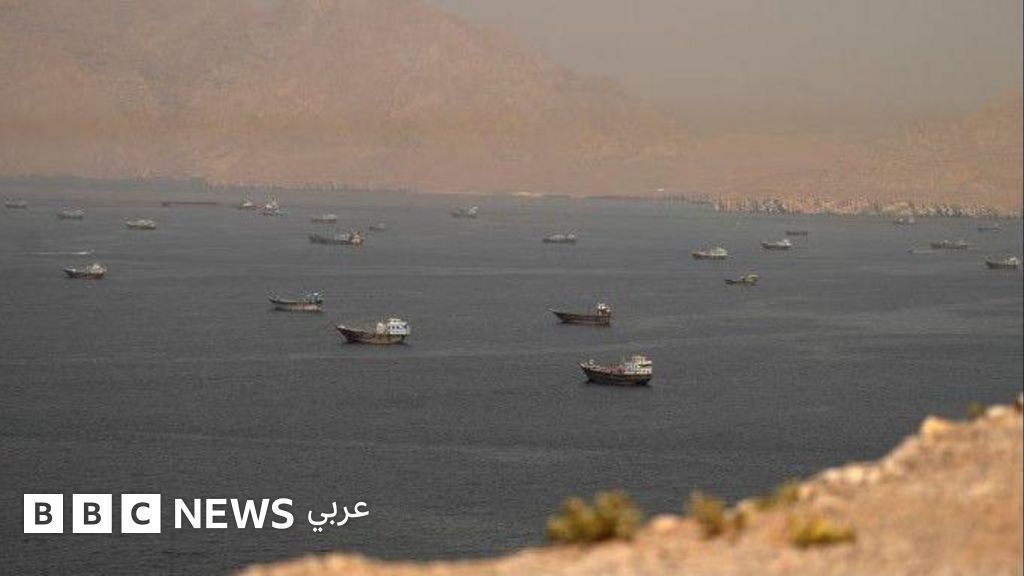
The talks are part of an agreement between Iran and the US to end the war in the Middle East. The US military has denied claims that Iran has closed the Strait of Hormuz, saying it remains open.
Imagine you're on a boat, and you need to get through a narrow waterway to get to the other side. That's kind of like what's happening with the Strait of Hormuz, which is a really important waterway for oil and trade. Iran and the US are talking about how to make sure the waterway stays open, and that's a big deal for the whole world.
Analysis
The Road to Negotiations
The Iranian delegation's arrival in Switzerland marks a significant step towards negotiations with the US. The talks are part of an agreement between Iran and the US to end the war in the Middle East, which has been ongoing for several years. The US military has denied claims that Iran has closed the Strait of Hormuz, saying it remains open.
The Strait of Hormuz is a critical waterway for global trade, with a significant portion of the world's oil passing through it. Any disruption to the strait could have significant implications for global oil prices and trade. The US military's denial of Iran's claims suggests that the strait remains open, but the situation remains volatile.
The Implications of the Talks
The talks between Iran and the US have significant implications for the future of the Middle East. A successful agreement could lead to a reduction in tensions between the two countries and potentially even a normalization of relations. However, the talks are also fraught with challenges, including the issue of Iran's nuclear program and the related sanctions.
The US has imposed significant sanctions on Iran in recent years, which have had a major impact on the country's economy. The sanctions have been a major point of contention between the two countries, with Iran demanding that they be lifted as part of any agreement. The US, on the other hand, has insisted that the sanctions will remain in place until Iran agrees to significant concessions on its nuclear program.
The Role of Other Countries
The talks between Iran and the US are not taking place in isolation. Other countries, including Pakistan and Qatar, are playing a significant role in facilitating the negotiations. Pakistan, in particular, has been instrumental in helping to broker the agreement between Iran and the US, with its foreign minister playing a key role in the negotiations.
The involvement of other countries highlights the complexity of the issue and the need for a multilateral approach to resolving the conflict. The US and Iran are not the only countries with a stake in the outcome of the talks, and the involvement of other countries can help to facilitate a more comprehensive and sustainable agreement.
Key points
- Iranian delegation arrives in Switzerland for talks with US
- US military denies claims that Iran has closed the Strait of Hormuz
- Talks are part of an agreement between Iran and the US to end the war in the Middle East
If the talks between Iran and the US are successful, it could lead to a significant reduction in tensions between the two countries and potentially even a normalization of relations. This could have a positive impact on the global economy and help to reduce the risk of conflict in the Middle East.
However, the talks are also fraught with challenges, and there is a risk that they could break down. If the talks fail, it could lead to an escalation of tensions between Iran and the US, which could have significant implications for the global economy and regional security.