Iranian Musician Hamid Reza E'tehad Remembered Through His Music
Iranian musician Hamid Reza E'tehad, a prominent figure in the second generation of Iranian pop music, passed away on August 8, 2023. To commemorate his life and work, a memorial concert was held at the House of Artists in Sari, Iran, featuring his daughter Azadeh E'tehad…
Intelligence analysis by Llama
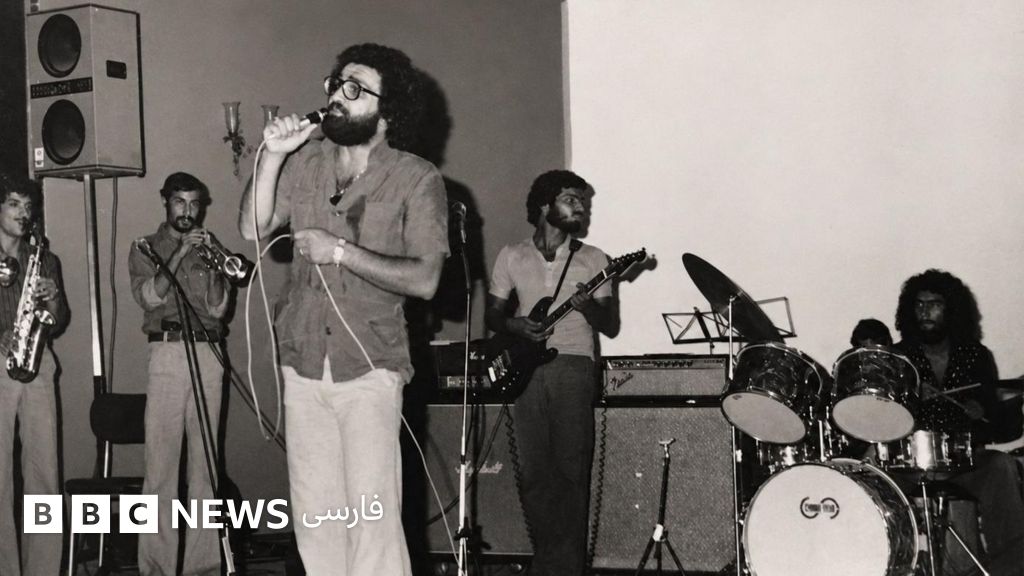
The memorial concert for Hamid Reza E'tehad, a renowned Iranian musician, was held at the House of Artists in Sari, Iran. His daughter Azadeh E'tehad, who is also a musician, performed one of his last songs, 'Bade Nab', at the event.
Hamid Reza E'tehad was an Iranian musician who was known for his unique blend of traditional Iranian music and Western pop. He was a prominent figure in the second generation of Iranian pop music and was arrested and imprisoned after the Iranian Revolution. Despite this, he continued to write music and released an album called 'Az Khak va Az Tufan' (From Dust and Storm). His daughter Azadeh E'tehad is also a musician and performed one of his last songs, 'Bade Nab', at a memorial concert for him.
Analysis
A Legacy of Music and Culture
Hamid Reza E'tehad was born on August 8, 1934, in Sari, Iran. He came from a well-known family in the city and was drawn to music from a young age. He joined a group of young musicians in Sari, known as the 'Paply' group, which was one of the most popular music groups in the region. The group's music was a unique blend of traditional Iranian music and Western pop, and they became known for their energetic live performances.
A Life of Music and Politics
After the Iranian Revolution, E'tehad's music career was put on hold. He was arrested and spent time in prison, where he was subjected to physical and psychological torture. Despite this, he continued to write music and eventually released an album called 'Az Khak va Az Tufan' (From Dust and Storm). The album was a critical and commercial success, and it cemented E'tehad's status as one of the leading musicians in Iran.
A Daughter's Tribute
Azadeh E'tehad, Hamid Reza E'tehad's daughter, is also a musician. She has followed in her father's footsteps and has released her own music. At the memorial concert for her father, she performed one of his last songs, 'Bade Nab', which was a poignant tribute to her father's legacy. The song was a beautiful blend of traditional Iranian music and Western pop, and it showcased Azadeh's talent as a musician.
A Legacy That Continues to Inspire
Hamid Reza E'tehad's legacy continues to inspire new generations of musicians. His music and life story are a testament to the power of art to transcend time and borders. He will be remembered as one of the most important figures in Iranian pop music, and his music will continue to be enjoyed by audiences around the world.
Key points
- Hamid Reza E'tehad was a prominent figure in the second generation of Iranian pop music.
- He was arrested and imprisoned after the Iranian Revolution, but continued to write music.
- His daughter Azadeh E'tehad is also a musician and performed one of his last songs at a memorial concert for him.
- E'tehad's legacy continues to inspire new generations of musicians.
- His music and life story are a testament to the power of art to transcend time and borders.
The legacy of Hamid Reza E'tehad will continue to inspire new generations of musicians, and his music will remain a testament to the power of art to transcend time and borders.
The Iranian government's restrictions on artistic expression may limit the ability of new musicians to follow in E'tehad's footsteps, and the country's cultural heritage may be lost due to a lack of support for traditional music.


