Iranian parliament approves bill to curb foreign influence
Iran's parliament has approved the general principles of a bill criminalizing interviews with media deemed hostile to the Islamic Republic, including U.S. or Israeli outlets.
Intelligence analysis by Qwen 2.5 (3B)
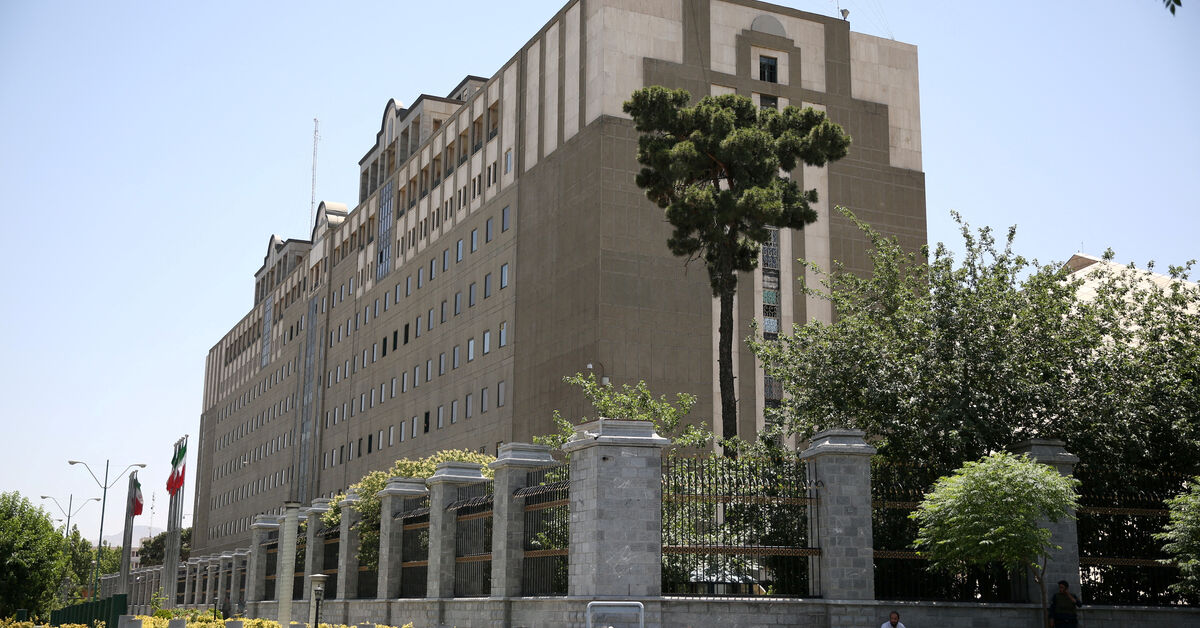
Iranian lawmakers have passed a bill aimed at curbing foreign influence by criminalizing communications with media considered hostile to Iran.
Iran is making it illegal for people in the country to talk to reporters from other countries like America or Israel, unless they get special permission first.
Analysis
{"#Individual Provisions":"The individual provisions of the bill have yet to be debated and approved. The proposed legislation includes penalties for violations such as six months to two years in prison for interviews or discussions with hostile media, a fine and deprivation of certain social rights for contact with foreign entities without notification.","#Foreign Media Interaction":"Under the bill, interviews or participation in discussions with U.S., Israeli, or other hostile media would be banned. Notifications are required for interviews with other foreign media, and contact with foreign embassies, offices, or institutions requires written permission from the foreign ministry.","#Economic Crimes and Scientific Cooperation":"The bill also imposes harsher penalties on economic crimes directed by foreigners, bans information sharing without intelligence ministry approval, and restricts scientific cooperation outside an approved list. It criminalizes policy proposals made under foreign direction that harm Iran's security or independence with prison terms up to 30 years."}
Key points
- Iranian parliament approves bill to curb foreign influence
- Bill criminalizes interviews with hostile media from the U.S. and Israel
- Includes penalties for economic crimes directed by foreigners
- Restricts scientific cooperation outside an approved list
This bill could help protect Iran's national security by preventing foreign spies from gathering information within the country.
However, it might also limit freedom of speech and make it harder for international organizations to work with Iranian counterparts in areas like aid or development.