Iranian Politician Mohammad Bagher Ghalibaf Warns of Regional Energy Export Risks
Iranian politician Mohammad Bagher Ghalibaf has warned that regional energy exports and critical infrastructure may no longer remain secure if Iran is prevented from selling its oil on international markets.
Intelligence analysis by Llama
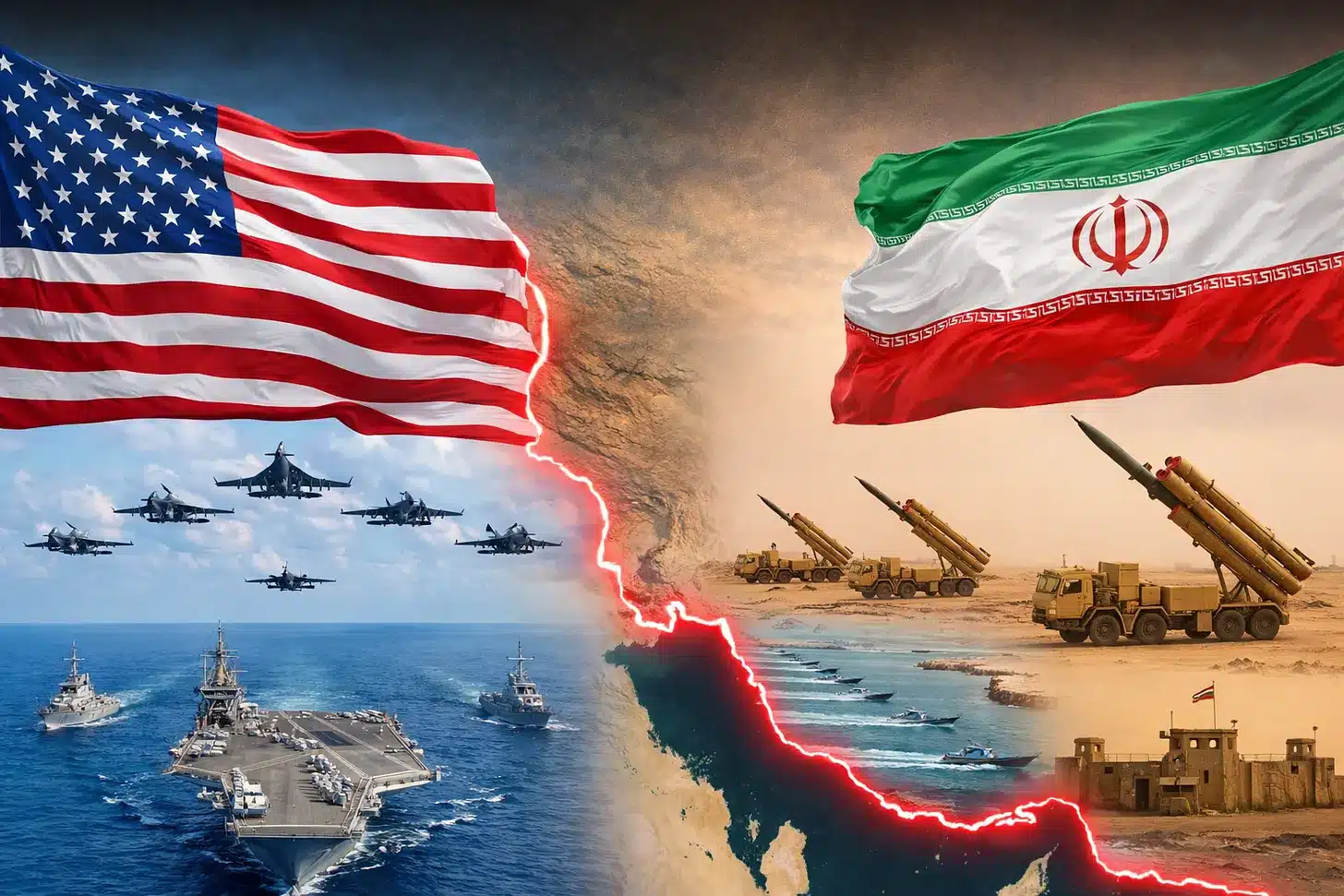
Iranian politician Mohammad Bagher Ghalibaf has warned that regional energy exports and critical infrastructure may no longer remain secure if Iran is prevented from selling its oil on international markets. He stated that Iran's security is closely tied to the overall stability of the region, arguing that continued pressure on Tehran could have wider consequences for energy trade and…
Imagine a big waterway that lots of oil ships go through. If Iran can't sell its oil, it might not be able to keep this waterway safe. This could make it hard for other countries to get the oil they need, and that could make oil prices go up.
Analysis
A Warning from Tehran
Iranian politician Mohammad Bagher Ghalibaf has issued a stark warning about the potential consequences of Iran being prevented from selling its oil on international markets. He stated that regional energy exports and critical infrastructure may no longer remain secure if Iran is unable to sell its oil. This warning comes at a time of heightened tensions involving Iran, the United States, and maritime activities in the Gulf.
The Strait of Hormuz: A Critical Energy Corridor
The Strait of Hormuz is one of the world's most important energy corridors, through which a significant share of global oil shipments passes. Any disruption to shipping through the Strait of Hormuz could have far-reaching implications for international energy markets, oil prices, and global supply chains. Ghalibaf's remarks have renewed concerns over the security of this critical energy corridor.
Implications for Global Energy Markets
The potential disruption to oil shipments through the Strait of Hormuz could have significant implications for global energy markets. Oil prices could rise sharply, and global supply chains could be severely impacted. This could have far-reaching consequences for economies around the world, particularly those that rely heavily on imported oil.
Key points
- Iranian politician Mohammad Bagher Ghalibaf has warned that regional energy exports and critical infrastructure may no longer remain secure if Iran is prevented from selling its oil on international markets.
- The Strait of Hormuz is one of the world's most important energy corridors, through which a significant share of global oil shipments passes.
- Any disruption to shipping through the Strait of Hormuz could have far-reaching implications for international energy markets, oil prices, and global supply chains.
If Iran is able to sell its oil on international markets, it could help to reduce tensions in the region and improve the security of the Strait of Hormuz. This could have positive implications for global energy markets and help to prevent a sharp increase in oil prices.
If Iran is prevented from selling its oil, it could lead to a significant increase in oil prices and disrupt global supply chains. This could have far-reaching consequences for economies around the world, particularly those that rely heavily on imported oil.