Iran’s ambassador to South Korea, TCCIMA examine solutions to revive Tehran-Seoul trade ties
Iran's new ambassador to South Korea met with the Tehran Chamber of Commerce to discuss strategies for reviving trade, technological, and cultural exchanges between the two nations, which have significantly declined since 2011.
Intelligence analysis by Gemini 2.5 Flash
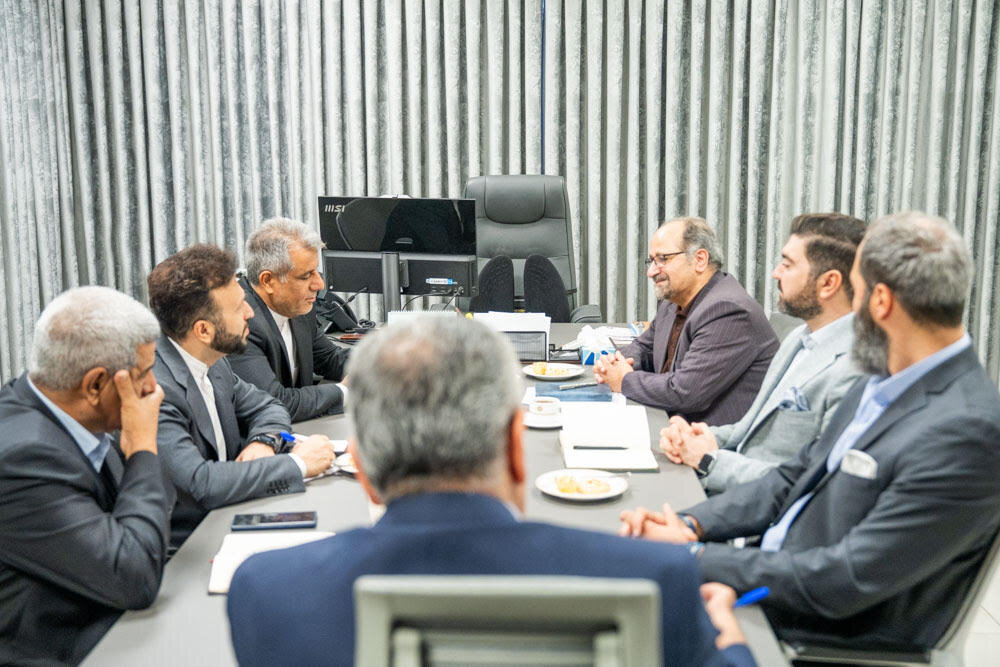
The meeting between Ambassador Ahmad Erfanian and Tehran Chamber Secretary-General Fereydoun Vardinejad focused on identifying mutual capabilities and proposing concrete solutions like B2B meetings, information exchange, and trade delegations to rebuild economic ties that once reached $17 billion annually.
Imagine two friends, Iran and South Korea, used to play a lot together and share their toys, but then they stopped for a while. Now, a new friend from Iran is going to South Korea to talk about how they can start playing and sharing again, especially with cool things like cars and computers, so they can both be happier and stronger.
Analysis
A Historical Decline and the Drive for Revival
Iran and South Korea once shared a robust economic relationship, with bilateral trade soaring to over $17 billion in 2011, making South Korea Iran's fourth-largest trading partner. However, in recent years, this figure has seen a substantial decline, largely attributed to international political restrictions and sanctions impacting Iran's ability to conduct global commerce. The recent meeting between Iran's new ambassador to South Korea, Ahmad Erfanian, and the Tehran Chamber of Commerce, Industries, Mines and Agriculture (TCCIMA) signals a concerted effort to reverse this trend and reactivate a historically significant trade corridor. The discussions underscored the urgent need to bridge the information gap and foster mutual understanding of each country's economic potentials and capabilities.
Proposed Mechanisms for Re-engagement
The meeting outlined several practical strategies aimed at facilitating the revival of trade ties. Key proposals included the regular organization of Business-to-Business (B2B) meetings and specialized webinars, which would allow traders and businessmen from both sides to directly connect and explore opportunities. Furthermore, the exchange of economic and technological information, along with reciprocal visits by trade delegations and enhanced communication with South Korean chambers of commerce, were emphasized as vital steps. The Tehran Chamber also highlighted diverse sectors for potential cooperation, such as automotive, home appliances, information technology, digital economy, medicine, medical equipment, and pharmaceuticals, indicating a broad scope for renewed collaboration beyond traditional oil exports.
Strategic Importance Amidst Political Headwinds
Despite the acknowledged political restrictions, the Iranian ambassador stressed the importance of continuing communication between Iranian and Korean traders. This proactive approach suggests Iran's determination to navigate geopolitical challenges by fostering economic resilience and seeking alternative avenues for trade development. The formulation of scenarios for trade expansion under varying conditions, coupled with the suggestion to utilize Korean companies for post-war reconstruction, points to a long-term strategic vision. Creating a comprehensive database of trade laws, regulations, and investment opportunities in South Korea, alongside identifying reputable legal institutions for consultation, further illustrates a methodical approach to rebuilding trust and facilitating smoother commercial interactions, ultimately aiming to diversify Iran's economic partnerships and reduce reliance on specific markets.
Key points
- Iran's new ambassador to South Korea, Ahmad Erfanian, met with the Tehran Chamber of Commerce to discuss reviving bilateral trade.
- Bilateral trade between Iran and South Korea reached over $17 billion in 2011 but has significantly declined since.
- Proposed solutions include regular B2B meetings, specialized webinars, exchange of economic information, and trade delegations.
- Key sectors for cooperation identified are automotive, home appliances, IT, digital economy, medicine, and pharmaceuticals.
- The initiative aims to strengthen economic resilience and diversify trade despite existing political restrictions.
If the proposed solutions, such as B2B meetings and information exchange, are effectively implemented, Iran could significantly revive its trade with South Korea, leading to economic diversification and access to advanced technologies. This renewed engagement could open up substantial opportunities for Iranian businesses in various sectors, contributing to economic growth and stability.
Despite the diplomatic efforts, persistent political restrictions and sanctions could continue to hinder the full revival of trade relations, making it difficult for Iranian and South Korean companies to establish long-term commercial ties. The ambitious trade targets might remain elusive if fundamental geopolitical obstacles are not adequately addressed, limiting the practical impact of these discussions.


