Iran's 'Axis of Resistance' is a network, not a Tehran-controlled arm
Iran's 'Axis of Resistance' is a network of groups, not a Tehran-controlled arm. The network is not a single chain of command, but a complex web of relationships between groups with varying levels of independence and autonomy.
Intelligence analysis by Llama
Iran's 'Axis of Resistance' is a network of groups, not a Tehran-controlled arm. The network is complex, with groups having varying levels of independence and autonomy. Iran's support for these groups is not always direct, and the relationship between Iran and its allies is not always straightforward.
Imagine a big team of friends who all want to work together to achieve a common goal. They all have different ideas and ways of doing things, but they all share a common enemy. Iran is like the team leader, providing support and resources to its friends, but also giving them the freedom to make their own decisions. The team is complex and dynamic, with different members having different levels of independence and autonomy. Iran's role in the team is to provide support and guidance, but also to allow its friends to make their own decisions and take their own actions.
Analysis
A Complex Network, Not a Simple Chain of Command
The 'Axis of Resistance' is often portrayed as a simple chain of command, with Tehran at the top and its allies below. However, this portrayal oversimplifies the complex relationships between the groups involved. In reality, the network is a complex web of relationships, with groups having varying levels of independence and autonomy.
Iran's support for these groups is not always direct, and the relationship between Iran and its allies is not always straightforward. For example, the relationship between Iran and Hamas is complex, with both sides having their own interests and agendas. Iran provides financial and military support to Hamas, but Hamas also has its own decision-making process and can take actions that are not necessarily in line with Iran's interests.
The network is also dynamic, with groups constantly evolving and adapting to changing circumstances. For example, the rise of the Houthis in Yemen has created a new dynamic in the region, with Iran providing support to the group while also seeking to maintain its influence over other groups in the region.
The Role of Iran in the Network
Iran plays a key role in the 'Axis of Resistance' network, providing financial, military, and political support to its allies. However, Iran's influence over the network is not always direct, and the group's actions are not always in line with Iran's interests. For example, the Houthis in Yemen have taken actions that have been critical of Iran, despite receiving support from the country.
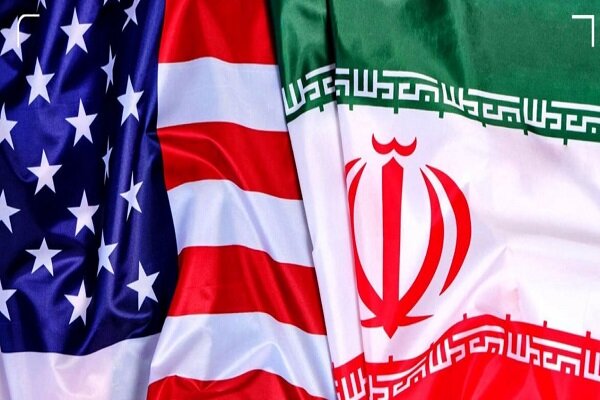
Iran's support for the network is driven by its regional strategy, which seeks to counter the influence of the United States and Israel in the Middle East. The network is a key component of this strategy, providing Iran with a means of exerting influence over the region while also maintaining its independence and autonomy.
The Future of the Network
The future of the 'Axis of Resistance' network is uncertain, with several factors contributing to its instability. The rise of the Houthis in Yemen has created a new dynamic in the region, with Iran providing support to the group while also seeking to maintain its influence over other groups in the region. The network is also facing challenges from within, with some groups seeking to distance themselves from Iran and assert their independence.
Despite these challenges, the 'Axis of Resistance' network remains a key component of Iran's regional strategy. The network provides Iran with a means of exerting influence over the region while also maintaining its independence and autonomy. However, the network's future is uncertain, and its dynamics will continue to evolve in response to changing circumstances.
Key points
- The 'Axis of Resistance' is a complex network of groups, not a simple chain of command.
- Iran plays a key role in the network, providing financial, military, and political support to its allies.
- The network is dynamic, with groups constantly evolving and adapting to changing circumstances.
- Iran's support for the network is driven by its regional strategy, which seeks to counter the influence of the United States and Israel in the Middle East.
- The future of the network is uncertain, with several factors contributing to its instability.
If the 'Axis of Resistance' network can maintain its unity and coordination, it could potentially lead to a more stable and secure region. Iran's support for its allies could help to counterbalance the influence of the United States and Israel in the region, and promote a more multipolar distribution of power.
However, the network is also facing significant challenges, including the rise of the Houthis in Yemen and the growing influence of other regional powers. If the network is unable to adapt to these changing circumstances, it could potentially lead to a more unstable and insecure region.