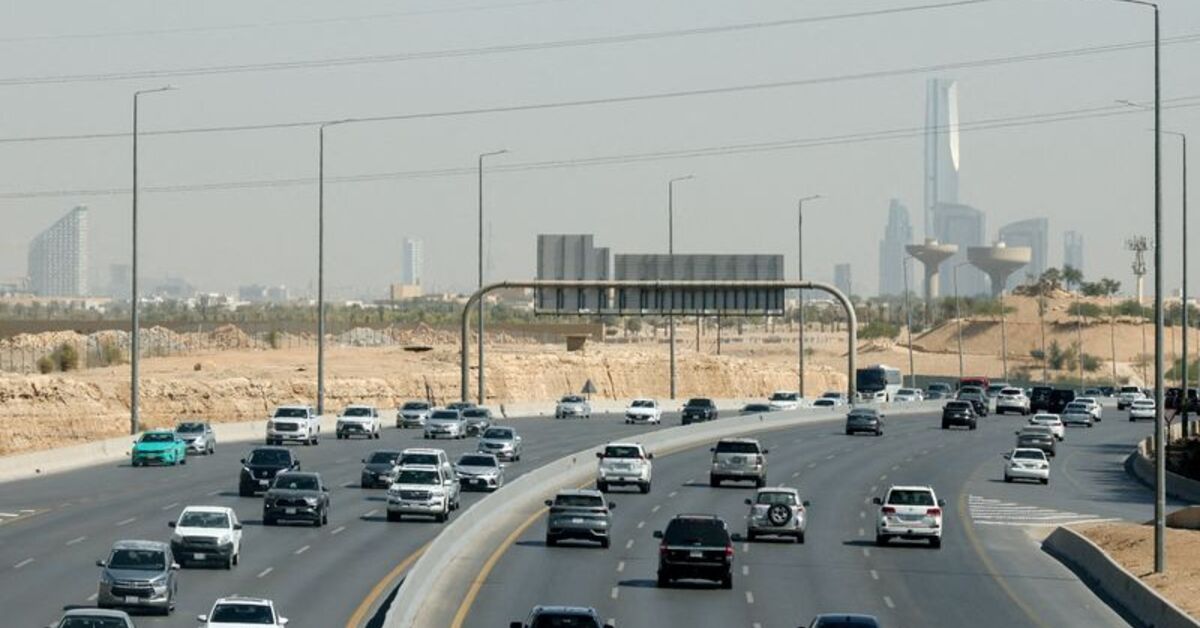
Iran's Future Diplomacy: A Vision for 2026
Iran's Foreign Minister Mohammad Javad Zarif calls for a change in the country's foreign policy to prevent conflicts and achieve regional and economic stability. He proposes a comprehensive diplomacy approach to address the challenges facing the region and to promote Iran…
Intelligence analysis by Llama
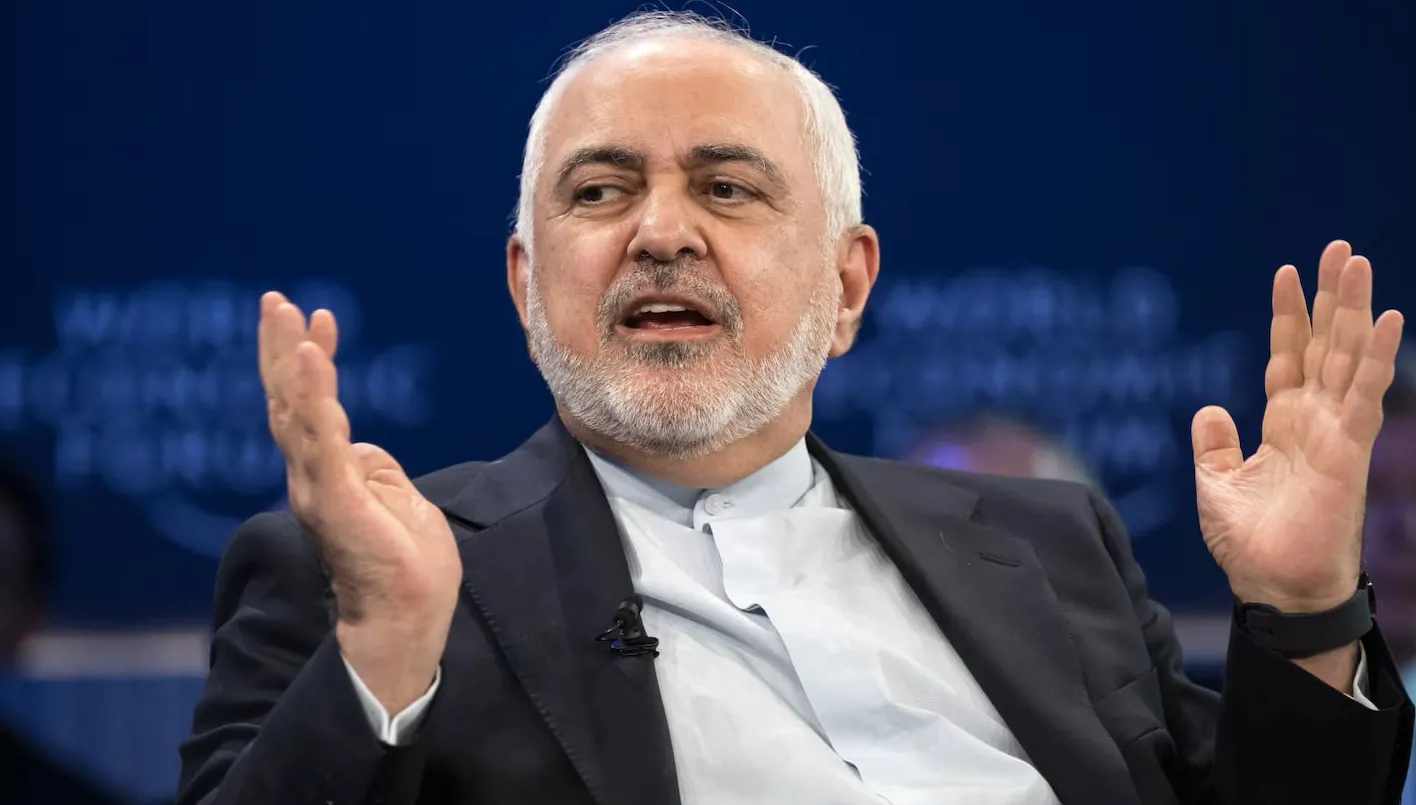
Iran's Foreign Minister Mohammad Javad Zarif calls for a change in the country's foreign policy to prevent conflicts and achieve regional and economic stability. He proposes a comprehensive diplomacy approach to address the challenges facing the region and to promote Iran's interests.
Imagine you're playing a game with your friends, and you all want to work together to win. That's what Iran's Foreign Minister Mohammad Javad Zarif is proposing - a new way of playing the game of diplomacy in the Middle East. Instead of competing with each other, countries can work together to solve problems and achieve common goals. This is a big change from the way things have been done in the past, and it could lead to a more stable and peaceful region.
Analysis
Mideast Diplomacy: A New Era of Cooperation
Iran's Foreign Minister Mohammad Javad Zarif has proposed a new era of diplomacy in the Middle East, one that prioritizes cooperation and stability over conflict and competition. In a recent article, Zarif outlined his vision for a comprehensive diplomacy approach that would address the region's most pressing challenges and promote Iran's interests.
Zarif's proposal is significant because it highlights the need for a change in Iran's foreign policy. For too long, the country has been mired in conflict and competition with its neighbors, with little to show for it. Zarif's vision for a new era of diplomacy offers a fresh approach to these challenges, one that prioritizes cooperation and stability over conflict and competition.
One of the key elements of Zarif's proposal is the establishment of a comprehensive diplomacy approach that would address the region's most pressing challenges. This would involve a range of diplomatic efforts, including negotiations with neighboring countries, the promotion of economic cooperation, and the development of a regional security framework.
Zarif also emphasizes the importance of building trust and confidence with neighboring countries. He argues that this can be achieved through a combination of diplomatic efforts, including the establishment of a regional security framework, the promotion of economic cooperation, and the development of a culture of dialogue and cooperation.
In addition to building trust and confidence with neighboring countries, Zarif also emphasizes the importance of promoting economic cooperation in the region. He argues that this can be achieved through a range of diplomatic efforts, including the establishment of a regional economic framework, the promotion of trade and investment, and the development of a culture of economic cooperation.
Zarif's proposal for a comprehensive diplomacy approach is also significant because it addresses the challenges facing the region. The Middle East is a region of great complexity and challenge, with a range of pressing issues that require a coordinated and comprehensive response. Zarif's proposal offers a fresh approach to these challenges, one that prioritizes cooperation and stability over conflict and competition.
The Role of Diplomacy in Preventing Conflict
Zarif's proposal for a comprehensive diplomacy approach is also significant because it highlights the importance of diplomacy in preventing conflict. For too long, the region has been plagued by conflict and competition, with little to show for it. Zarif's vision for a new era of diplomacy offers a fresh approach to these challenges, one that prioritizes cooperation and stability over conflict and competition.
One of the key elements of Zarif's proposal is the establishment of a regional security framework that would promote stability and security in the region. This would involve a range of diplomatic efforts, including negotiations with neighboring countries, the promotion of economic cooperation, and the development of a culture of dialogue and cooperation.
Zarif also emphasizes the importance of building trust and confidence with neighboring countries. He argues that this can be achieved through a combination of diplomatic efforts, including the establishment of a regional security framework, the promotion of economic cooperation, and the development of a culture of dialogue and cooperation.
In addition to building trust and confidence with neighboring countries, Zarif also emphasizes the importance of promoting economic cooperation in the region. He argues that this can be achieved through a range of diplomatic efforts, including the establishment of a regional economic framework, the promotion of trade and investment, and the development of a culture of economic cooperation.
The Importance of Building Trust and Confidence
Zarif's proposal for a comprehensive diplomacy approach is also significant because it highlights the importance of building trust and confidence with neighboring countries. For too long, the region has been plagued by conflict and competition, with little to show for it. Zarif's vision for a new era of diplomacy offers a fresh approach to these challenges, one that prioritizes cooperation and stability over conflict and competition.
One of the key elements of Zarif's proposal is the establishment of a culture of dialogue and cooperation between neighboring countries. This would involve a range of diplomatic efforts, including negotiations with neighboring countries, the promotion of economic cooperation, and the development of a regional security framework.
Zarif also emphasizes the importance of building trust and confidence with neighboring countries. He argues that this can be achieved through a combination of diplomatic efforts, including the establishment of a regional security framework, the promotion of economic cooperation, and the development of a culture of dialogue and cooperation.
In addition to building trust and confidence with neighboring countries, Zarif also emphasizes the importance of promoting economic cooperation in the region. He argues that this can be achieved through a range of diplomatic efforts, including the establishment of a regional economic framework, the promotion of trade and investment, and the development of a culture of economic cooperation.
Key points
- Iran's Foreign Minister Mohammad Javad Zarif has proposed a new era of diplomacy in the Middle East.
- Zarif's proposal prioritizes cooperation and stability over conflict and competition.
- The proposal includes the establishment of a comprehensive diplomacy approach that would address the region's most pressing challenges.
- Zarif emphasizes the importance of building trust and confidence with neighboring countries.
- He argues that this can be achieved through a combination of diplomatic efforts, including the establishment of a regional security framework, the promotion of economic cooperation, and the development of a culture of dialogue and cooperation.
If Zarif's vision for a comprehensive diplomacy approach is implemented, it could lead to a more stable and peaceful region. This would be a positive outcome for all countries involved, and would promote economic cooperation and stability in the region.
If Zarif's vision for a comprehensive diplomacy approach is not implemented, it could lead to continued conflict and competition in the region. This would be a negative outcome for all countries involved, and would hinder economic cooperation and stability in the region.