Iran's Judiciary Executes Two Men for Alleged Espionage for Israel
Iran's judiciary announced the execution of Omid Behzad and Pouria Safvat for allegedly spying for Israel, accusing them of providing sensitive military and security information during recent conflicts. Human rights groups have condemned the executions, citing concerns ov…
Intelligence analysis by Gemini 2.5 Flash
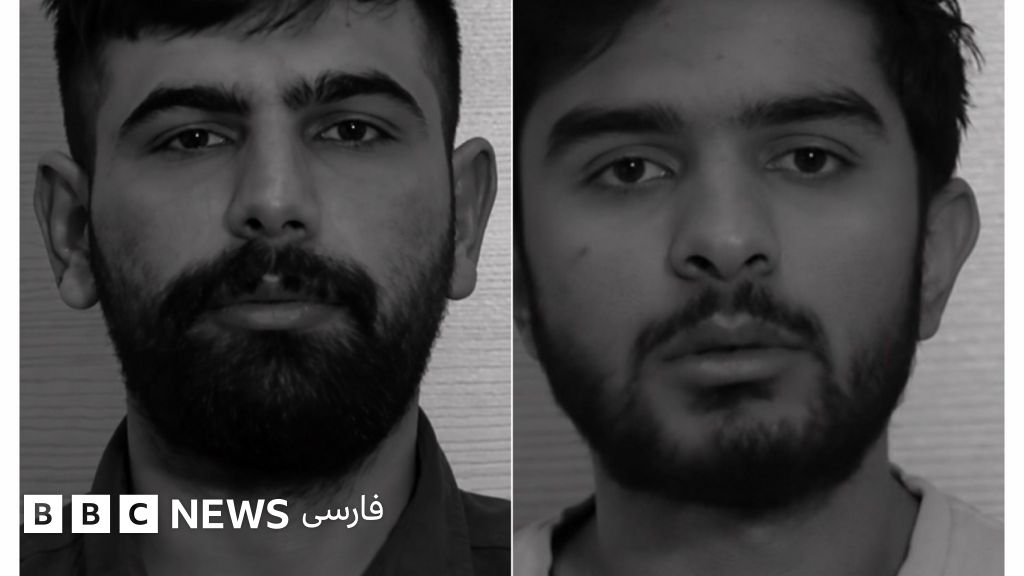
The Iranian judiciary announced the execution of two individuals, Omid Behzad and Pouria Safvat, on charges of espionage for Israel's Mossad, claiming they supplied critical intelligence during recent "wars." This action comes amidst a documented increase in executions in Iran, particularly for security-related offenses and protest-related arrests, drawing strong criticism from intern…
Imagine two people in Iran were accused of secretly telling Israel where important army places were, like a spy game. Iran's government said they were spies and executed them. But groups that care about fairness say Iran often makes people confess things they didn't do and doesn't give them a fair chance to prove their innocence. It's like playing a game where the rules are unfair.
Analysis
Allegations and Judicial Process
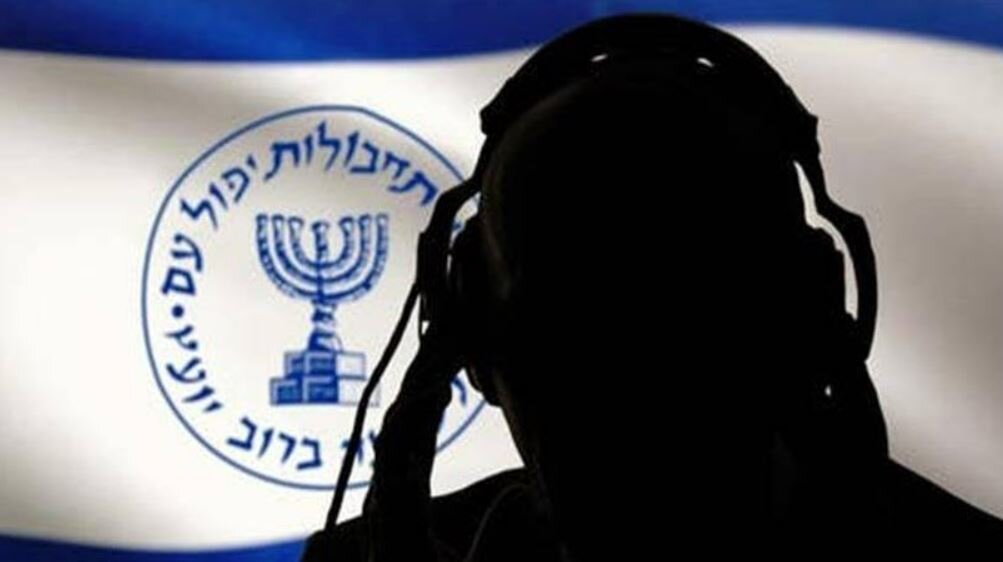
The Iranian judiciary, through its official Mizan news agency, announced the execution of Omid Behzad and Pouria Safvat, accusing them of extensive espionage for Israel's Mossad. According to Mizan, these individuals were instrumental in providing highly sensitive military and security intelligence, including precise coordinates and imagery of critical installations, during periods referred to as the "12-day war" and "40-day war," as well as the "Ramadan war." Behzad was specifically alleged to have engaged in direct communication with a Telegram channel openly soliciting such classified information, while Safvat was accused of transmitting similar data to "Iran International network," with Mizan claiming some of the locations he provided were subsequently targeted in bombings.
The official narrative states that the arrests were carried out by "the unknown soldiers of Imam Zaman in the Intelligence Organization of the Islamic Revolutionary Guard Corps," and that both men subsequently "confessed to their crimes." However, the Mizan report conspicuously lacked crucial details regarding the judicial proceedings. There was no mention of the specific courts that presided over their cases, nor any reference to the defense arguments presented by the accused or their legal representatives. This absence of transparency is a recurring pattern in high-profile security cases in Iran, consistently drawing sharp criticism from international human rights organizations.
Human Rights Concerns and Broader Context
The executions of Behzad and Safvat have ignited renewed condemnation from human rights activists and organizations worldwide. Groups like Amnesty International have consistently highlighted the systemic flaws within Iran's judicial system, particularly concerning capital punishment. These concerns include the routine denial of fair judicial procedures, the widespread practice of extracting forced confessions through torture and ill-treatment, and the severe restrictions on access to independent legal counsel. The description of these executions as "secret" by human rights bodies underscores the lack of verifiable information beyond the state's official pronouncements, making independent scrutiny virtually impossible.
These latest executions are not isolated incidents but rather part of a disturbing and accelerating trend in Iran. The article notes a significant surge in the pace of executions since late February 2026, a period that the source links to what it terms the "US and Israel war with Iran." During this time, dozens of individuals have been sent to the gallows on a range of charges, including "espionage" and "cooperation with the US and Israel," with some detainees from the nationwide protests also among those executed. This pattern suggests a concerted effort by the Iranian state to project strength and deter both internal dissent and perceived external threats.
The Death Penalty as a Tool of Repression
Mai Sato, the UN Human Rights Council's Special Rapporteur on Iran, has articulated a critical perspective on Iran's use of capital punishment, asserting that it functions as "a tool to instill fear in society and suppress protests." This assessment aligns with the directives issued by Gholamhossein Mohseni Eje'i, the head of the judiciary, who has reportedly urged prosecutors to expedite the processing and execution of sentences for those arrested during recent conflicts and protests, emphasizing a lack of leniency. Such statements from high-ranking judicial officials reinforce the perception that the death penalty is strategically employed to maintain social control and quash any form of opposition.
The timing and nature of these executions, particularly against the backdrop of heightened regional tensions and ongoing internal unrest, underscore the Iranian government's unwavering resolve. By swiftly executing individuals accused of grave security offenses, the state aims to send a clear message to both its populace and international adversaries. This approach prioritizes national security and regime stability, as defined by the authorities, often at the expense of internationally recognized standards of due process and human rights, further isolating Iran on the global stage and intensifying scrutiny of its judicial practices.
Key points
- Iran's judiciary executed Omid Behzad and Pouria Safvat for alleged espionage for Israel.
- Mizan news agency claimed they provided military and security intelligence to Mossad and affiliated channels.
- Human rights organizations criticize the executions, citing concerns over forced confessions and lack of fair trials.
- The executions are part of an accelerated trend of capital punishment in Iran, especially since recent conflicts and protests.
- UN Special Rapporteur on Iran views the death penalty as a tool for instilling fear and suppressing dissent.
The executions are likely to further escalate tensions between Iran and Israel, deepen international condemnation of Iran's human rights record, and intensify internal repression, potentially leading to more unrest and a further crackdown on dissent.