Iran’s naval blockade runs contrary to intl. law, UN Charter
A spokesman for Iran's Parliament National Security and Foreign Policy Commission stated that any naval blockade against Iran violates international law and the UN Charter, equating it to a declaration of war. He emphasized Iran's right to lodge a complaint against the US…
Intelligence analysis by Gemini 2.5 Flash
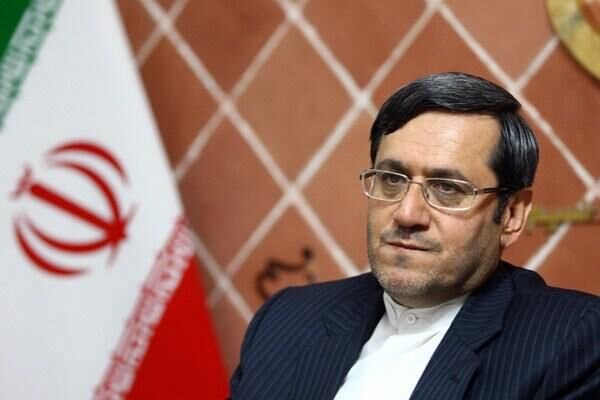
Hassan Ghashghavi, a spokesman for the Iranian Parliament National Security and Foreign Policy Commission, has strongly asserted that a perceived naval blockade against Iran constitutes a violation of international law and the UN Charter, tantamount to a declaration of war. He urged international bodies, particularly the United Nations, to intervene and condemn the actions of the Unit…
Imagine someone blocking your street so you can't get food or toys. Iran says if big ships stop their boats from moving, it's like someone starting a fight, and it's against the world's rules for being fair and peaceful. They want the world's grown-ups, like the United Nations, to tell the bullies to stop.
Analysis
The article, through the statements of Hassan Ghashghavi, a spokesman for the Iranian Parliament National Security and Foreign Policy Commission, articulates a strong condemnation of what it perceives as a naval blockade against Iran. This official stance is crucial for understanding Iran's diplomatic and legal strategy in response to international pressures. Ghashghavi's assertion that such a blockade is "tantamount to the declaration of war" under international law and the UN Charter highlights the extreme seriousness with which Tehran views these actions. It suggests that Iran is preparing to frame any such measures as direct acts of aggression, warranting a robust response, potentially through legal channels at the international level. The emphasis on Iran's "reserved right to lodge complaint against US" further solidifies this legalistic approach, indicating a potential shift towards formal grievances rather than solely relying on political rhetoric. This framing is designed to rally international opinion and pressure against the perceived blockading powers, primarily the United States and its allies, by appealing to established global norms and legal frameworks.
Hassan Ghashghavi
The statements made by Hassan Ghashghavi, as a spokesman for the Iranian Parliament National Security and Foreign Policy Commission, carry significant weight within Iran's political landscape. His role provides an official platform for articulating the country's position on critical foreign policy and security matters. By directly addressing the issue of a naval blockade, Ghashghavi is not merely expressing a personal opinion but conveying a coordinated parliamentary perspective that likely reflects broader governmental consensus.
His strong language, equating a blockade to an act of war, serves multiple purposes. It aims to deter potential adversaries by signaling Iran's readiness to escalate its response, while simultaneously mobilizing domestic support against external pressures. This public declaration also sets the stage for future diplomatic maneuvers, providing a clear legal and moral basis for Iran's actions or complaints on the international stage.
United Nations Charter
A central pillar of Ghashghavi's argument is the explicit reference to the United Nations Charter, particularly Article 2. This article, which underscores the principles of peaceful dispute settlement and the prohibition of the threat or use of force against states' sovereignty, is invoked to delegitimize any naval blockade. By grounding Iran's protest in these fundamental international legal principles, the spokesman seeks to position Iran as a defender of global order against actions he characterizes as unlawful.
The appeal to the UN Charter is a strategic move to engage international institutions and potentially garner support from countries that uphold these principles. It frames the issue not just as a bilateral dispute but as a challenge to the integrity of the international legal system itself. This approach aims to compel international bodies to intervene, as Ghashghavi explicitly calls for, thereby shifting the burden of action onto the global community to uphold its own foundational documents.
US Aggression
Although the article does not explicitly use the phrase "US Aggression" in the main body, it clearly implicates the "United States and its allies" as the perpetrators of the "measures" constituting the naval blockade. This implicit accusation of aggression is a recurring theme in Iranian foreign policy discourse, where US actions are often portrayed as hostile and destabilizing. Ghashghavi's call for international institutions to "condemn them" directly targets these nations.
The narrative positions Iran as a sovereign nation being subjected to unlawful coercion by powerful external actors. This framing is intended to evoke sympathy and support from non-aligned nations and those critical of US foreign policy. By highlighting the perceived aggressive nature of these actions, Iran seeks to justify its own potential countermeasures and to underscore the necessity of international intervention to prevent further escalation and uphold the sovereignty of nations against unilateral pressures.
Key points
- Iranian Parliament spokesman Hassan Ghashghavi stated that Iran's naval blockade violates international law.
- Ghashghavi equated the blockade to a declaration of war under international law and the UN Charter.
- He emphasized Iran's right to lodge a complaint against the United States.
- The spokesman called for international institutions, including the UN, to intervene and condemn such actions.
- Article 2 of the UN Charter, emphasizing peaceful dispute settlement and prohibition of force, was cited.
The spokesman's call for international intervention, grounded in the UN Charter, could potentially lead to diplomatic pressure on the United States and its allies to de-escalate any perceived naval blockade. This might foster a return to peaceful dispute resolution, preventing further military confrontation and upholding international legal norms.
Iran's strong rhetoric, equating a naval blockade to an act of war, could further inflame tensions with the United States and its allies, potentially leading to a more confrontational stance from all parties. If international institutions fail to intervene as Iran requests, it might feel compelled to take unilateral actions, increasing the risk of military escalation in the region.