Iran's Qalibaf Says He and Larijani Decided to Announce Khamenei's Death at Dawn and Ask People to Take to the Streets
Iran's parliament speaker Mohammad Bagher Qalibaf has revealed details about the first hours after the death of Supreme Leader Ali Khamenei in a drone attack by Israel and the US. He said that he and former security chief Ali Larijani decided to announce Khamenei's death …
Intelligence analysis by Llama
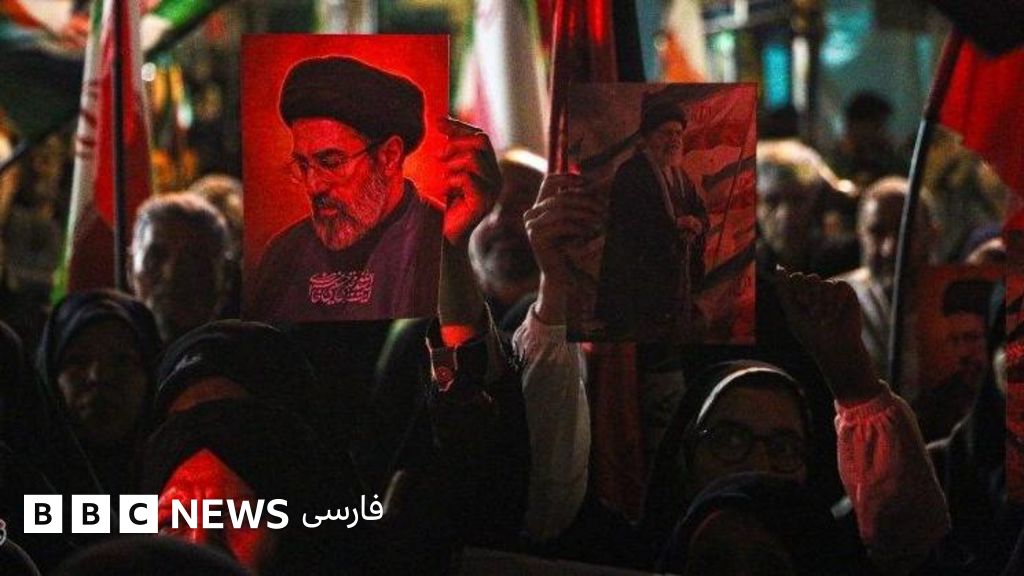
Iran's parliament speaker Mohammad Bagher Qalibaf has revealed details about the first hours after the death of Supreme Leader Ali Khamenei in a drone attack by Israel and the US. He said that he and former security chief Ali Larijani decided to announce Khamenei's death at dawn and ask people to take to the streets.
Imagine you're the leader of a country, and someone very important dies. You have to tell the people, but you also have to make sure they're safe and happy. It's like being the conductor of an orchestra, making sure everyone is playing the right notes at the right time. That's what happened in Iran when their leader died, and it's a very complicated and delicate situation.
Analysis
A Delicate Balance of Power in the First Hours After Khamenei's Death
In the immediate aftermath of the drone attack that killed Supreme Leader Ali Khamenei, the Iranian government was faced with a delicate balance of power. The country's leaders had to navigate the complex web of alliances and rivalries within the government, as well as the potential consequences of announcing Khamenei's death to the public.
According to Mohammad Bagher Qalibaf, the parliament speaker, he and former security chief Ali Larijani decided to announce Khamenei's death at dawn and ask people to take to the streets. This decision was made after consulting with other top officials and assessing the situation on the ground.
Qalibaf's revelation sheds light on the internal dynamics of the Iranian government in the aftermath of Khamenei's death. It highlights the challenges faced by the government in announcing the news to the public and the potential consequences of their decision.
The Role of Larijani in the Decision-Making Process
Ali Larijani, the former security chief, played a crucial role in the decision-making process. He was one of the key officials who advised Qalibaf on the best course of action to take in the aftermath of Khamenei's death.
Larijani's experience and expertise in security matters made him an invaluable asset to the government. His input was crucial in shaping the government's response to the crisis.
The Impact of the Decision on the Public
The decision to announce Khamenei's death at dawn and ask people to take to the streets had a significant impact on the public. It sparked widespread protests and demonstrations across the country, with many people expressing their grief and anger at the news.
The government's decision was seen as a way to channel the public's emotions and energy into a positive direction. It was an attempt to create a sense of unity and purpose among the Iranian people, in the face of a major crisis.
The Long-Term Consequences of the Decision
The decision to announce Khamenei's death at dawn and ask people to take to the streets has long-term consequences for the Iranian government. It sets a precedent for how the government will respond to future crises and challenges.
The decision also highlights the importance of effective communication and leadership in times of crisis. It shows that clear and decisive action is essential in shaping the government's response to a major crisis.
The Significance of Qalibaf's Revelation
Qalibaf's revelation is significant because it provides a unique insight into the internal dynamics of the Iranian government. It highlights the challenges faced by the government in announcing the news of Khamenei's death to the public and the potential consequences of their decision.
The revelation also sheds light on the role of Larijani in the decision-making process. It highlights his experience and expertise in security matters and his input in shaping the government's response to the crisis.
Conclusion
In conclusion, Qalibaf's revelation provides a unique insight into the internal dynamics of the Iranian government in the aftermath of Khamenei's death. It highlights the challenges faced by the government in announcing the news to the public and the potential consequences of their decision.
The revelation also sheds light on the role of Larijani in the decision-making process and the impact of the decision on the public. It highlights the importance of effective communication and leadership in times of crisis and sets a precedent for how the government will respond to future crises and challenges.
Key points
- Iran's parliament speaker Mohammad Bagher Qalibaf revealed details about the first hours after the death of Supreme Leader Ali Khamenei in a drone attack by Israel and the US.
- Qalibaf said he and former security chief Ali Larijani decided to announce Khamenei's death at dawn and ask people to take to the streets.
- The decision was made after consulting with other top officials and assessing the situation on the ground.
- Qalibaf's revelation sheds light on the internal dynamics of the Iranian government in the aftermath of Khamenei's death.
- The decision to announce Khamenei's death at dawn and ask people to take to the streets had a significant impact on the public and sparked widespread protests and demonstrations across the country.
The Iranian government's decision to announce Khamenei's death at dawn and ask people to take to the streets may have been a difficult one, but it ultimately brought the country together and showed the world that Iran is a strong and resilient nation. The government's ability to respond to the crisis and channel the public's emotions into a positive direction is a testament to their leadership and communication skills.
However, the decision to announce Khamenei's death at dawn and ask people to take to the streets also had its downsides. The government's response to the crisis was not without controversy, and some people were critical of the way the news was handled. Additionally, the protests and demonstrations that followed the announcement were not without risk, and some people were injured or arrested.