Iran’s Supreme Leader Urges Gulf Unity, President Admits Sanctions Bite
Iran's Supreme Leader urges Gulf unity, while President admits sanctions are damaging the economy.
Intelligence analysis by Qwen 2.5 (3B)
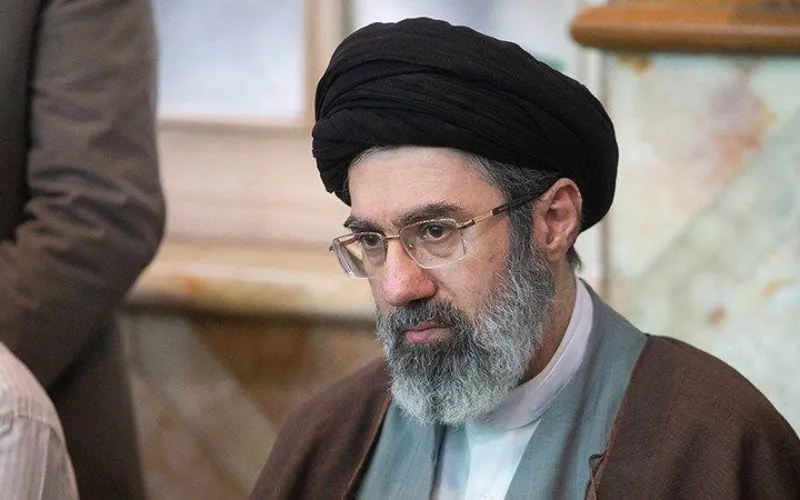
Iran's Supreme Leader and President discuss the impact of U.S. sanctions and the need for unity in the Gulf region.
Iran's leaders are talking about how to work together and how the U.S. is hurting their country. The president says the U.S. is making it hard for Iran to sell and buy things.
Analysis
{"heading_1":"Unity in the Gulf","paragraph_1":"The latest measures build on a U.S. sanctions regime imposed after then-President Donald Trump withdrew from the 2015 international nuclear agreement with Iran in 2018.","paragraph_2":"U.S. Treasury Secretary Scott Bessent announced plans for what he called the 'economic asphyxiation' of Iran, warning of consequences for countries that do not join Washington's campaign.","paragraph_3":"Pezeshkian also said Iran should raise petrol prices to reflect the decline in trade, proposing to increase the price of the 'third-tier quota' from 5,000 tomans to 10,000 tomans, about 5 cents to 10 cents.","heading_2":"Impact of Sanctions","heading_3":"U.S. Sanctions and International Response"}
Key points
- Iran's Supreme Leader urges Gulf rulers to identify their 'real enemy' and resist U.S. influence.
- President Masoud Pezeshkian admits U.S. sanctions are damaging Iran's economy.
- Iran should raise petrol prices to reflect the decline in trade.
If Iran and its neighbors can work together, they might be able to find ways to deal with the U.S. sanctions and improve their economy.
If Iran and its neighbors can't find a way to work together, the U.S. sanctions might make things even worse for Iran's economy.