Iran's World Cup super fans excited for football despite the war
Two longtime Iran supporters in California say they will keep cheering at the 2026 World Cup, even as war and visa issues shadow the team.
Intelligence analysis by GPT-5.4 Mini
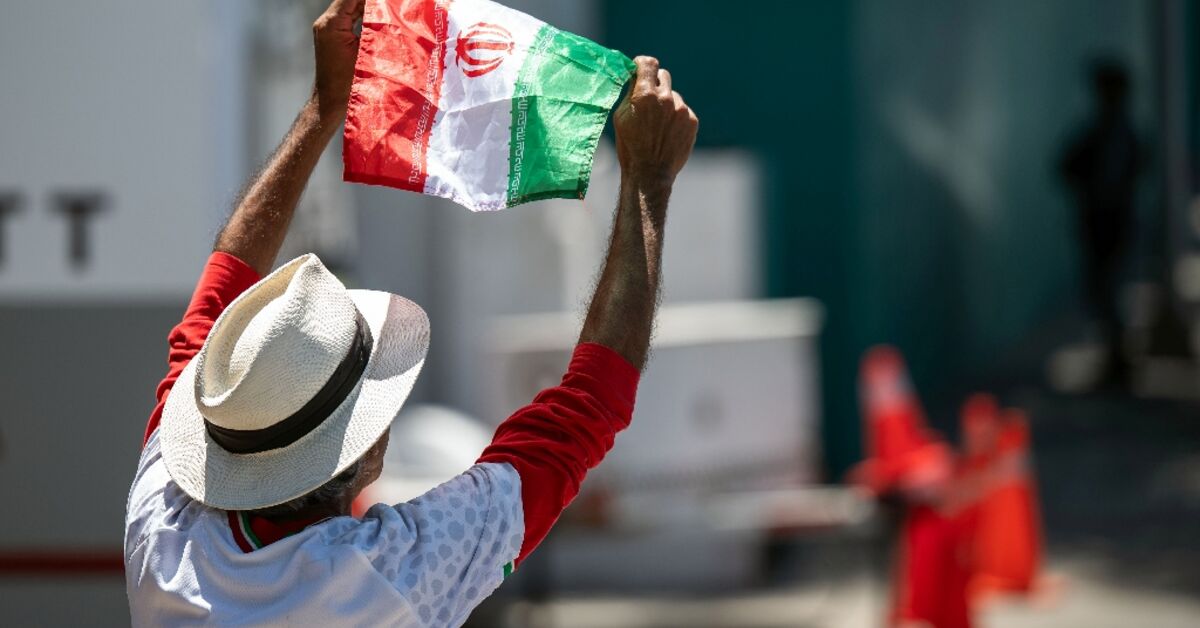
The article follows Reza Mansoor and Mostafa Pourmand, two Iranian-American superfans in San Diego, as they plan to follow Iran through the 2026 World Cup. Their optimism collides with war, visa problems, and a divided diaspora, but they still hope football can create a rare moment of calm.
Two old friends love Iran's soccer team so much that they are following it across borders, even while war makes everything tense. They hope a game against the United States could be like a handshake between rivals, the way two neighbors can stop arguing for one afternoon to play a match.
Analysis
A World Cup watched through war
Reza Mansoor and Mostafa Pourmand are longtime followers of Iran's national team who have attended 11 World Cups between them. Even with war between Iran and the United States, they say they want nothing more than a meeting between the two teams on the pitch. Both men have already bought knockout-stage tickets in case Iran advances.
Hope, logistics, and tension
Mansoor says Iran has one of its easiest World Cup groups, with New Zealand, Egypt, and Belgium, and believes the team has a real chance to move on. He has even moved across the border and is staying at the same Tijuana hotel as the players. The team shifted its training camp from Tucson, Arizona, to Tijuana after some support staff and administrators were denied entry to the United States, although the players themselves have received visas.
The politics around the team
The article makes clear that Iran's national team is not a unifying symbol for everyone. Some in the Iranian diaspora see it as a propaganda tool for the Islamic Republic. That tension has shown up before: in Qatar in 2022, some supporters booed the team, and Iran's 1-0 loss to the United States was celebrated in some Iranian streets. Pourmand expects similar opposition in Los Angeles.
Why the matchup still matters
Mansoor remembers the 1998 Iran-US match in France, which FIFA framed as a game of fraternity. He points to the flowers exchanged by players before kickoff and calls it one of the best World Cup photos ever taken. Both men still think football can soften hostility, even briefly. As Pourmand puts it, true fans will focus on the game first and deal with politics later.
Key points
- Two Iranian-American superfans have attended 11 World Cups between them and plan to keep following Iran in 2026.
- They have already bought knockout-stage tickets in hopes of seeing Iran face the United States.
- War between Iran and the United States has created visa problems and forced Iran's camp to move from Tucson to Tijuana.
- The Iranian diaspora is divided over the national team, with some seeing it as a propaganda tool.
- Both fans still believe football can briefly soften political hostility.
If Iran advances, the fans would get the rare Iran-US matchup they are hoping for, which they see as a chance for football to cool tempers, at least for a moment. A strong tournament run could also give supporters a shared story that cuts across some of the political anger around the team.
The war and visa restrictions could keep complicating the team's World Cup presence, especially for staff and administrators. The article also suggests the diaspora may stay sharply divided, so the matches could become another flashpoint rather than a moment of unity.