Iran–US tensions intensify after new American strikes inside Iran
The U.S. carried out more strikes inside Iran, deepening tensions as talks remain uncertain. Oil prices rose above $93 a barrel as fears grew over wider regional instability.
Intelligence analysis by GPT-5.4 Mini
The article says the U.S. launched another round of strikes inside Iran on Wednesday after President Donald Trump warned Tehran over delays in negotiations. With reported attacks across the Gulf, rising oil prices, and fresh mediation efforts still underway, the conflict is edging toward a wider regional crisis.
Two big powers are trading blows near a very important sea path for oil, like a busy bridge that many trucks must cross. If the fighting keeps growing, it can shake up prices, trade, and safety for many countries nearby.
Analysis
Escalation and retaliation
The story describes a sharp rise in Iran–U.S. tensions after the United States carried out another round of strikes inside Iran. CENTCOM said American forces hit multiple sites, describing the action as a response to Iran’s continued aggression. The report says this was the second straight day of U.S. strikes, which added more uncertainty to already fragile diplomacy.
Regional spread
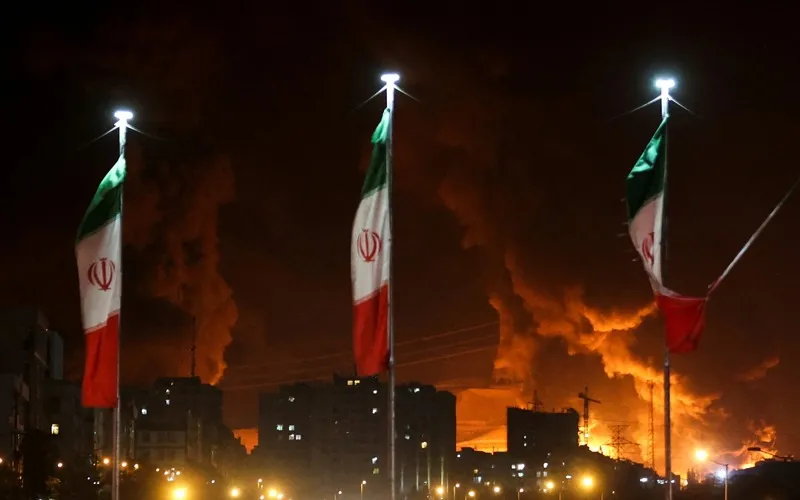
The escalation did not stay limited to Iran. The article says Bahrain, Kuwait, and Jordan, all of which host U.S. military bases, reported Iranian attacks just hours earlier. Iranian media also reported explosions in southern Iran, including Bandar Abbas, Sirik, and Minab, with air defenses activated in several places. Local reports later said strikes damaged water infrastructure in Sirik and briefly affected drinking water supplies nearby.
Diplomatic track still open
Despite the military exchanges, the article says mediation has not stopped. A Qatari delegation reportedly arrived in Tehran on Wednesday as part of efforts to reduce tensions and revive negotiations. Still, major gaps remain. Washington wants Iran to give up its stockpile of highly enriched uranium, while Tehran insists its nuclear work is peaceful and wants sanctions relief and access to frozen funds.
Wider risk
The Strait of Hormuz is a major concern in the piece because it is one of the world’s most important routes for oil and gas exports. The article says Trump claimed the U.S. had quietly helped oil shipments move through the strait, though no independent confirmation was immediately available. Oil prices rising above $93 a barrel shows the market is already pricing in disruption risk. The report closes by warning that, if military exchanges keep growing and diplomacy stays weak, the crisis could expand beyond isolated strikes into a broader regional conflict.
Key points
- The U.S. carried out another round of strikes inside Iran, according to CENTCOM.
- Iranian attacks were also reported around Bahrain, Kuwait, and Jordan.
- Oil prices climbed above $93 a barrel as markets worried about supply disruption.
- Qatar is said to be mediating, but major disputes between Washington and Tehran remain unresolved.
- The Strait of Hormuz remains a major pressure point in the crisis.
If the mediation effort in Tehran keeps moving, the strikes could push both sides back toward talks instead of a wider war. A deal would lower pressure on shipping lanes and help calm the oil market, which is already reacting to the crisis.
If strikes and retaliatory actions continue, the conflict could spread beyond Iran and the Gulf states mentioned in the report. That would raise the risk of disrupted oil flows, higher prices, and a broader regional confrontation.