Iraqi resistance: Our response to America is on the way—perhaps in Saudi Arabia
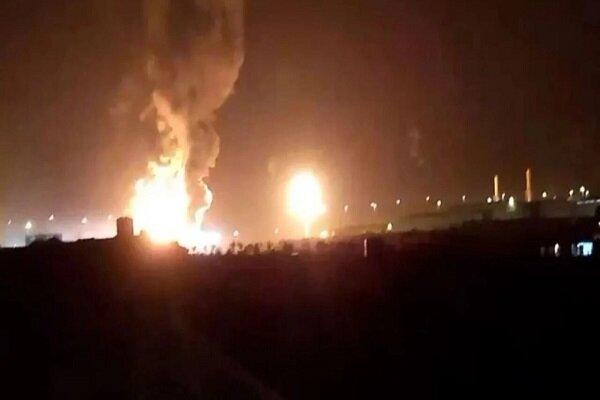
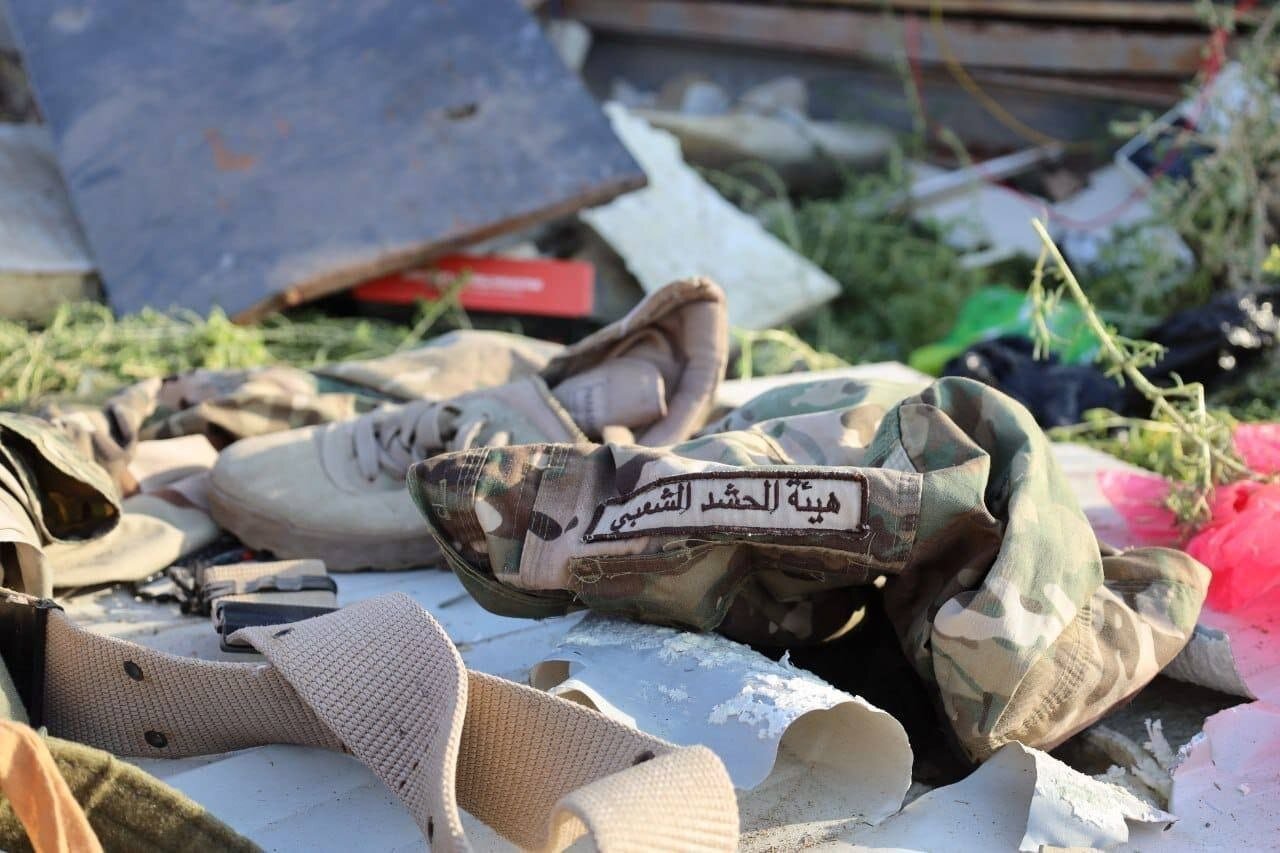
Iraqi resistance groups have vowed to retaliate against Saudi Arabia after a joint US-Saudi attack on Iraqi territory killed 20 soldiers and wounded 32. The attack has unified Iraq's fractious political landscape against Riyadh and strained relations between the two sides.
Intelligence analysis by Llama
A joint US-Saudi attack on Iraqi territory has sparked a unified response from Iraqi resistance groups, who have vowed to retaliate against Saudi Arabia. The attack has strained relations between Iraq and Saudi Arabia and has further united the Axis of Resistance against a common enemy.
Imagine a group of friends who are all working together to protect their home. But then, someone from outside comes and tries to hurt them. The friends get very angry and want to defend themselves. This is what's happening in Iraq right now. The Iraqi resistance groups are fighting back against the people who are trying to hurt them.
Analysis
A Web of Inconvenient Truths and Contempt for Iraqi Sovereignty
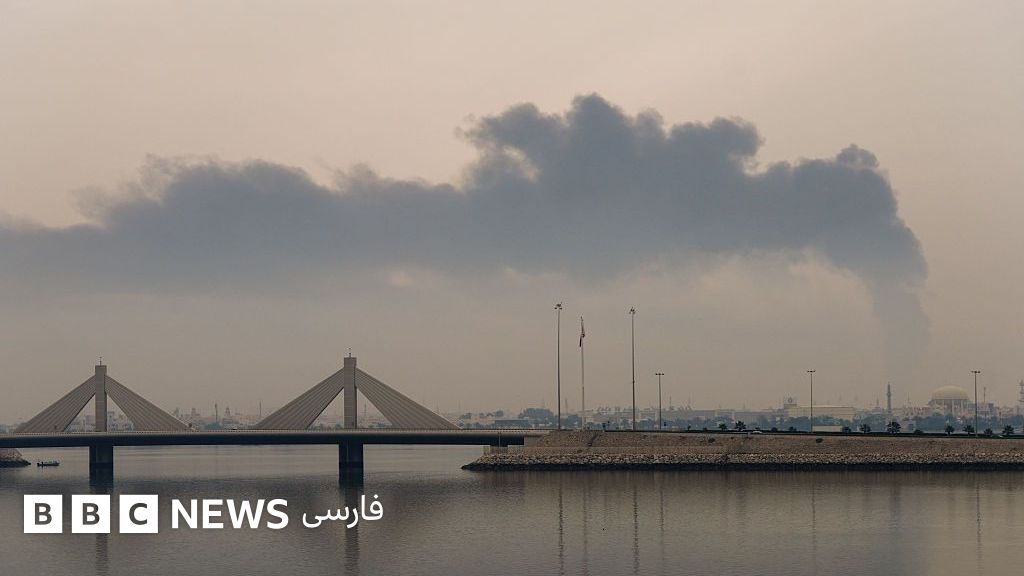
The joint US-Saudi attack on Iraqi territory has revealed a web of inconvenient truths, deliberate evasions, and a contempt for Iraqi sovereignty that reveals the true calculus driving Washington and Riyadh. Saudi Arabia blamed the PMF for recent drone attacks that targeted critical oil facilities in its eastern province, despite Yemen's Ansarullah claiming full responsibility for the operation. The irony is that Saudi Arabia announced it had intercepted the drone attacks. By choosing to strike Iraq, the Saudis may have opened a Pandora's box that could backfire in ways that Riyadh and Washington had not fully anticipated.
A Unified Iraq Against Riyadh
The strikes have unified Iraq's fractious political landscape against Riyadh. Prime Minister Ali al-Zaidi's cancellation of his diplomatic visit to Saudi Arabia on Thursday signals a significant strain in relations between the two sides. Iraqi parties have come out in a show of solidarity with the PMF. Second, targeting the PMF, which is integrated into the Iraqi state, has given the government in Iraq little choice but to reconsider its security cooperation with Washington. Calls for a 'comprehensive review' of security agreements with the U.S. have already emerged from politicians in Baghdad.
A Harsh Response from the Islamic Resistance
The Islamic Resistance in Iraq has pledged a 'harsh response' to Saudi actions. Iraq's territory will now potentially serve as a launchpad for attacks against Saudi Arabia. Riyadh has provoked a determined adversary along its border. The Kingdom's oil infrastructure, which constitutes the lifeblood of its economy, has already been shown to be vulnerable. The Islamic Resistance in Iraq also said, 'Our response to America is on the way—perhaps in Saudi Arabia.' Ansarullah in Yemen has already demonstrated its ability to strike deep into Saudi territory, and now Iraqi resistance movements have every incentive to join the fight.
A United Axis of Resistance
The strikes have further united the Axis of Resistance, from Iran to Iraq, and Yemen, against a common enemy. Rather than weakening this alliance, Riyadh has strengthened it. The most glaring contradiction in the U.S.-Saudi justification is the fear of confronting the party that actually claimed responsibility for the attack. Just hours before the Saudi claim of drones from Iraq targeting its eastern province, Yemen's Ansarullah claimed responsibility. Yahya Saree, the movement's military spokesman, explicitly stated that the launching of drones was a retaliation for Saudi violations of Yemeni airspace and the continued brutal siege on the Yemeni people.
Key points
- Iraqi resistance groups have vowed to retaliate against Saudi Arabia after a joint US-Saudi attack on Iraqi territory.
- The attack has strained relations between Iraq and Saudi Arabia and has further united the Axis of Resistance against a common enemy.
- The US-Saudi attack on Iraqi territory may have unintended consequences, such as provoking a harsh response from the Islamic Resistance in Iraq.
The Iraqi resistance groups' vow to retaliate against Saudi Arabia may lead to a more unified and determined response from the Axis of Resistance. This could potentially weaken the US-Saudi alliance and lead to a more stable regional environment.
The US-Saudi attack on Iraqi territory may have unintended consequences, such as provoking a harsh response from the Islamic Resistance in Iraq. This could lead to a destabilization of the region and a further escalation of the conflict.