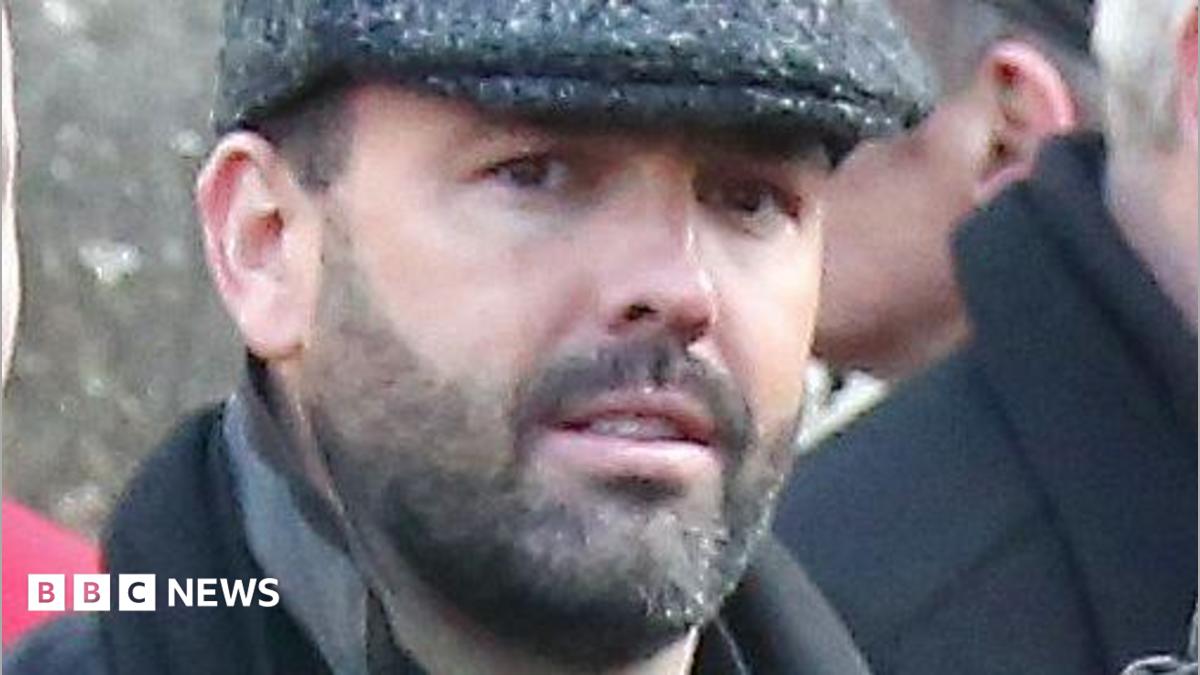
Iraq’s Kurdish region wants to stay out of regional conflicts: PM Barzani
Iraq's Kurdish region does not want to become involved in the ongoing regional conflict sparked by the United States and Israel's war on Iran, according to Prime Minister Masrour Barzani. The region's infrastructure has been severely damaged by more than 1,000 missile and…
Intelligence analysis by Llama

Iraq's Kurdish region wants to stay out of regional conflicts, says Prime Minister Masrour Barzani. The region's infrastructure has been severely damaged by missile and drone attacks since the war began on February 28.
The Kurdish region in Iraq doesn't want to get involved in a big conflict between the US, Israel, and Iran. They've been attacked with missiles and drones over 1,000 times since the war started, and they're trying to stay safe and maintain their independence.
Analysis
Regional Conflict Escalation
The ongoing regional conflict sparked by the United States and Israel's war on Iran has severe implications for the Kurdish region in Iraq. Prime Minister Masrour Barzani has stated that the region does not want to become involved in the conflict and is committed to maintaining its autonomy. The region's infrastructure has been severely damaged by more than 1,000 missile and drone attacks since the war began on February 28. These attacks have been described as 'unjustified' by Barzani, who emphasizes the importance of resolving issues peacefully through dialogue.
KRG Support for Baghdad's Efforts
The KRG supports the Iraqi government's efforts to bring weapons under state control. In a speech before parliament in May, Iraq's Prime Minister Ali a-Zaidi promised that the state will have a monopoly on arms in a country where paramilitary groups have been powerful since the 2003 US-led war on Iraq. The government has set a September 30 deadline for all armed factions to disarm and surrender their weapons to state control.
Regional Relations
Regional authorities maintain no relations with Israel, while ties with Syria and Turkiye are deepening, marked by 'mutual cooperation'. KRG President Nechirvan Barzani this week met Syrian President Ahmed al-Sharaa in the first visit to Syria by an Iraqi Kurdish leader since the fall of Bashar al-Assad in December 2024. Iranian Kurdish opposition parties have been on high alert since the beginning of the US-Israeli war on Iran. Their bases in the semi-autonomous Kurdish region of Iraq – and inside Iran itself – have been thrust onto the front lines of the conflict, with the possibility of Iranian Kurdish fighters entering the conflict to topple the Iranian government being widely discussed.
Key points
- Iraq's Kurdish region does not want to become involved in the ongoing regional conflict sparked by the US and Israel's war on Iran.
- The region's infrastructure has been severely damaged by more than 1,000 missile and drone attacks since the war began on February 28.
- The KRG supports the Iraqi government's efforts to bring weapons under state control.
- Regional authorities maintain no relations with Israel, while ties with Syria and Turkiye are deepening.
If the conflict is resolved peacefully, the Kurdish region may be able to rebuild its infrastructure and maintain its autonomy. This could lead to increased stability and cooperation between regional authorities.
If the conflict escalates, the Kurdish region may face further damage to its infrastructure and increased pressure to become involved in the conflict. This could lead to a loss of autonomy and increased instability in the region.