Is Bitcoin Kidding Itself About The Lightning Network?
A Bitcoin developer claims the community is misrepresenting the Lightning Network's usability, citing high custodial use and technical friction, while others argue significant improvements have been made.
Intelligence analysis by Gemini 2.5 Flash
The article explores a contentious debate within the Bitcoin community regarding the Lightning Network's real-world usability and adoption. Critics, like developer Paul Sztorc, allege a "vast conspiracy to lie" about its user experience, pointing to the prevalence of custodial services and technical hurdles. Conversely, proponents from infrastructure providers assert that recent advan…
Imagine Bitcoin is a super busy highway where every car has to stop at a toll booth. Lightning Network is like building special express lanes next to the highway. Some people say these express lanes are tricky to use and many just pay a friend to drive their car through for them (custodial services). But others say the express lanes are getting much easier and faster, even if most people are still using the old highway for their daily coffee runs.
Analysis
The ongoing discussion surrounding the Lightning Network's efficacy highlights a fundamental tension within the Bitcoin ecosystem: the balance between decentralization and user-friendliness. While Lightning was conceived to address Bitcoin's scalability limitations by enabling faster, cheaper off-chain transactions, its implementation has faced significant hurdles, leading to a polarized debate among developers and users.
Paul Sztorc
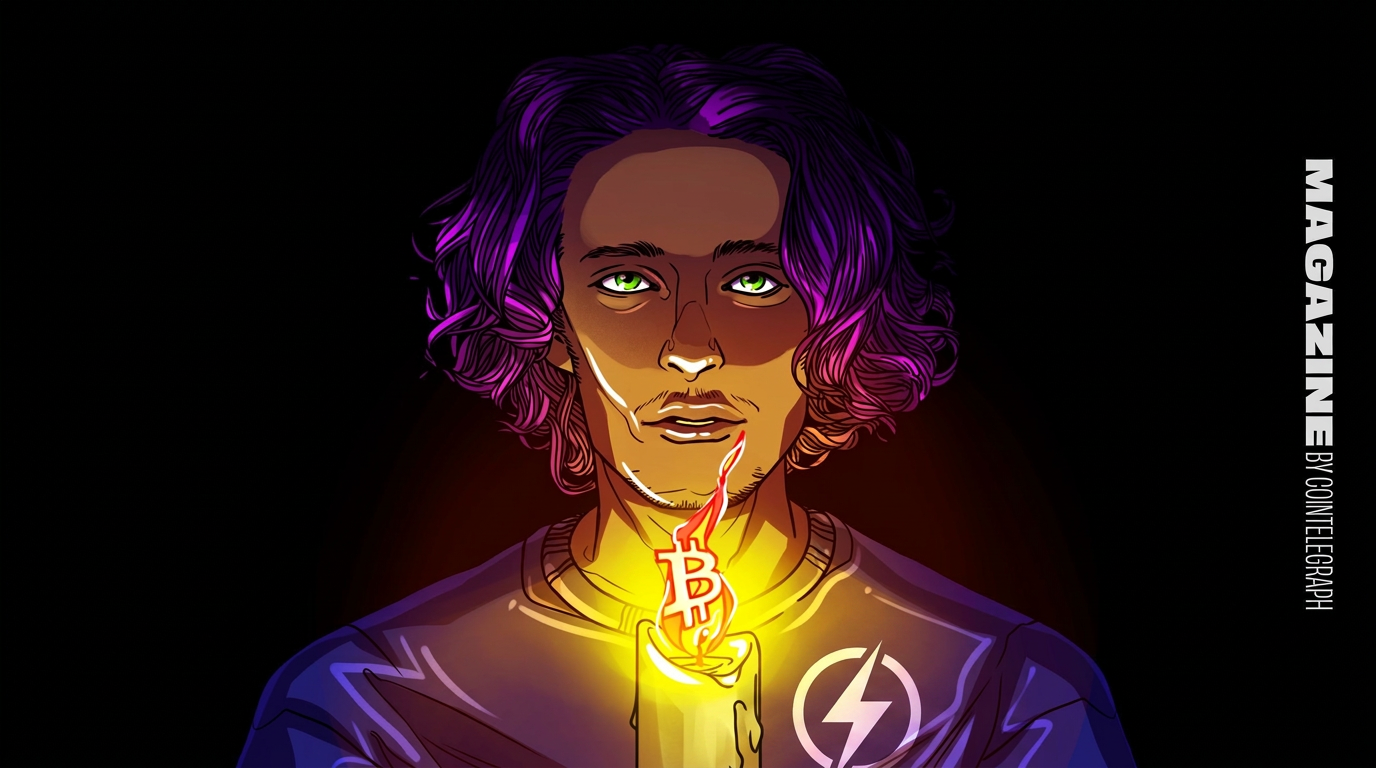
Bitcoin developer Paul Sztorc ignited a fresh wave of controversy with his blunt assertion that the Bitcoin community is deluding itself about the Lightning Network's performance. Sztorc, in an October 4 post on X, claimed a "vast, years long conspiracy to lie" about the network's user experience, drawing a stark parallel to the Theranos fraud case. His primary contention revolves around the alleged dominance of custodial Lightning services, which he estimates account for over 80% of payments, arguing that their promotion constitutes a form of deception.
Sztorc's criticism underscores a persistent concern about the network's underlying mechanics, which often create friction for users. He points out that in a world accustomed to one-click transactions, Lightning's reliance on payment channels and the need for available liquidity in specific places at specific times make it clunky. Routing failures, particularly for larger payments requiring multiple hops, further complicate the user experience, making it less appealing for the average person who simply wants to make a payment without technical complexities.
Amboss
Jesse Shrader, co-founder and CEO of Lightning infrastructure provider Amboss, offers a more optimistic perspective, acknowledging initial challenges but emphasizing the progress made. Shrader concedes that understanding liquidity requirements can be difficult at first, but he asserts that current tools and automation services have made these issues "trivial to solve." This suggests that while the core mechanics might be complex, the user-facing solutions are evolving to abstract away much of that complexity.
Amboss's simulations indicate a high success rate for everyday payments, with $100 transactions achieving 99.66% reliability in the core network. This figure, while encouraging, is presented with a caveat: it's a simulation, not a verified, network-wide measure of actual user experience. The discrepancy between simulated success rates and real-world user frustrations highlights the gap between technical capability and practical adoption, suggesting that individual results may vary significantly depending on setup and usage patterns.
Breez
Danny Stagg, marketing lead at Bitcoin payments infrastructure provider Breez, argues that much of the criticism leveled against Lightning's user experience is now outdated. He contends that the network has undergone substantial improvements over the past two years, with newer infrastructure effectively abstracting away complexities like channel management and inbound liquidity. This evolution means that users no longer need to run their own nodes or manage channels directly, as developers and service providers handle these technical aspects behind the scenes.
Breez CEO Roy Sheinfeld further notes that AI coding tools are simplifying the development of Bitcoin-enabled applications, leading to a rapid increase in inquiries from prospective partners. This growing developer interest, according to Stagg, is translating into more partners integrating Bitcoin every quarter. However, the article also points out that increased developer interest and transaction volume, while impressive (River estimated $1.17 billion in volume across 5.22 million transactions in November 2025), do not automatically equate to widespread everyday adoption, as transaction counts have not consistently kept pace with value moving through the network.
Key points
- Bitcoin developer Paul Sztorc claims a "vast, years long conspiracy to lie" about the Lightning Network's user experience.
- Sztorc alleges that over 80% of Lightning payments are handled by custodial services, which he likens to fraud.
- Critics highlight Lightning's technical friction, such as liquidity requirements and routing failures, as barriers to adoption.
- Proponents like Amboss and Breez argue that recent infrastructure improvements have made the network significantly easier to use, even for non-custodial transactions.
- Financial services company River estimated Lightning processed $1.17 billion in transaction volume across 5.22 million transactions in November 2025, though transaction counts have not consistently grown since an August 2023 peak.
The Lightning Network has seen significant improvements in user experience, with new infrastructure abstracting away technical complexities, making non-custodial use more accessible. Growing developer interest and increasing transaction volumes, as reported by River, suggest a positive trajectory for its integration into more applications and services, potentially boosting Bitcoin's utility for everyday payments.
Despite reported improvements, the Lightning Network still faces challenges with widespread everyday adoption due to its inherent technical complexities and reliance on custodial solutions. Critics argue that the network's clunky payment channels and routing failures, especially for larger transactions, hinder its practical use, potentially limiting Bitcoin's ability to become a truly seamless payment rail.