Is Hong Kong’s property market recovery running out of gas? UBS flags 4 risks
UBS forecasts the Hong Kong property market's recovery to moderate in both prices and rents due to AI's impact, slower population growth, regional integration, and new homes.
Intelligence analysis by Llama
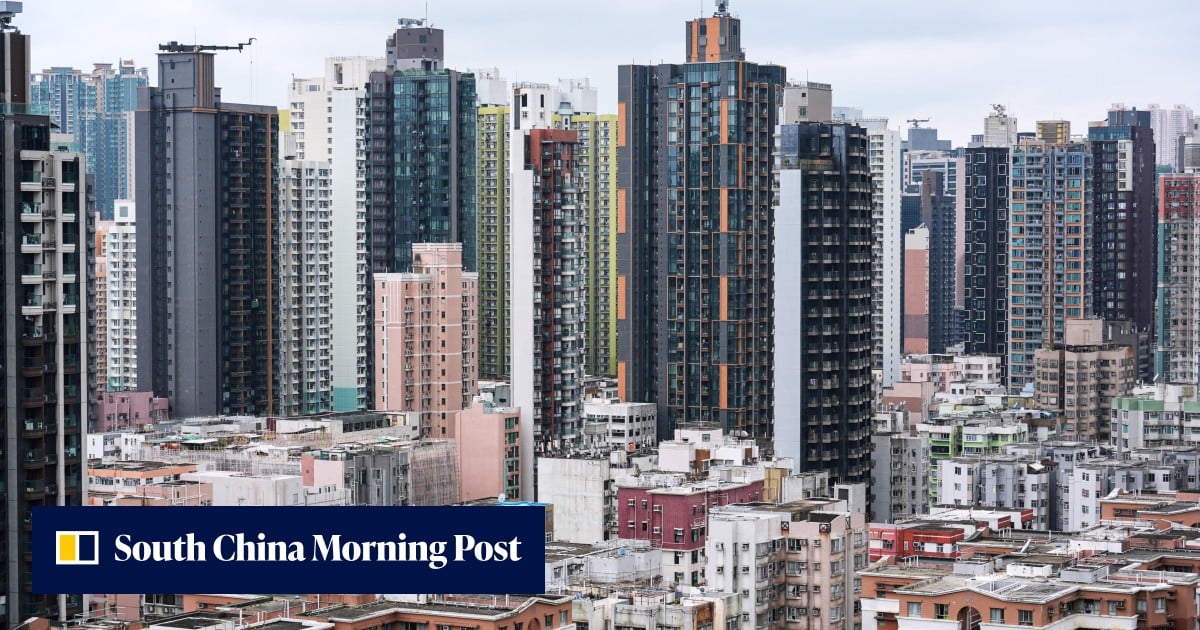
The Hong Kong property market's recovery is expected to slow down due to several factors, including the impact of artificial intelligence, slower population growth, and regional integration.
Imagine the Hong Kong property market is like a big game of Jenga. If you remove too many blocks, the whole thing can come crashing down. That's what's happening with the Hong Kong property market. Artificial intelligence, slower population growth, and other factors are making it harder for the market to recover. It's like the blocks are getting harder to find, and the market is starting to slow down.
Analysis
Hong Kong Property Market Recovery at Risk Amid AI Disruptions and Slower Population Growth
The Hong Kong property market's recovery is forecast to moderate in both prices and rents in the coming months as disruptions brought about by artificial intelligence, slower population inflows, and other factors are likely to impact the upturn, according to UBS. The Swiss investment bank said that in addition to AI and slower population growth, the city's residential market could also be affected by the deepening integration of the Greater Bay Area, as well as incoming supply of new homes in the Northern Metropolis.
In the bank's base case, home prices are likely to remain broadly flat in the second half of the year and in 2027, while rental increments were likely to slow down starting in 2028, Leung said. Since they peaked in September 2021, secondary home prices had fallen by as much as 28.4 per cent at their trough in March last year, data from the Rating and Valuation Department showed. From its lowest, the official home price index had recovered 13.4 per cent, according to the latest government data. Rents, meanwhile, had been hitting new highs for the eighth month straight as of June, according to the department's data.
Four Key Risks to the Hong Kong Property Market
UBS identified four key risks to the Hong Kong property market, including AI's impact, slower population growth, regional integration, and new homes. The bank believes that the market has yet to fully price these risks, and that they will likely have a significant impact on the market in the coming months.
Implications for the Hong Kong Economy
The Hong Kong property market's recovery is a significant economic indicator, and any changes in its trajectory can have far-reaching consequences for the city's economy and residents. A slowdown in the market could have a negative impact on the economy, while a continued recovery could lead to increased economic growth and investment.
Conclusion
In conclusion, the Hong Kong property market's recovery is expected to slow down due to several factors, including the impact of artificial intelligence, slower population growth, and regional integration. The market has yet to fully price these risks, and they will likely have a significant impact on the market in the coming months.
Key points
- UBS forecasts the Hong Kong property market's recovery to moderate in both prices and rents due to AI's impact, slower population growth, regional integration, and new homes.
- The market has yet to fully price four key risks to the Hong Kong property market, including AI's impact, slower population growth, regional integration, and new homes.
- Home prices are likely to remain broadly flat in the second half of the year and in 2027, while rental increments were likely to slow down starting in 2028.
If the Hong Kong government can find ways to mitigate the impact of AI and slower population growth, the property market could still recover. Additionally, if the Greater Bay Area integration and new homes in the Northern Metropolis can bring in more investment and jobs, it could help to boost the market.
If the Hong Kong property market continues to slow down, it could have a negative impact on the economy. Additionally, if the market is unable to recover, it could lead to increased housing prices and rents, making it even harder for people to afford homes.