Is it okay to eat the same things every day? The pros and cons of food monotony
Eating the same meals every day can be an efficient way to simplify your routine, manage your weight, and eliminate decision fatigue. However, there can be a downside, including a risk of nutritional deficiencies if your daily meals consist mostly of ultraprocessed foods …
Intelligence analysis by Llama
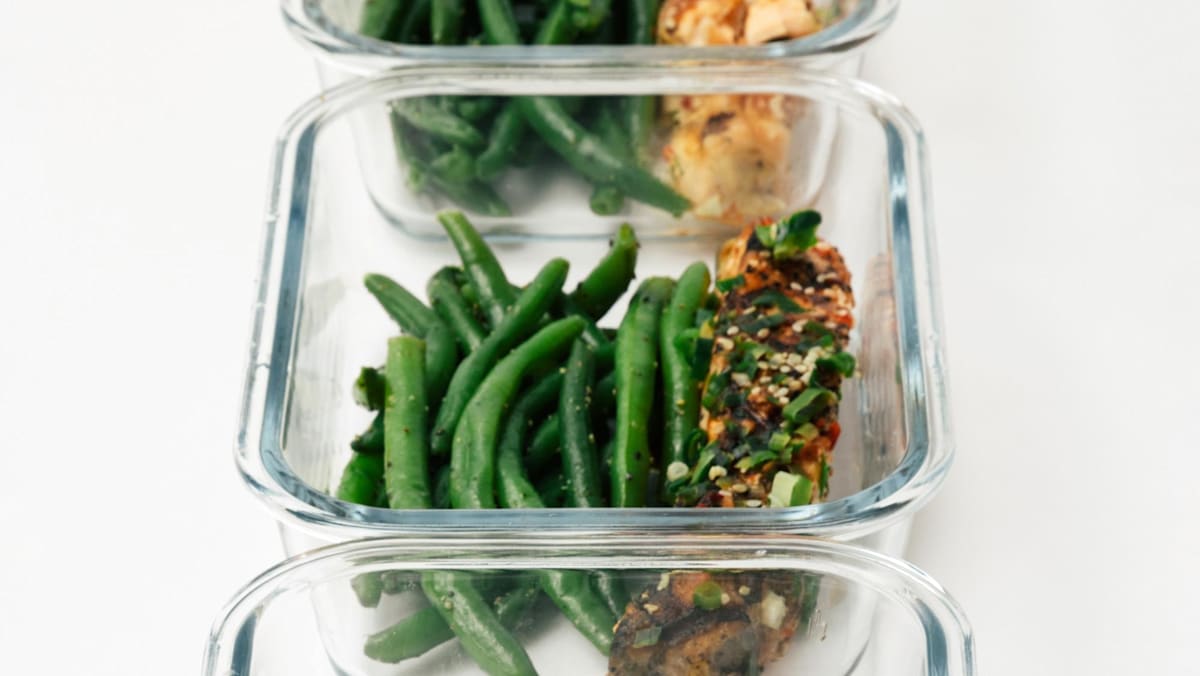
Eating the same meals every day can be beneficial for weight management and decision fatigue, but it can also lead to nutritional deficiencies if the meals are not balanced and healthy. Experts recommend adding a little variety to your meal to keep your diet healthy.
Eating the same meals every day can be good for you if you eat healthy foods. But if you eat too much of the same food, you might get sick. It's like eating the same food for breakfast every day, but making sure it's a healthy food like oatmeal with fruit.
Analysis
The Benefits of Food Monotony
Eating the same meals every day can be an efficient way to simplify your routine, manage your weight, and eliminate decision fatigue. According to Marion Nestle, a professor emerita of nutrition, food studies, and public health at New York University, eating the same meal over and over again can be beneficial if it's balanced and healthy. This is because it reduces the need to plan menus, shop, and cook, which can be time-consuming and stressful.
The Risks of Food Monotony
However, there can be a downside to eating the same meals every day. If your daily meals consist mostly of ultraprocessed foods or high fat, salty, or sugary snacks, you may be at risk of nutritional deficiencies. Julia Zumpano, a registered dietitian at the Cleveland Clinic, notes that meals should be nutrient-dense, meaning they include a protein, a carbohydrate, and a healthy fat. For example, a daily breakfast of yoghurt or oatmeal with fresh fruit is healthier than bacon, eggs, and hash browns.
Adding Variety to Your Meal
To keep your diet healthy, experts recommend adding a little variety to your meal. Dr Donald Hensrud, an associate professor of nutrition and preventive medicine at the Mayo Clinic College of Medicine, suggests that you can build off a concept, such as having a sandwich for lunch, but still add variety. For example, you can have a peanut butter and jelly sandwich one day and grilled cheese or turkey the next day. However, don't eat too much of a single food, which could lead to excessive exposure to harmful substances, like mercury in fish, or to nutrients considered unhealthy in large amounts.
Key points
- Eating the same meals every day can be beneficial for weight management and decision fatigue.
- However, there can be a downside, including a risk of nutritional deficiencies if the meals are not balanced and healthy.
- Experts recommend adding a little variety to your meal to keep your diet healthy.
- Don't eat too much of a single food, which could lead to excessive exposure to harmful substances or to nutrients considered unhealthy in large amounts.
If people eat the same healthy meals every day, they may be able to manage their weight and reduce decision fatigue. This could lead to a healthier and more efficient lifestyle.
If people eat the same unhealthy meals every day, they may be at risk of nutritional deficiencies and other health problems. This could lead to a range of negative outcomes, including weight gain, fatigue, and decreased overall health.