Is the pressure to be likable an obstacle to women's career advancement?
New research indicates that women globally face significant pressure to be 'likable' in the workplace, a phenomenon hindering their career progression, particularly into senior leadership roles.
Intelligence analysis by Gemini 2.5 Flash
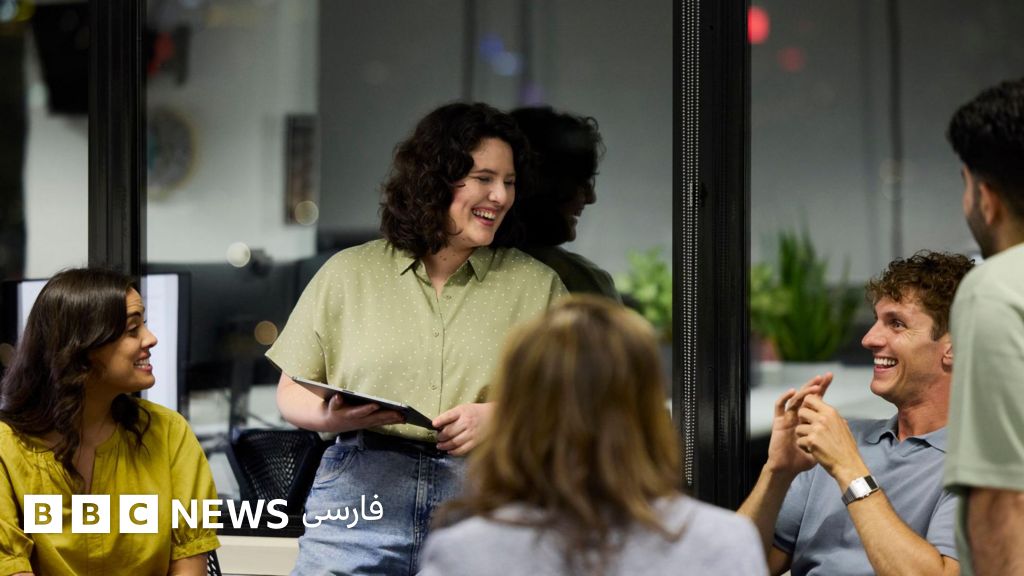
A recent report highlights how women often feel compelled to modify their behavior, speech, and even personality to be perceived as likable by colleagues and superiors. This 'likability pressure' is a major barrier to career advancement, leading to underrepresentation in management, especially in regions like Kenya, Nigeria, and India.
Imagine you're playing a game with your friends, and you have a great idea, but you worry if you say it too strongly, they might not like you anymore. So, you say it very softly or don't say it at all. This story is about how grown-up women often feel like they have to be super nice and friendly at work, like a 'workplace mom,' even if it means not sharing their best ideas or standing up for themselves, just so everyone likes them. But this can stop them from getting important jobs, even if they're really good at what they do.
Analysis
The Unseen Burden of Likability
The article delves into the concept of 'likability pressure' in the workplace, a phenomenon where women feel compelled to constantly adjust their behavior to be perceived as agreeable and non-disruptive. This pressure, as exemplified by Faith's experience in Nairobi, often leads women to suppress their true opinions and avoid challenging colleagues, fearing negative repercussions on their career trajectory. The research by Amy Kean, who coined the term, reveals that 56% of women in UK workplaces feel this pressure, compared to 36% of men, highlighting a significant gender disparity in professional expectations.
This constant self-editing is not merely about being popular; it's a defense mechanism to avoid being labeled as 'harsh,' 'aggressive,' or 'overly assertive.' The article notes that this issue also has a class dimension, with working-class women, less accustomed to adapting their communication styles, often facing accusations of being too direct. The core issue, according to Kean, is about women feeling safe, heard, and taken seriously, rather than just being liked. The forum 'Unlikable Women' she established in London saw over 300 attendees, underscoring the widespread nature of this shared experience.
Global Patterns of Professional Disparity
The problem of likability pressure is not confined to the UK or specific regions; it's a global issue. A 2024 study by US-based recruitment company Textio, analyzing data from 250,000 individuals across 253 organizations, corroborates this, showing that women receive disproportionately more personality-based feedback. A striking 56% of women in their surveys were labeled 'unlikable,' while only 16% of men received such criticism. Conversely, men were four times more likely to be positively labeled 'likable.'
This global pattern contributes to the significant underrepresentation of women in senior leadership roles. The 'Women in the Workplace 2025' report highlights this 'broken rung' phenomenon, where women's presence drastically decreases from entry-level to managerial positions. In Kenya, for instance, women constitute 50% of entry-level staff in sectors like healthcare and finance but only 26% at senior management levels. Similar trends are observed in Nigeria and India, indicating a systemic barrier to women's career advancement that transcends geographical boundaries.
Sociocultural Roots and Workplace Manifestations
Sociologists attribute women's drive for likability in the workplace to deeply ingrained social and cultural factors. Dr. Gladys Nayachia, a sociologist from Kenya Multimedia University, explains that women have traditionally occupied caregiving roles in societies, prioritizing the needs of others over their own. This societal expectation often translates into the professional sphere, where women are expected to be accommodating and nurturing. In Swahili, such women are even given the moniker 'workplace mother' or 'office mom,' signifying their willingness to undertake extra tasks to maintain harmony and routine.
This cultural conditioning creates an environment where women who assert themselves or challenge the status quo risk being perceived negatively, thereby jeopardizing their professional standing. The article implicitly suggests that addressing this issue requires a shift not only in individual behaviors but also in organizational cultures and broader societal norms that perpetuate these gendered expectations. Recognizing and dismantling the 'likability pressure' is crucial for fostering equitable workplaces where women can advance based on merit, free from the burden of conforming to outdated social constructs.
Key points
- Women often feel significant pressure to be 'likable' in the workplace, leading to self-doubt and behavioral adjustments.
- This 'likability pressure' is a major obstacle to women's career advancement, particularly into senior leadership positions.
- Research shows 56% of women feel this pressure, compared to 36% of men, and women are more often labeled 'unlikable' in performance feedback.
- The phenomenon is global, with similar patterns of female underrepresentation in management observed in Kenya, Nigeria, and India.
- Sociocultural factors, such as traditional caregiving roles, contribute to women's perceived need to be agreeable in professional settings.
Increased awareness of 'likability pressure' could lead to more inclusive workplace policies and training programs that challenge unconscious biases. This could empower women to assert themselves more effectively without fear of negative judgment, fostering environments where merit and competence are prioritized over perceived agreeableness.
If the pressure to be likable remains unaddressed, women will continue to face significant barriers to career advancement, leading to persistent gender inequality in leadership roles. This could result in a loss of diverse perspectives and talent within organizations, ultimately hindering innovation and overall progress.


