Israel hits Iran with fresh strikes despite Trump warning
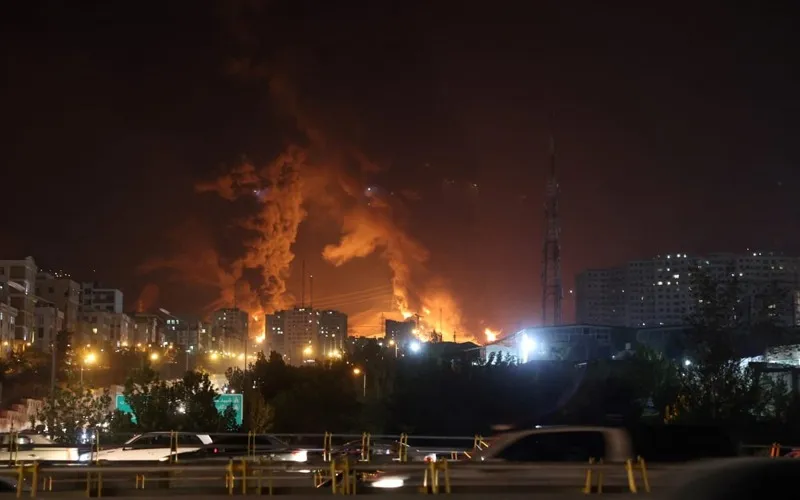
Israel struck military targets in Iran as explosions were reported across several Iranian cities, deepening the regional conflict and lifting oil prices.
Intelligence analysis by GPT-5.4 Mini
The article describes a sharp escalation in the Israel-Iran conflict, with Israeli airstrikes on Iranian military sites and Iranian missile retaliation. It says Trump urged Netanyahu to hold back, but strikes continued anyway, while markets reacted with higher oil prices.
Two enemies kept throwing punches, even after someone tried to make them stop. That made the whole neighborhood nervous, and the price of fuel went up because people worried supplies could get blocked.
Analysis
Escalation across multiple fronts
The article says Israel carried out fresh airstrikes on military targets in western and central Iran, while Iranian state media reported explosions in Tehran, Tabriz, Isfahan, and near Karaj. It frames the fighting as one of the most intense phases yet in the conflict between Israel and Iran.
Diplomatic pressure, but no pause
According to the article, U.S. President Donald Trump tried to stop further escalation and urged Israeli Prime Minister Benjamin Netanyahu not to launch additional strikes. The piece says Trump argued that both sides had already traded attacks and that more retaliation was unnecessary. Even so, Israel proceeded with strikes on Iranian military targets after the latest round of attacks.
Regional spillover risk
The fighting is not limited to Iran and Israel. The article says Israeli strikes on Beirut’s southern districts have again targeted areas linked to Hezbollah, while Iran-backed groups have increased missile activity toward Israel. Iranian officials warned that U.S. bases and Israeli assets could become legitimate targets if the attacks continue.
Market and energy concerns
The article notes that oil prices rose more than 3% as traders worried about supply disruption. It highlights the Strait of Hormuz as a critical route for oil and gas exports, and says prolonged instability could strain global energy markets and deepen economic uncertainty. Backchannel talks between Washington and Tehran are still described as ongoing, but with limited progress.
Key points
- Israel launched fresh strikes on military targets in Iran after missile exchanges intensified.
- Iranian cities including Tehran, Tabriz, Isfahan, and areas near Karaj reported explosions.
- Trump reportedly urged Netanyahu not to escalate further, but Israel still proceeded with strikes.
- The conflict has widened beyond Iran and Israel, with renewed activity around Beirut and Hezbollah-linked areas.
- Oil prices rose more than 3% as markets worried about possible disruption to energy supplies.
If the backchannel talks hold, the fighting could slow and prevent the conflict from spreading further. That would reduce pressure on oil markets and lower the risk of wider regional disruption.
If the strikes continue, the conflict could spread to more countries and more armed groups. The article says that could keep oil prices high, threaten shipping routes, and raise the chance of a broader regional war.