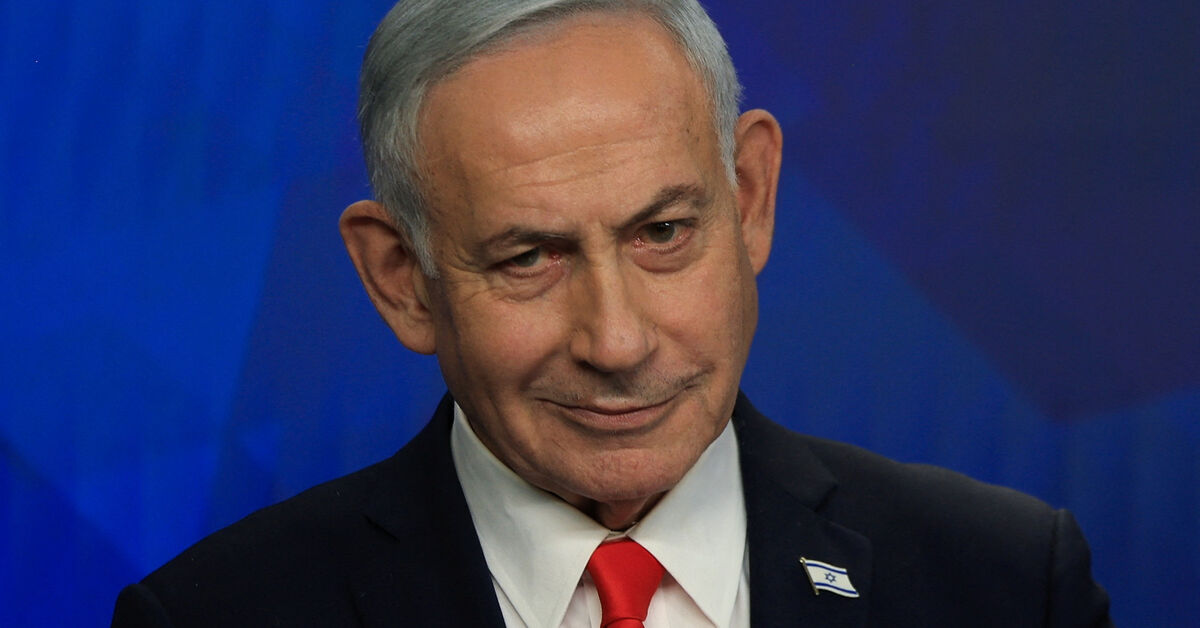
Israel, Lebanon agree to conditional ceasefire
Israel and Lebanon agreed to a conditional ceasefire tied to Hezbollah stopping fire, but strikes and rocket fire continued the same day.
Intelligence analysis by GPT-5.4 Mini
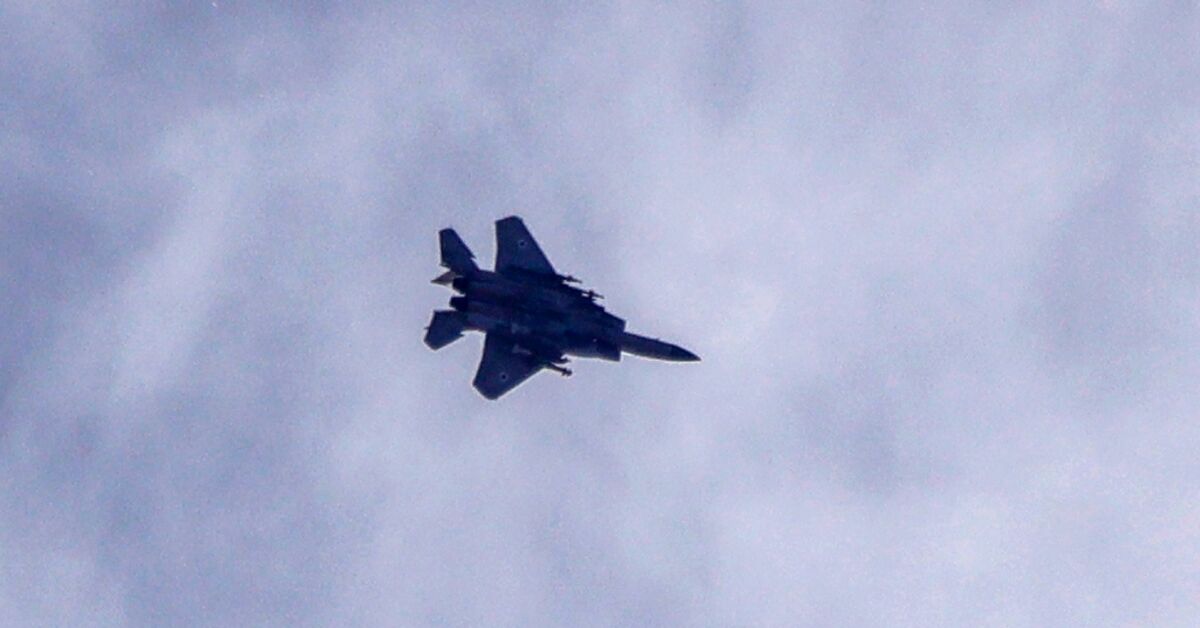
US-led talks in Washington produced a joint statement for a ceasefire and pilot zones under Lebanese army control. The deal is still conditional on Hezbollah ending attacks and pulling back from south Lebanon, while fighting continued on the ground.
Two neighbors said they might stop fighting, but only if one side puts its weapons away first and moves out of the yard. The trouble is that both sides were still throwing stones the same day, so the truce is more like a shaky promise than a finished peace.
Analysis
What was agreed
Israel and Lebanon said they would implement a ceasefire after US-led talks in Washington, but only on condition that Hezbollah makes a “complete cessation” of fire. The joint statement also says Hezbollah operatives must leave southern Lebanon and that the Lebanese armed forces will take exclusive control of “pilot zones” there, excluding non-state actors.
Why the deal remains fragile
The agreement did not come in a calm moment. The article says cross-border attacks continued earlier in the day, with Hezbollah claiming to hit Israeli troops and Israeli strikes killing at least nine people in southern Lebanon. The Israeli military also said it intercepted a hostile aircraft and two projectiles from Lebanon, while Hezbollah said it acted “in response” to Israel’s alleged violation of the ceasefire.
The talks were the fourth round of direct meetings between Lebanese and Israeli diplomats since fighting resumed on March 2, when Hezbollah renewed attacks against Israel in support of Iran. Both sides are scheduled to meet again the week of June 22, with the stated aim of reaching a comprehensive agreement.
Wider context
The article shows how the Lebanon front is tangled with the Iran-Israel conflict. President Donald Trump said he wanted to separate talks on Lebanon from the war with Iran, while Iran’s foreign minister warned that any attack on Beirut would trigger a “full-scale resumption” of war. On the ground, Israeli strikes continued across southern Lebanon, including attacks that the Lebanese health ministry said killed paramedics and a soldier. The ceasefire framework exists, but the fighting and mutual accusations make clear that implementation is far from guaranteed.
Key points
- Israel and Lebanon said a ceasefire would depend on Hezbollah fully stopping its fire.
- The statement calls for Lebanese army control of pilot zones in southern Lebanon.
- Fighting continued during the talks, including Israeli strikes and Hezbollah rocket fire claims.
- Both sides plan another round of talks the week of June 22.
- The article frames the conflict as tied to the wider Israel-Iran confrontation.
If both sides follow through, the joint statement could open the door to a broader stop in fighting and a clearer role for the Lebanese army in the south. The planned meeting the week of June 22 suggests there is still a diplomatic track to build on.
The ceasefire may fail quickly if either side says the other has violated it, which already happened in earlier truce efforts. Continued strikes, rocket fire, and the involvement of Hezbollah and Iran leave little room for a stable pause without real enforcement.