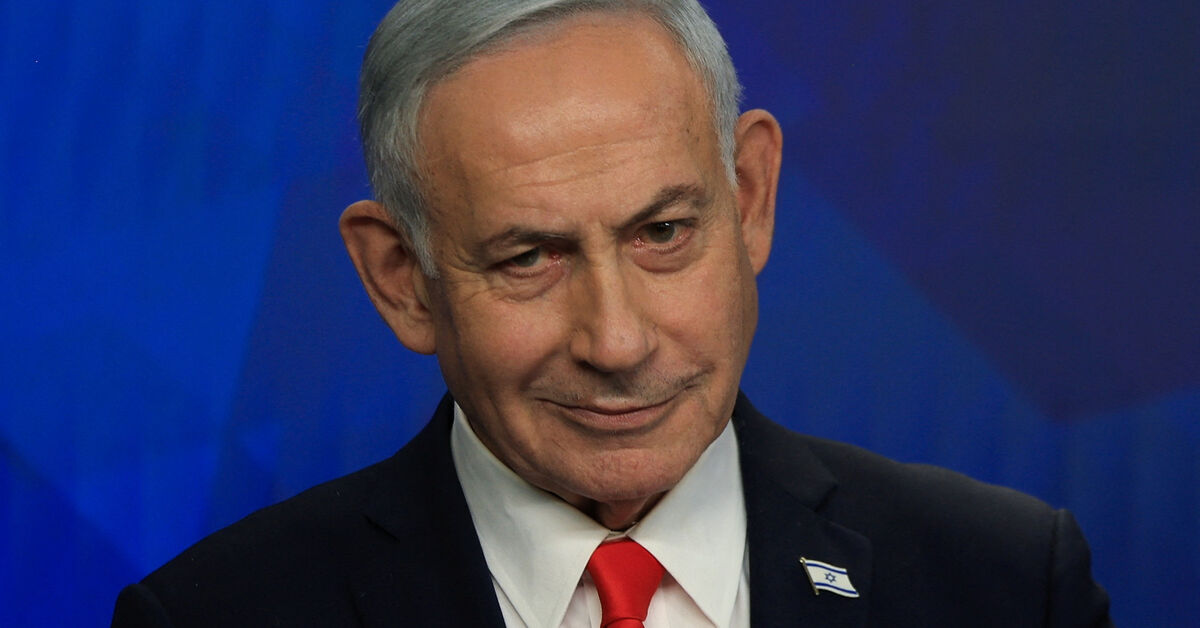
Israel to continue operations in Lebanon for now despite ceasefire, defence minister says
Israel says it will keep operating in southern Lebanon and block displaced residents from returning, despite a U.S.-backed ceasefire deal.
Intelligence analysis by GPT-5.4 Mini
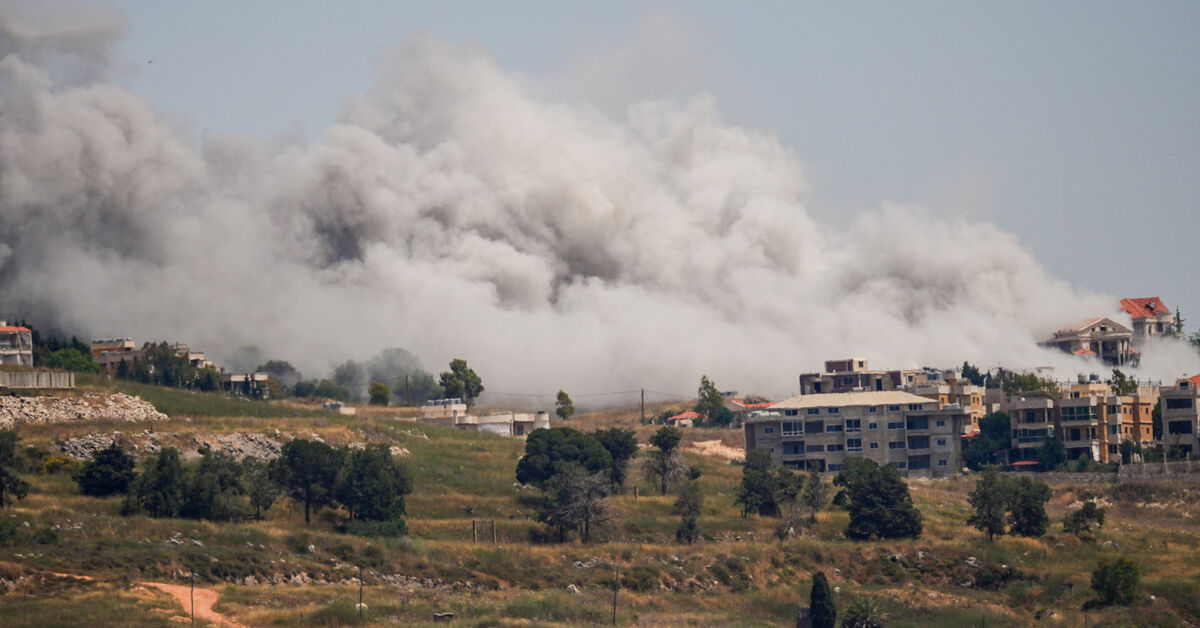
Defence Minister Israel Katz said Israeli troops will stay in a security zone in southern Lebanon and keep dismantling what he called terrorist infrastructure. The comments came one day after Lebanon and Israel agreed to implement a ceasefire, pending a halt in fire from Hezbollah.
Israel said it is not ready to stop moving its soldiers in southern Lebanon yet, even though a ceasefire was agreed. It is like two kids agreeing to stop fighting, but one still keeps standing in the doorway and saying the game is not over.
Analysis
What Israel said
Israel will keep ground operations going in southern Lebanon “for the time being,” according to Defence Minister Israel Katz. He said residents forced out of their homes by Israel would not be allowed to return yet, and that Israeli troops would stay in a security zone in the south, including around Beaufort Castle, which Israel said it captured on Saturday.
How this fits the ceasefire
The comments came a day after Lebanon and Israel agreed to implement a new U.S.-backed ceasefire in Lebanon during talks in Washington. That deal, however, depends on a cessation of fire from Hezbollah. The article notes that the two sides had already agreed to a ceasefire in April, later extended in May, but violence continued anyway.
What Israel says it will do next
Katz said Israel would continue to “dismantle terrorist infrastructure” in the area. He also said Israel would retain “freedom of action,” with U.S. backing, to strike in Beirut if there are attacks on Israeli communities and territory. The framing suggests Israel sees the ceasefire as conditional and limited rather than a full pullback.
Broader read
The story points to a ceasefire arrangement that exists on paper but is still vulnerable to continued military action and retaliation. For civilians who fled southern Lebanon, the immediate implication is that return remains blocked. For the wider border conflict, the risk is that the ceasefire does not produce a real de-escalation unless both sides stop firing and enforcement holds.
Key points
- Israel says it will keep operating in southern Lebanon despite the new ceasefire agreement.
- Defence Minister Israel Katz said displaced Lebanese residents will not yet be able to return home.
- Israeli troops will remain in a security zone, including around Beaufort Castle, according to Katz.
- The ceasefire depends on a halt in fire from Hezbollah, but violence has continued despite earlier agreements.
- Katz said Israel would keep the ability to strike in Beirut if Israeli targets are attacked.
If the ceasefire holds and Hezbollah stops firing, the agreement could still create space for a broader halt in violence. That could eventually allow civilians displaced from southern Lebanon to return home and reduce cross-border attacks.
If Israel keeps operating on the ground while Hezbollah or others respond, the ceasefire could unravel quickly. Continued strikes and restrictions on return would keep displacement and insecurity in place, and could widen the conflict again.