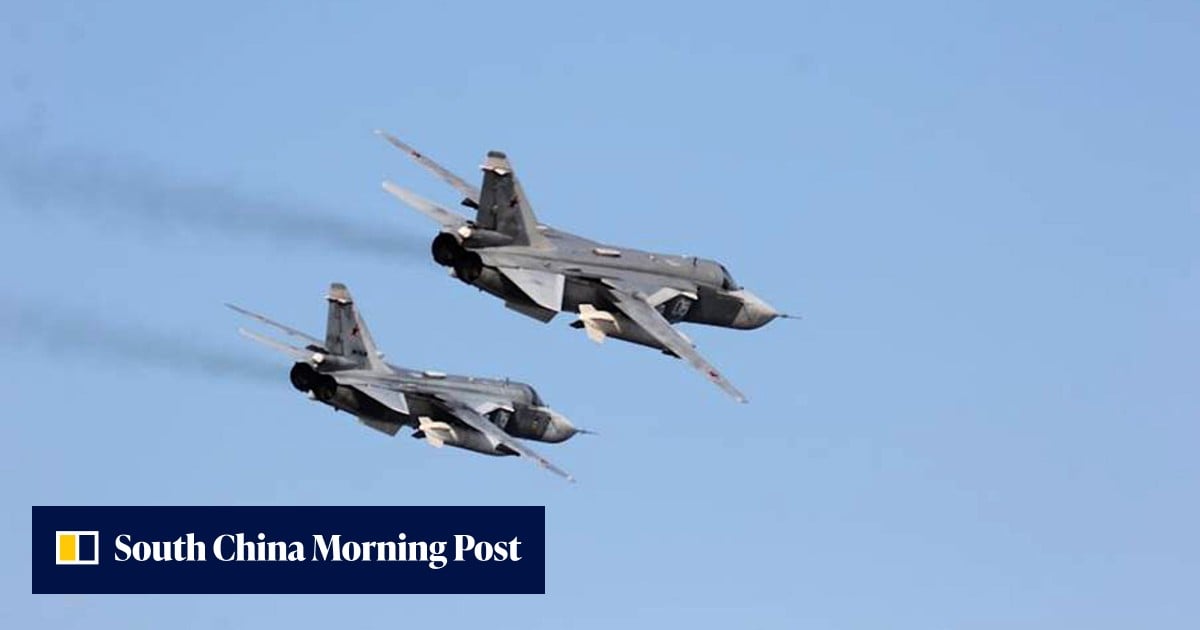
Israeli air strikes on Lebanon kill 11 people in another test to truce
Israeli air strikes on southern Lebanon killed at least 11 people on Saturday, in the deadliest attacks since a truce between Israel and Hezbollah went into effect on June 20.
Intelligence analysis by Llama
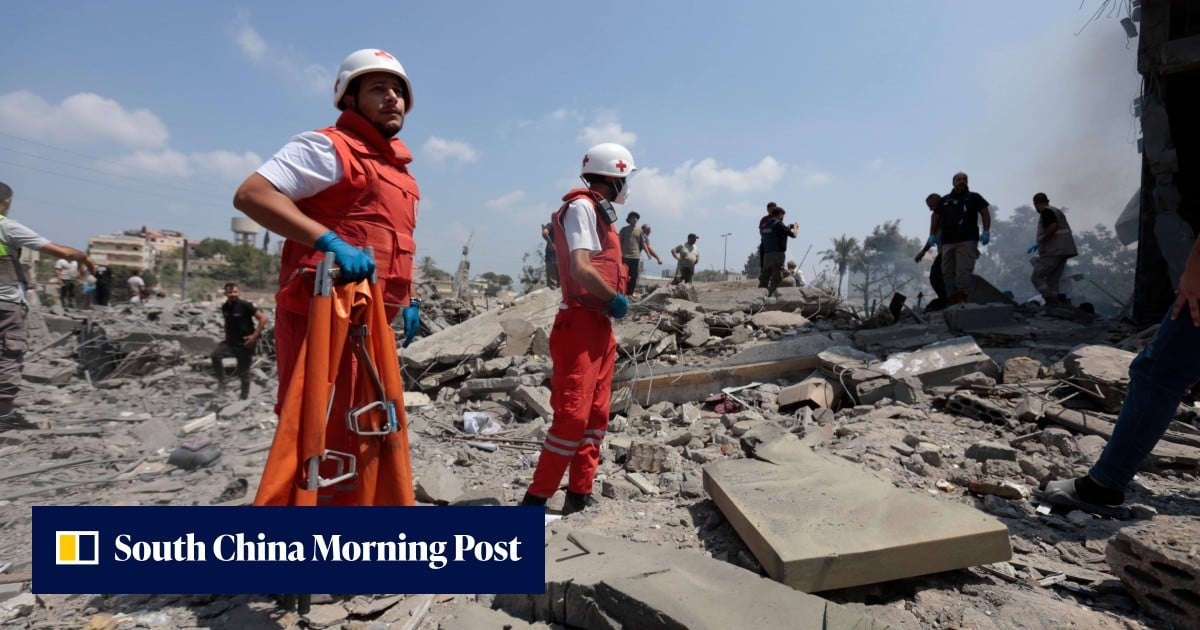
The attacks are the deadliest since the ceasefire that went into effect in June. Israel and Hezbollah have been at odds over the disarmament of the militant group.
Imagine you're living in a neighborhood where there's a big argument between two families. The families have agreed to a truce, but one of them keeps breaking the rules and causing trouble. That's kind of what's happening in Lebanon right now, where Israel and Hezbollah are at odds over a ceasefire agreement. The air strikes are like the troublemaker family causing problems and making it hard for the other family to follow the rules.
Analysis
Ceasefire Challenges
The recent air strikes on southern Lebanon are a stark reminder of the challenges in implementing the ceasefire agreement between Israel and Hezbollah. The agreement, which went into effect on June 20, aims to establish a framework for Israeli forces to withdraw from southern Lebanon in exchange for the disarmament of the Iran-backed Hezbollah militant group.
The attacks are the deadliest since the ceasefire, and have raised concerns about the stability of the region. Lebanese Prime Minister Nawaf Salam has criticised Israel's air strikes, saying they intimidate 'residents in their homes' and undermine efforts to stabilise the situation in the south.
The ceasefire agreement has been met with resistance from Hezbollah, which has refused direct talks and was not party to the deal. The militant group has maintained its stance that it will not disarm until Israel withdraws from southern Lebanon.
The situation remains volatile, with both sides dug in and unwilling to compromise. The air strikes are a clear indication that the ceasefire is not holding, and that the underlying issues remain unresolved.
Truce Framework
The ceasefire agreement, which was announced on June 26, lays out a plan for Israeli forces to withdraw from southern Lebanon in exchange for the disarmament of Hezbollah. The agreement envisions steps towards an eventual peace agreement between the countries, which remain technically at war nearly 80 years after Israel's establishment.
The agreement has been met with skepticism by many, who question its feasibility and the willingness of both sides to implement it. The air strikes have only added to the concerns, and it remains to be seen whether the ceasefire will hold.
Regional Implications
The air strikes have regional implications, with many countries in the Middle East watching the situation closely. The United States, in particular, has been involved in efforts to broker a peace agreement between Israel and Hezbollah, and has been a key player in the ceasefire negotiations.
The situation in Lebanon is also closely tied to the broader regional dynamics, with many countries in the region having a stake in the outcome. The air strikes have only added to the tensions, and it remains to be seen how the situation will unfold.
Key points
- Israeli air strikes on southern Lebanon killed at least 11 people on Saturday, in the deadliest attacks since a truce between Israel and Hezbollah went into effect on June 20.
- The attacks have raised concerns about the stability of the region and the willingness of both sides to implement the ceasefire agreement.
- Hezbollah has refused direct talks and was not party to the ceasefire agreement, and has maintained its stance that it will not disarm until Israel withdraws from southern Lebanon.
If the ceasefire agreement holds, it could lead to a significant reduction in violence and a more stable situation in the region. However, the air strikes have raised concerns about the willingness of both sides to implement the agreement, and it remains to be seen whether the ceasefire will hold.
The air strikes have highlighted the ongoing tensions between Israel and Hezbollah, and the challenges in implementing the ceasefire agreement. If the situation continues to deteriorate, it could lead to a wider conflict and a more unstable region.