Israeli elections: how they work and who is in the race
Israel is set to hold a national election on October 27, the first since the October 7, 2023 Hamas attack, with polls predicting a defeat for Prime Minister Benjamin Netanyahu amidst a complex, fragmented political system.
Intelligence analysis by Gemini 2.5 Flash
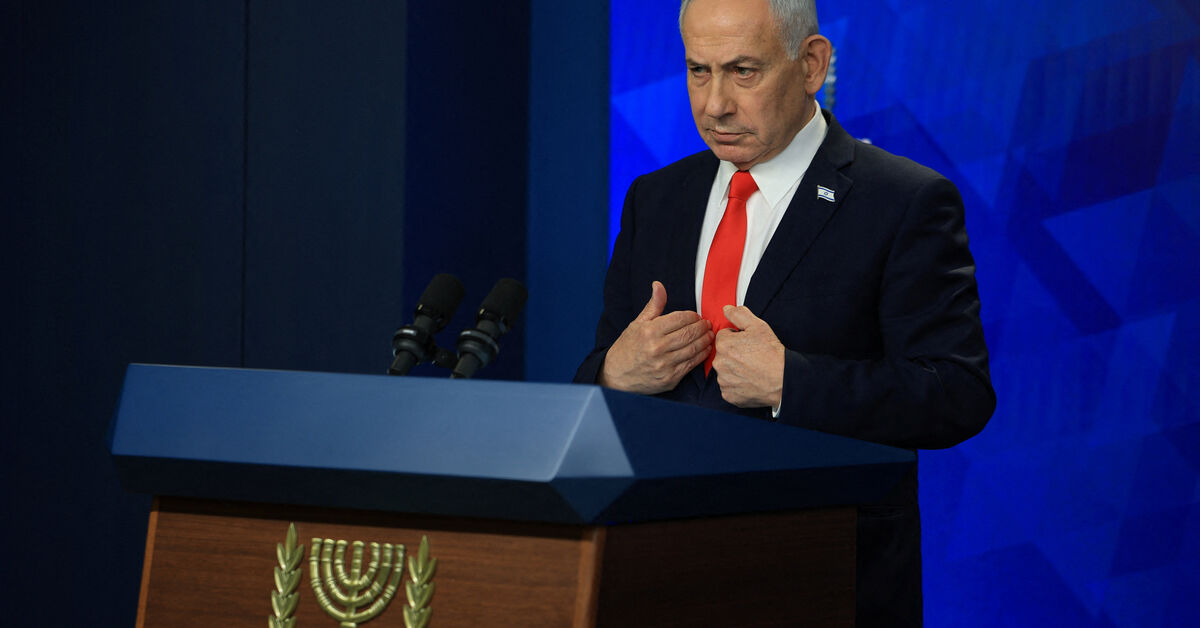
The upcoming Israeli election is framed by the aftermath of the October 7 attacks, which have significantly eroded public trust in Prime Minister Netanyahu's leadership and security credentials. While polls suggest a potential loss for Netanyahu, the fragmented nature of Israeli politics means no clear path to power for his rivals, setting the stage for potentially complex coalition n…
Imagine Israel is trying to pick a captain for a very important sports team, but instead of just one person, they have to pick a whole group of players who agree to work together. After a big, scary event (like a tough game), many people aren't happy with the current captain, Mr. Netanyahu. But because there are so many different players with different ideas, it's hard for any one new player to get enough friends to form a new team. So, they'll have an election to see which groups of players can team up to lead the country.
Analysis
The Electoral Landscape Post-October 7
Israel's political system, characterized by proportional representation in the 120-seat Knesset, inherently leads to coalition governments, as no single party has ever secured an outright majority. This structural reality means that even with clear polling trends, the path to forming a stable government is often fraught with negotiations and compromises among numerous parties. The upcoming October 27 election is particularly significant as it marks the first national vote since the devastating October 7, 2023 Hamas attack, an event that profoundly reshaped public sentiment and political discourse.
The attacks shattered Prime Minister Benjamin Netanyahu's long-held image as a guarantor of security, leading to a significant decline in his approval ratings. While the public has largely supported the subsequent military operations in Gaza, Lebanon, and against Iran, trust in Netanyahu's leadership has plummeted. His government's domestic policies, particularly on religion and state, have also drawn considerable unpopularity, further complicating his electoral prospects. The fragmented nature of the political landscape, however, means that while Netanyahu faces a predicted defeat, his rivals also lack a clear, unified path to forming a government.
Key Contenders and Their Challenges
Benjamin Netanyahu, Israel's longest-serving leader, is renowned for his political resilience, yet he faces formidable opposition. His main rivals include former military chief Gadi Eisenkot, who has gained significant traction by projecting an image as a political outsider and security hawk, contrasting sharply with Netanyahu's long tenure and ongoing corruption cases. Eisenkot's personal sacrifice, having lost a son in Gaza, resonates deeply with a public seeking strong, principled leadership in a time of war.
Other significant figures include former Prime Ministers Naftali Bennett and Yair Lapid, who previously formed an unlikely alliance that ousted Netanyahu in 2021, demonstrating the potential for diverse parties to unite against him. Their previous government, which included an Islamist Arab party, lasted 18 months, highlighting the inherent fragility of such broad coalitions. Former defense minister Avigdor Lieberman, a one-time Netanyahu ally turned fierce critic, also remains a key player, appealing to a hawkish base and the ex-Soviet immigrant community. The political landscape is fluid, with parties having until September to finalize their candidate lists, suggesting potential mergers or new entrants that could further shift dynamics.
The Enduring Power of Coalitions
Israel's electoral system, where parties must cross a 3.25% national vote threshold to gain Knesset seats, ensures that smaller parties wield disproportionate influence in government formation. Since no single party can win a majority, the ability to form a coalition hinges on securing the support of these smaller factions, often leading to significant concessions on policy or ministerial appointments. This dynamic has historically resulted in short-lived governments and cycles of repeated elections, as seen between 2019 and 2022.
Prime ministers, including Netanyahu, have frequently relied on ultra-Orthodox Jewish parties for their political survival. The demands of these parties, such as exemptions from compulsory military service for their community, become highly contentious, especially during wartime, exacerbating societal divisions. The upcoming election will test whether a new coalition can emerge that is both stable and capable of addressing the profound security, social, and political challenges facing Israel in the wake of the October 7 attacks, or if the country will once again be plunged into political instability.
Key points
- Israel is scheduled to hold a national election on October 27, the first since the October 7, 2023 Hamas attack.
- Polls indicate Prime Minister Benjamin Netanyahu is likely to lose, with public trust in his leadership significantly eroded post-October 7.
- Israel's parliamentary system requires coalition governments, as no single party has ever won an outright majority in the 120-seat Knesset.
- Key rivals to Netanyahu include former military chief Gadi Eisenkot, and former Prime Ministers Naftali Bennett and Yair Lapid.
- Small parties hold significant sway in coalition formation, often leading to concessions on contentious issues like military service exemptions for ultra-Orthodox communities.
A new, stable coalition government could emerge from the election, capable of uniting the country, effectively addressing the security challenges post-October 7, and implementing policies that foster national cohesion and long-term stability.
The election could lead to further political fragmentation and an inability to form a stable government, potentially resulting in another cycle of short-lived coalitions and continued political deadlock during a critical period for Israel's security and society.