Israeli rule change clears way for using crocodiles to deter prison breaks
Israeli Environmental Protection Minister Idit Silman has reclassified crocodiles from wild animals to 'captive-bred wildlife', a move that clears the way for the reptiles to be used for security purposes, including to deter prison escapes.
Intelligence analysis by Llama
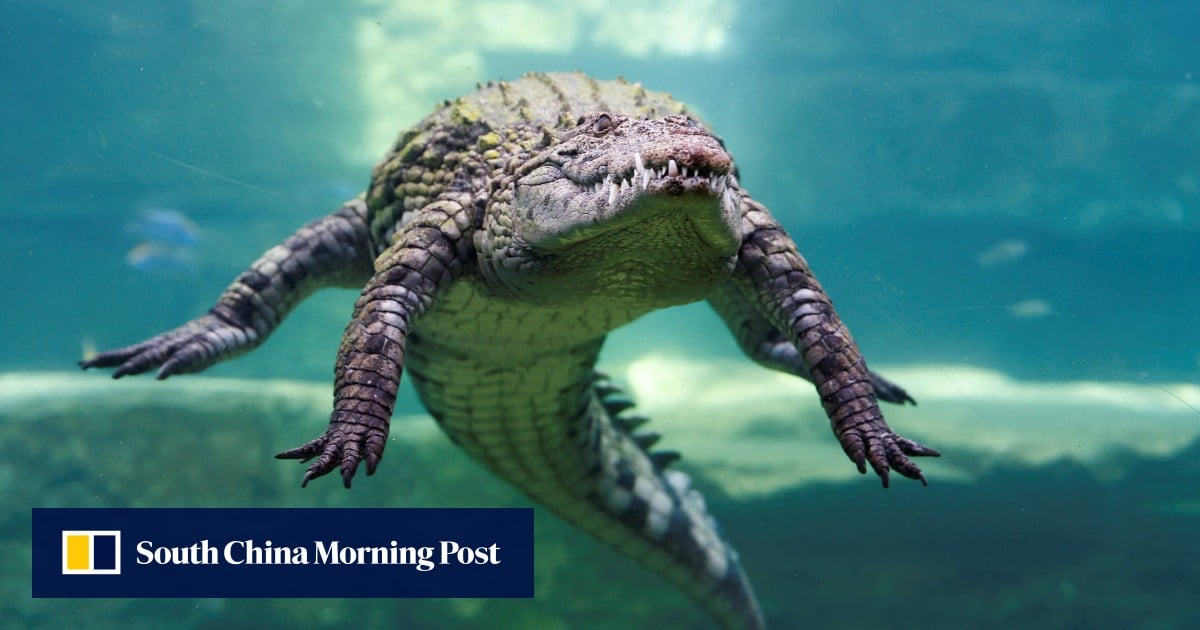
Israeli Minister Idit Silman has reclassified crocodiles, allowing them to be used for security purposes, including deterring prison escapes. National Security Minister Itamar Ben Gvir has welcomed the decision, suggesting the use of crocodiles to surround prisons.
Imagine you're in a prison, and you're thinking of escaping. But then you see a big, scary crocodile guarding the walls. That's what Israel is planning to do to stop prisoners from escaping. They're reclassifying crocodiles as 'captive-bred wildlife', which means they can be used for security purposes. But some people are worried about how the crocodiles will be treated and whether it's fair to use them to keep people in prison.
Analysis
A New Era in Prison Security: The Rise of Crocodiles in Israel's Prisons
The recent reclassification of crocodiles by Israeli Environmental Protection Minister Idit Silman has sent shockwaves through the country's prison system. The move, which transfers oversight of the animals from the Israel Nature and Parks Authority to a security body, has been welcomed by National Security Minister Itamar Ben Gvir. Ben Gvir, who has been a vocal proponent of using crocodiles to surround prisons, sees this as a major victory in his efforts to enhance prison security.
The idea of using crocodiles to deter prison escapes is not new. In fact, it has been floated by Ben Gvir in the past, with the far-right minister even proposing a facility for Palestinian detainees similar to Florida's 'Alligator Alcatraz' immigration detention facility. However, the reclassification of crocodiles has given new life to this idea, and it is now being seriously considered by prison officials.
But while the use of crocodiles may seem like a novel solution to the problem of prison escapes, it raises significant concerns about animal welfare and the ethics of using wild animals for security purposes. Critics argue that the use of crocodiles would be inhumane and would likely result in the deaths of both the animals and the prisoners.
As the Israeli government continues to explore the use of crocodiles in its prisons, it is clear that this is a complex issue with no easy answers. While the use of crocodiles may provide a short-term solution to the problem of prison escapes, it is unlikely to address the underlying issues that lead to these incidents. Instead, it may only serve to further exacerbate the problem, leading to more violence and instability in the prison system.
The Ethics of Using Wild Animals for Security Purposes
The use of crocodiles in prisons raises significant ethical concerns. While the idea of using wild animals to deter prison escapes may seem like a novel solution, it is a practice that has been widely criticized by animal welfare organizations and experts. The use of wild animals for security purposes is inhumane and would likely result in the deaths of both the animals and the prisoners.
In addition to the ethical concerns, the use of crocodiles also raises practical questions about animal welfare and the logistics of caring for these animals in a prison setting. For example, how would the animals be cared for and fed? How would they be housed and secured? These are just a few of the many questions that need to be answered before the use of crocodiles in prisons can be considered.
The Road Ahead: A Complex Issue with No Easy Answers
As the Israeli government continues to explore the use of crocodiles in its prisons, it is clear that this is a complex issue with no easy answers. While the use of crocodiles may provide a short-term solution to the problem of prison escapes, it is unlikely to address the underlying issues that lead to these incidents. Instead, it may only serve to further exacerbate the problem, leading to more violence and instability in the prison system.
In conclusion, the use of crocodiles in prisons is a complex issue that raises significant ethical and practical concerns. While the idea of using wild animals to deter prison escapes may seem like a novel solution, it is a practice that has been widely criticized by animal welfare organizations and experts. As the Israeli government continues to explore this option, it is essential that they carefully consider the implications of their decision and prioritize the welfare of both the animals and the prisoners.
Key points
- Israeli Environmental Protection Minister Idit Silman has reclassified crocodiles from wild animals to 'captive-bred wildlife'.
- The move clears the way for the reptiles to be used for security purposes, including to deter prison escapes.
- National Security Minister Itamar Ben Gvir has welcomed the decision and suggested the use of crocodiles to surround prisons.
- The use of crocodiles raises significant concerns about animal welfare and the ethics of using wild animals for security purposes.
The use of crocodiles in prisons could potentially reduce the number of prison escapes and improve security. However, it is essential that the welfare of both the animals and the prisoners is prioritized. If implemented correctly, this could be a positive development for the Israeli prison system.
The use of crocodiles in prisons raises significant concerns about animal welfare and the ethics of using wild animals for security purposes. If not implemented correctly, this could lead to more violence and instability in the prison system, as well as the deaths of both the animals and the prisoners.