It is by the grace of God that you find a diamond
Lab-grown diamonds have pushed down natural diamond prices, hurting Sierra Leone’s Kono region and helping force a major mine closure.
Intelligence analysis by GPT-5.4 Mini
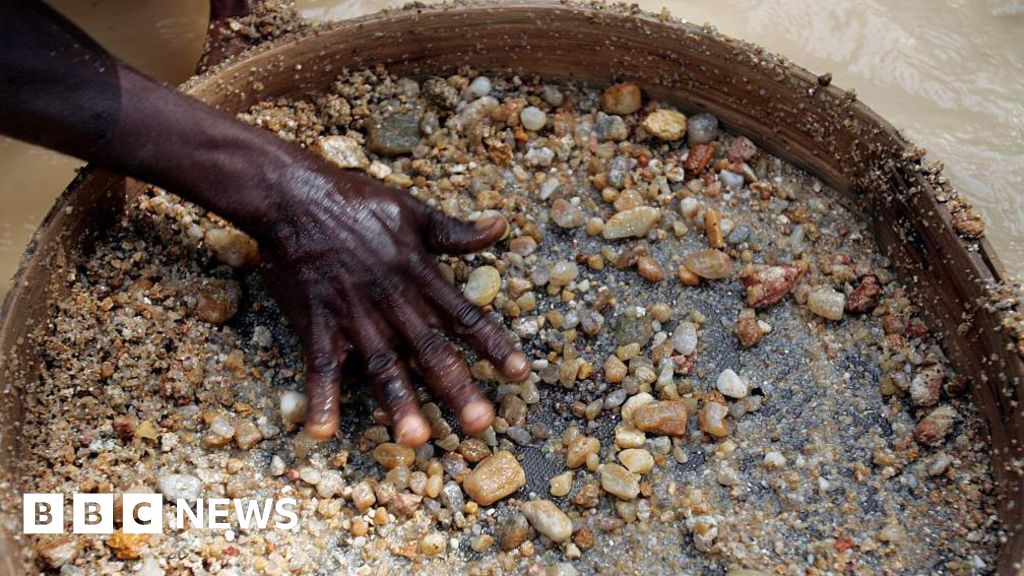
In Sierra Leone’s diamond region, miners are digging more informally as the global market for natural stones weakens. The article ties local hardship to the rise of cheaper lab-grown diamonds and the closure of the country’s biggest mine.
Natural diamonds are like rare pebbles people dug from the ground, but now factories can make almost the same thing much more cheaply. That makes the old diamonds harder to sell, so miners in Sierra Leone are earning less and digging more with hope than with certainty.
Analysis
Market pressure
The article says retail prices for polished natural diamonds have fallen about 40% over the past four years. A main reason is the rapid growth of lab-grown diamonds, which are chemically and physically the same as mined stones but are made in factories, mostly in India and China, using HPHT and CVD methods. The source says they can cost up to 70% less.
Local fallout in Kono
In Sierra Leone’s Kono region, that price drop has hit miners, traders, and local activity. The country’s biggest mine, Koidu Holdings, closed after a bitter dispute over pay, cutting about 1,000 jobs. The article says the company cited the cost of the dispute and security concerns, while insiders also saw weak global market conditions as a factor.
A fragile industry
Diamond mining has shaped Kono for decades, but the article reminds readers that it also sits inside a painful history. The region was central to Sierra Leone’s civil war, and the diamond trade has long carried reputational damage because of conflict stones. The Kimberley Process was created to keep those stones out of the mainstream market, but the industry still struggles with trust.
Attempts to respond
De Beers is trying to rebuild confidence through Gemfair, a project in Sierra Leone that offers artisanal miners equipment, training, and more transparent pricing. The company also wants retailers to tell the origin story of each diamond they sell. That suggests one possible path forward: traceability and fairer sourcing may help some miners stay connected to the formal market, even if the broader price pressure remains.
Key points
- Natural diamond prices have fallen sharply as lab-grown stones have grown in popularity.
- Sierra Leone’s biggest diamond mine closed after an industrial dispute and thousands of jobs were affected.
- Kono’s informal miners now search for small finds with little certainty of income.
- De Beers is promoting Gemfair as a more transparent sourcing model for artisanal miners.
- The diamond trade still carries the shadow of Sierra Leone’s civil-war history.
If traceable sourcing schemes like Gemfair grow, artisanal miners could get better prices, training, and more reliable access to buyers. Consumer interest in knowing where a diamond comes from could also give ethically sourced natural stones a stronger place in the market.
If lab-grown diamonds keep taking market share, natural diamond prices could stay weak and leave more miners with thin or no profits. The closure of large mines could push even more people into informal digging, while local earnings and investment remain under pressure.