‘It’s getting hotter and it’s not stopping’: dealing with the heat in five of Europe’s capitals
A May heatwave pushed Madrid, Paris, London, Dublin and Berlin into unusually hot weather, with locals and tourists adapting on the fly.
Intelligence analysis by GPT-5.4 Mini
The Guardian reports from five European capitals where unseasonable May heat has made streets, apartments and outdoor plans uncomfortable or unworkable. Residents and visitors describe coping with shade, water and air conditioning while worrying the heat is arriving earlier each year.
A big patch of hot air sat over parts of Europe and made late spring feel like summer. People in big cities had to look for shade, water and air conditioning just to get through the day.
In Madrid, Paris and other capitals, tourists and locals changed their plans because walking around in the sun felt too hard. Some stayed under trees or in the shade of buildings, like animals hiding under a cool rock on a hot day.
The story says this is not just a one-off hot spell. It is another sign that the weather is getting more extreme, and that cities may need to get used to more days like this.
Analysis
What happened
The article looks at a burst of unusually hot weather across parts of Europe in late May 2026. France’s weather service said the heat was caused by a “heat dome,” with a high-pressure system trapping warmth and pushing temperatures more than 10C above what is normally expected for the time of year.
How people are coping
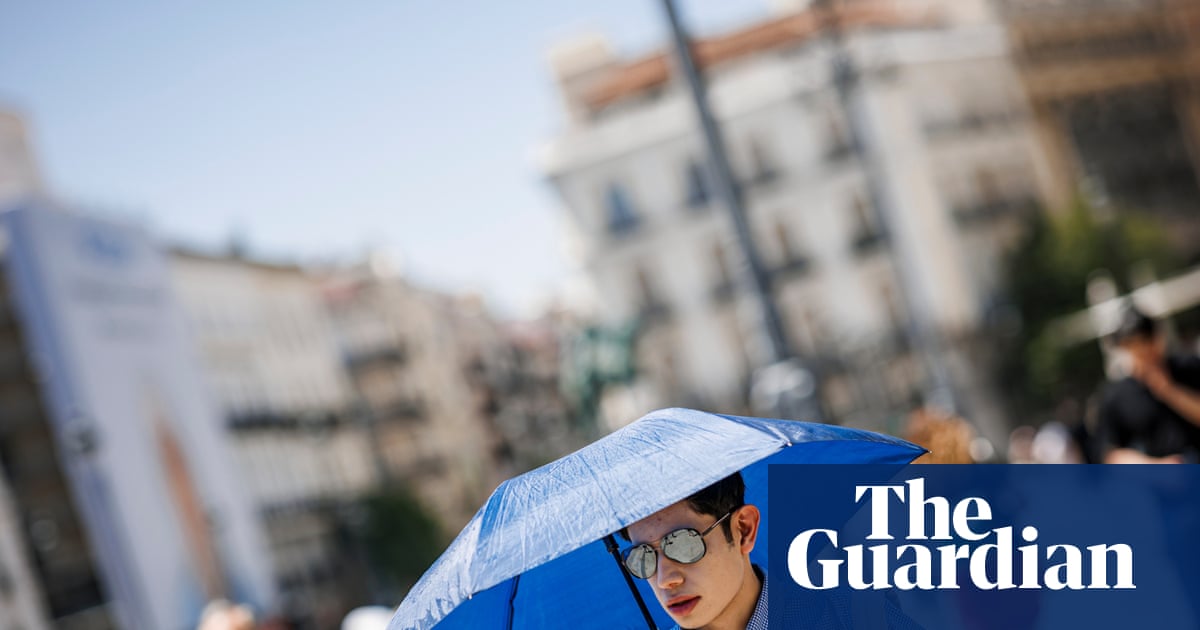
Guardian reporters spoke to people in Madrid, Paris, London, Dublin and Berlin. In Madrid, tourists and workers tried to stay in the shade, with one street vendor saying the heat seems to arrive earlier each year. Visitors said they had packed for cooler weather, while others leaned on hotel air conditioning, water and avoiding strenuous plans such as hikes. In Paris, people moved to fountains, trees and historic arcades to escape the heat, and some said their small apartments felt oppressive at the top of the building.
The broader framing
The article ties the immediate discomfort to climate breakdown, saying human-caused warming is intensifying extreme weather and making heat arrive at unusual times and places. The reporting is not about policy debate or market data; it is a snapshot of how rising temperatures are already changing daily routines in major European cities, especially for tourism, outdoor work and urban comfort.
Key points
- A heat dome drove temperatures well above normal across parts of Europe in late May.
- Guardian reporters found people in Madrid, Paris, London, Dublin and Berlin changing plans to cope with the heat.
- Tourists and locals relied on shade, fountains, water and air conditioning to get through the day.
- The article links the hot spell to climate breakdown and warns such extremes are becoming more common.
- The story suggests a growing practical burden for city life, tourism and outdoor work.