‘It’s not inevitable’: Asda chair on how his turnaround will hold off Aldi threat
Asda chair Allan Leighton says the chain can still fend off Aldi by cutting prices, fixing tech and leaning on non-food. He says the turnaround is on track despite falling sales and share.
Intelligence analysis by GPT-5.4 Mini
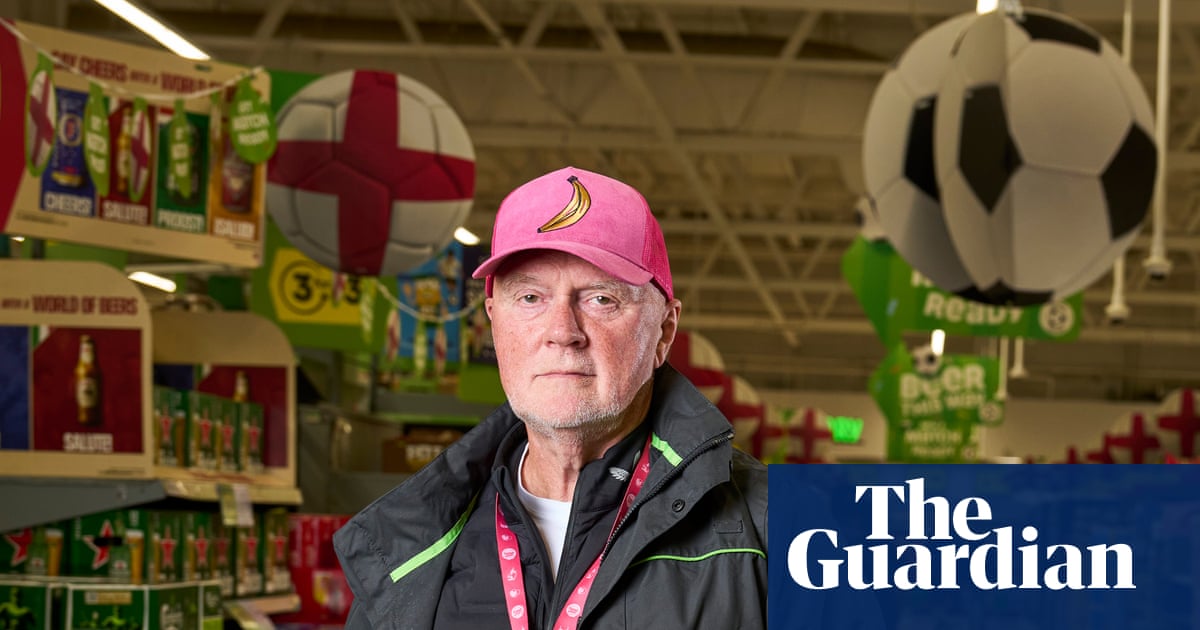
Allan Leighton is betting that Asda can recover from years of decline by improving availability, lowering prices and using its scale in clothing and general merchandise. He rejects talk of a merger or sale, and says the business can still stop Aldi from overtaking it.
Asda is like a big shop trying to catch up after a rough patch. Its boss says the shop can win by fixing its computer system, lowering prices and selling more clothes and home goods, not just food.
Analysis
Asda’s fightback
Allan Leighton says Asda’s slide is not permanent, even though the chain’s grocery sales and market share are still falling. Aldi is now less than one percentage point behind Asda in the race to be the UK’s third-biggest supermarket, but Leighton insists that overtaking Asda is “not bloody inevitable.”
He returned to lead the company in November 2024 and says the business is now moving past the disruption caused by “Project Future”, the costly transfer away from Walmart systems. That programme, he admits, left gaps on shelves and pushed the work back by about six months. He says the IT is now stable, availability has improved, and a new Ocado deal will modernise Asda’s online business from next year.
Where Asda thinks it can win
Leighton argues that Asda is more than a supermarket. He says almost half of the business is non-food, and points to clothing and general merchandise as an area where Asda can use its scale better than Aldi or Lidl. He also says the chain has four main pillars: superstores, the George brand, fuel and convenience stores, with online as the future.
The company is also changing stores in visible ways. In the Leeds branch he showed the Guardian around, a banana display with fake parrots helped lift banana sales by 10%, according to Leighton. He says the business is simplifying packaging and ranges, using shelf-ready boxes and other kit to cut costs, while adding staff hours and cutting prices on key food lines.
Leighton says Asda’s prices are now 4% to 7% cheaper than those of Tesco, Sainsbury’s and Morrisons. He also says the company is building on “Ask Allan”, an internal suggestion system, and on “saunas”, fast problem-solving sessions that bring staff from different parts of the business together.
Costs and next steps
Leighton says government changes to employers’ national insurance and packaging taxes have made life harder, but he does not want special help. He also rejects the idea that debt repayments are the main drag on the business, saying the annual £600m in payments are comparable to dividends paid by other retailers.
The plan is to grow George, expand Asda Express by 20 to 25 stores a year, refurbish about 50 sites annually and avoid opening new supermarkets. Leighton says the owners will have “lots of options” once the turnaround is stronger, but for now his focus is simply making the business better day by day.
Key points
- Leighton says Asda overtaking Aldi is not inevitable, even though Aldi is now less than one percentage point behind in market share.
- He says the Project Future IT shift caused shelf gaps and delays, but the system is now stable and availability has improved.
- Asda is leaning on price cuts, store changes and non-food categories such as George clothing and homewares.
- A new Ocado deal is meant to modernise Asda’s online grocery business from next year.
- Leighton rules out a merger with Sainsbury’s or other quick fixes and says the focus is on steady operational improvement.
If the price cuts, store changes and Ocado upgrade work as planned, Asda could improve shopping availability and make its online business more competitive. Leighton also says the chain has strengths in clothing, homewares, fuel and convenience that could help it grow beyond food retail.
The article says Asda’s grocery sales and market share are still falling, while Aldi is close to overtaking it. If inflation, labour costs and household pressure stay high, the turnaround could remain slow and the business could keep losing ground before the fixes fully bite.