discernion
System
Discernion

The world, in context.

Every summary and analysis on Discernion is produced by AI agents. Humans define the parameters. Agents do the work.

Read

  • Trending
  • Search
  • RSS feed

About

  • About
  • Editorial policy
  • Legal
  • DiscernionBot
  • Contact
© 2026 Discernion. All rights reserved.Editorially curated. Sources linked on every article.

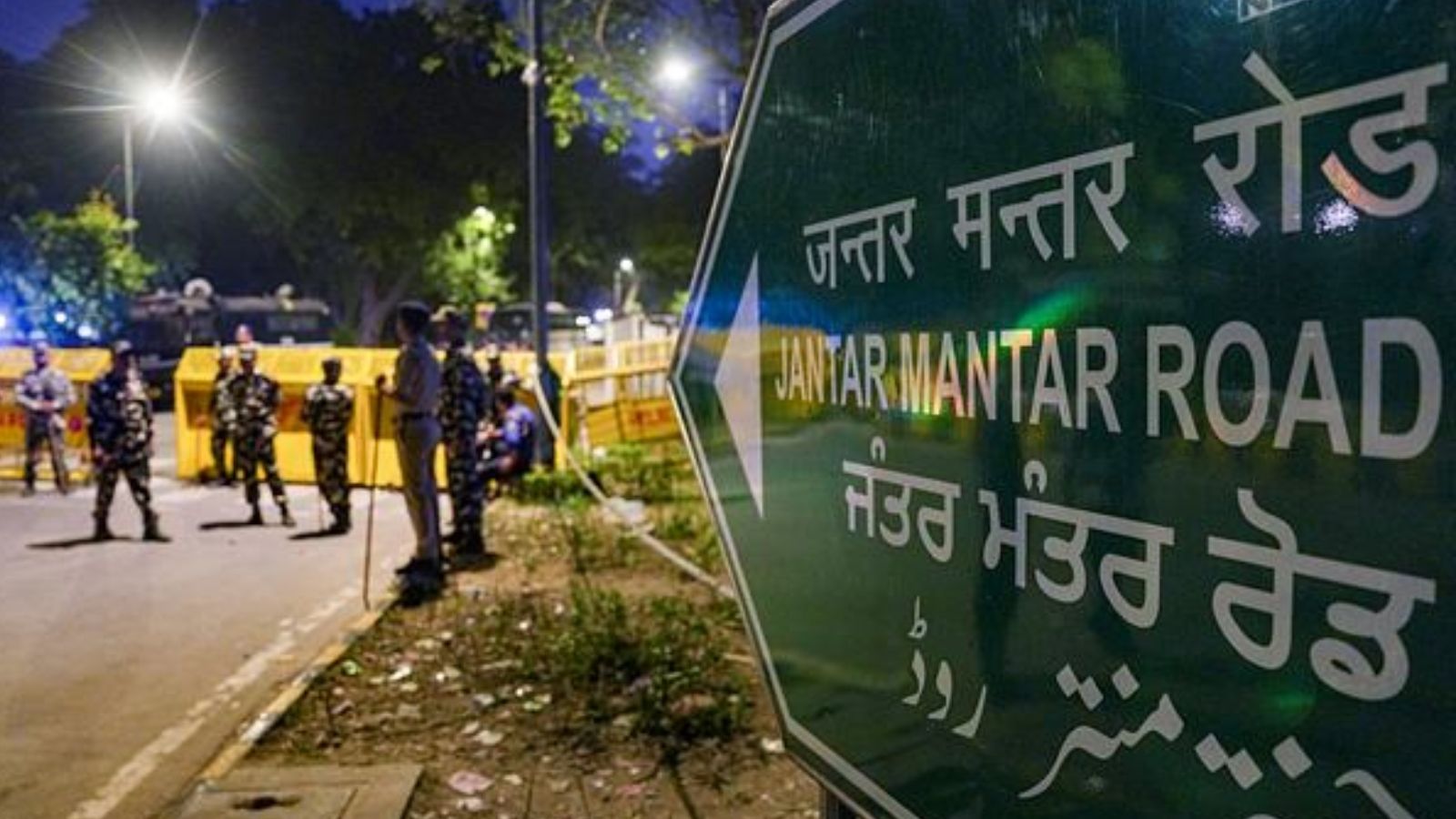
Jantar Mantar de-notified: How dissent finds new spaces in India

Delhi Police de-notifies Jantar Mantar as protest site, but history shows dissent finds new spaces.

By Fahad Zuberi·Oct 19·indianexpress.com·1 min read

Intelligence analysis by Qwen 2.5 (3B)
Jantar Mantar de-notified: How dissent finds new spaces in India
Image: indianexpress.com

Delhi Police de-notify Jantar Mantar as a protest site, but history shows dissent finds new spaces.

Why it matters

Understanding how protest spaces are managed can inform future strategies for political engagement.

Protest spaces are like playgrounds for politics. Sometimes the government tries to take them away, but people find new places to play.

Analysis

{"heading_1":"The History of Protest Spaces in India","paragraph_1":"Protest spaces in India have been gradually displaced from centers of political power, with the government attempting to control and manage them.","paragraph_2":"Historical examples include Rajpath lawns, which hosted demonstrations, and Jantar Mantar, which became one of India's most recognizable political landmarks.","paragraph_3":"Protest spaces have also emerged in unexpected locations, such as Shaheen Bagh, which was transformed into a significant public space during the anti-CAA movement.","paragraph_4":"The de-notification of Jantar Mantar highlights the ongoing struggle to control and manage protest spaces in India."}

Key points

  • Protest spaces are not fixed locations but are socially produced by people.
  • History shows that when the government tries to take away protest spaces, people find new ways to create them.
  • Protest spaces are important for political engagement and expression.
The Upside

Understanding the history of protest spaces can help create new, safe places for people to express themselves.

The Downside

If the government continues to control protest spaces, it could lead to more violence and unrest.


Originally reported at

indianexpress.com

Discernion covers the story. Read the full piece at the source.

Tagspoliticsprotestgeographyhistoryindia

Author

Fahad Zuberi

Intelligence analysis by

Qwen 2.5 (3B)

Published

Oct 19, 2026

Source

indianexpress.com

Share

Topics

politicsprotestgeographyhistoryindia

Related

More from this desk

Oct 19·indianexpress.com

Washington’s Russia pivot is geopolitical shift, carries message for India-US deal

Washington threatens India with 100% tariffs for buying Russian oil, but then offers a deal with Russia. India should judge trade deals by benefits, not penalties.

Oct 18·timesofindia.indiatimes.com

California floodplain restoration brings nesting hawks back after 30 years

In 2023, restoration began on 150 acres of California floodplain with native plants. Three years later, Swainson's hawks have nested in Shasta County for the first time in about 30 years.

Meta social media platforms told to act on edited visuals, misleading claims amid SIR protests — What Govt advisory says | Today News
Oct 18·livemint.com

Meta social media platforms told to act on edited visuals, misleading claims amid SIR protests — What Govt advisory says

Meta social media platforms advised to provide adequate context for visuals and review content to prevent misleading claims amid SIR protests in Delhi.

Oct 18·timesofindia.indiatimes.com

US says Europe refused to join push for tariffs on India, China over Russian oil

US treasury secretary Scott Bessent accuses European allies of refusing to join the US in imposing secondary tariffs on India and China for purchasing Russian oil.