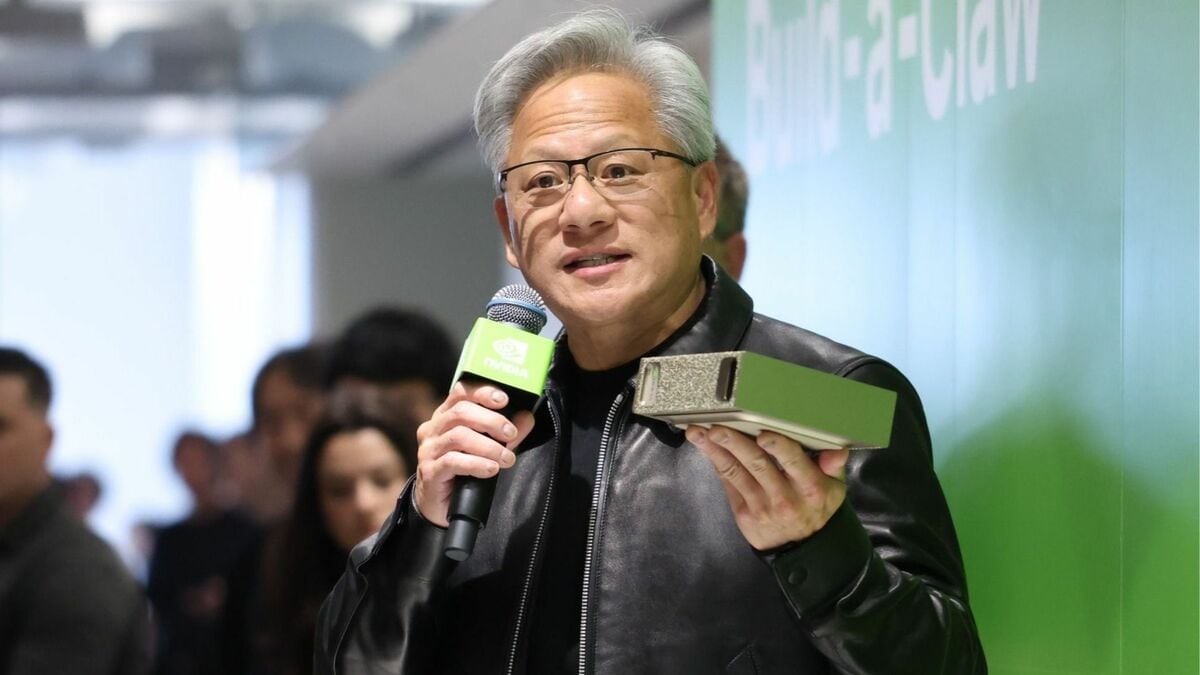
Japan to buy Nvidia Rubin chips to build an AI for robots
Japan is planning to buy 27,500 next-generation Rubin chips from Nvidia to build a homegrown foundational AI model for robots. The endeavor will be overseen by newly established Noetra, which has been allocated ¥387.3 billion ($2.4 billion) from government coffers through…
Intelligence analysis by Llama
Japan is planning to build a homegrown AI model for robots using 27,500 next-generation Rubin chips from Nvidia. The endeavor will be overseen by newly established Noetra, which has been allocated ¥387.3 billion ($2.4 billion) from government coffers.
Imagine you have a robot that can help you with tasks around the house. Japan is trying to build a special computer brain for this robot using a new type of chip called the Rubin chip. This computer brain will help the robot learn and make decisions on its own.
Analysis
A $60B Vote of Confidence
Japan's decision to buy 27,500 next-generation Rubin chips from Nvidia is a significant vote of confidence in the country's ability to build a homegrown AI model for robots. The endeavor will be overseen by newly established Noetra, which has been allocated ¥387.3 billion ($2.4 billion) from government coffers through March of next year. This investment is a testament to Japan's commitment to developing its own AI capabilities, rather than relying on foreign technology.
Why Cursor?
One of the key reasons behind Japan's decision to build a homegrown AI model for robots is the need for a more robust and secure AI system. The current reliance on foreign technology has raised concerns about data security and the potential for AI systems to be compromised by malicious actors. By building its own AI model, Japan can ensure that its AI systems are secure and reliable.
The Road Ahead
The development of a homegrown AI model for robots is a significant undertaking that will require significant investment and resources. However, the potential benefits are substantial, including the creation of new jobs and industries, and the enhancement of Japan's global competitiveness. The success of this endeavor will depend on the ability of Japanese companies and researchers to work together effectively and to overcome the technical challenges associated with building a complex AI system.
Key points
- Japan is planning to buy 27,500 next-generation Rubin chips from Nvidia to build a homegrown foundational AI model for robots.
- The endeavor will be overseen by newly established Noetra, which has been allocated ¥387.3 billion ($2.4 billion) from government coffers through March of next year.
- The development of a homegrown AI model for robots is a significant undertaking that will require significant investment and resources.
- The potential benefits of this endeavor include the creation of new jobs and industries, and the enhancement of Japan's global competitiveness.
If Japan is successful in building a homegrown AI model for robots, it could lead to the creation of new jobs and industries, and enhance the country's global competitiveness. Additionally, the development of a secure and reliable AI system could have significant benefits for the country's economy and society.
However, the development of a homegrown AI model for robots is a complex and challenging task that requires significant investment and resources. If Japan is unable to overcome the technical challenges associated with building a complex AI system, it could lead to delays and cost overruns, which could have negative consequences for the country's economy and society.