Japanese girl, 16, detained 18 days for alleged crime, develops eating disorder, dies weighing 20kg
A 16-year-old Japanese girl, Runa, died five months after being detained for 18 days on suspicion of assault, developing PTSD and an eating disorder that led to extreme malnutrition. Her mother has filed a lawsuit against the national and prefectural governments, seeking …
Intelligence analysis by Gemini 2.5 Flash
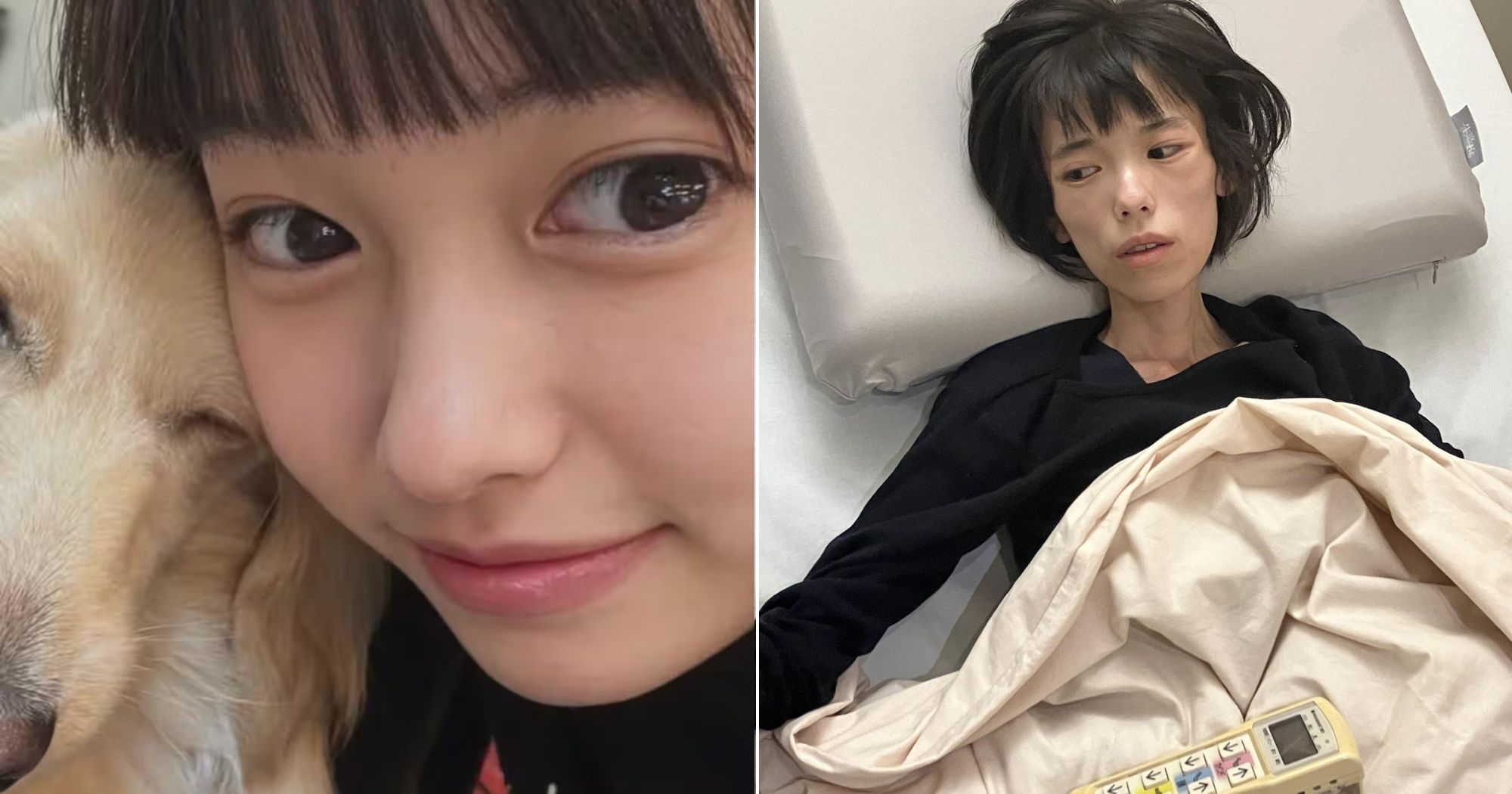
Runa was arrested for an alleged assault at a disability care home where she worked, held for 18 days without seeing her mother, and reportedly pressured to confess. After her release, she was diagnosed with PTSD and an eating disorder, eventually dying from malnutrition, prompting her mother to sue for illegal arrest and detention.
A 16-year-old girl named Runa was held by the police for 18 days because they thought she hurt someone, even though she said she didn't. She wasn't allowed to see her mom and felt very scared and sad. After she was let go, she got very sick and couldn't eat, becoming very thin, and sadly passed away. Now, her mom is suing the government, saying Runa was held unfairly and that it led to her death.
Analysis
Runa's Detention
The article details the harrowing experience of Runa, a 16-year-old Japanese girl, who was detained for 18 days on suspicion of assault. Her alleged crime stemmed from an incident at a disability care home in Hyogo prefecture, where she reportedly placed her hand on a patient's chin to prevent them from biting another. Despite maintaining her innocence, Runa was held for an extended period, during which she was explicitly barred from seeing her mother, Yoko. Her journal entries from this time, reportedly smudged with tears, expressed her distress and longing for her mother, alongside claims of innocence.
During questioning, Runa recounted being subjected to coercive tactics, with interrogators allegedly pressing her to confess and implying that her refusal could negatively impact her mother's facility. This intense psychological pressure, combined with the isolation of detention, reportedly led to her vomiting and collapsing, requiring brief hospitalisation. Upon her release without prosecution, Runa was diagnosed with post-traumatic stress disorder, a direct consequence of her ordeal, which profoundly affected her mental and physical well-being.
The Lawsuit
Following Runa's death five months later from extreme malnutrition, her mother, Yoko, initiated a significant legal battle against the national and prefectural governments. Yoko is seeking JPY$109,000,000 (S$888,617) in damages, asserting that her daughter's death was a direct result of illegal arrests and detention. Her claims, presented during the first court hearing on October 21, include allegations of an illegal and sloppy investigation, coupled with the sustained pressure on Runa to confess to a crime she denied committing.
Yoko's legal action aims to clarify the factual basis and justification behind the decision to detain her daughter for such an extended period under these conditions. She argues that the detention environment and the alleged coercive interrogation methods directly contributed to Runa's severe psychological trauma and the subsequent eating disorder, ultimately leading to her tragic passing at a mere 20 kilograms. The lawsuit underscores a demand for accountability and transparency regarding the treatment of minors within the Japanese legal system.
Hyogo Prefectural Police
In response to Yoko's lawsuit, the Hyogo Prefectural Police have firmly denied any wrongdoing in their investigation and the management of the detention facility. They contend that their actions were entirely legal under the National Compensation Act, rejecting the claims of illegality. Their defense strategy also includes questioning the direct causal link between Runa's detention and her death, noting that she passed away five months after her release, not immediately.
The police have suggested that other factors, such as potential pre-existing medical conditions, might have contributed to Runa's decline, thereby attempting to distance the detention from the ultimate tragic outcome. They have formally requested that Yoko's claim for damages be dismissed. This stance sets the stage for a contentious legal battle, highlighting a significant divergence in perspectives regarding the responsibility for Runa's death and the integrity of the police's procedures.
Key points
- Runa, 16, was detained for 18 days in Japan on suspicion of assault, during which she was denied access to her mother.
- She reportedly developed PTSD and an eating disorder after her release, eventually dying five months later from extreme malnutrition, weighing 20kg.
- Runa's journal entries indicated she maintained her innocence and felt pressured to confess during questioning.
- Her mother, Yoko, has filed a lawsuit against the national and prefectural governments, seeking JPY$109,000,000 in damages for illegal arrest and detention.
- The Hyogo Prefectural Police deny any illegality and question the direct causal link between the detention and Runa's death, suggesting other potential factors.
The lawsuit filed by Runa's mother could potentially lead to a thorough review of juvenile detention protocols and interrogation techniques in Japan, ensuring greater protection for minors and preventing similar tragedies in the future. A successful legal challenge might also foster increased accountability for law enforcement agencies.
The Hyogo Prefectural Police's denial of any illegality and their questioning of the direct link between Runa's detention and death suggest a prolonged and difficult legal battle for her mother. This could result in no significant changes to detention practices or accountability for the officials involved, leaving systemic issues unaddressed.