Japanese store worker, 22, dies after being told by employer to reenter earthquake-hit building to return sales proceeds
A 22-year-old Japanese store worker died after being ordered by her employer to reenter an earthquake-hit building to return sales proceeds. The incident occurred in Kumamoto, Japan, where a magnitude 7.1 earthquake struck on July 28.
Intelligence analysis by Llama
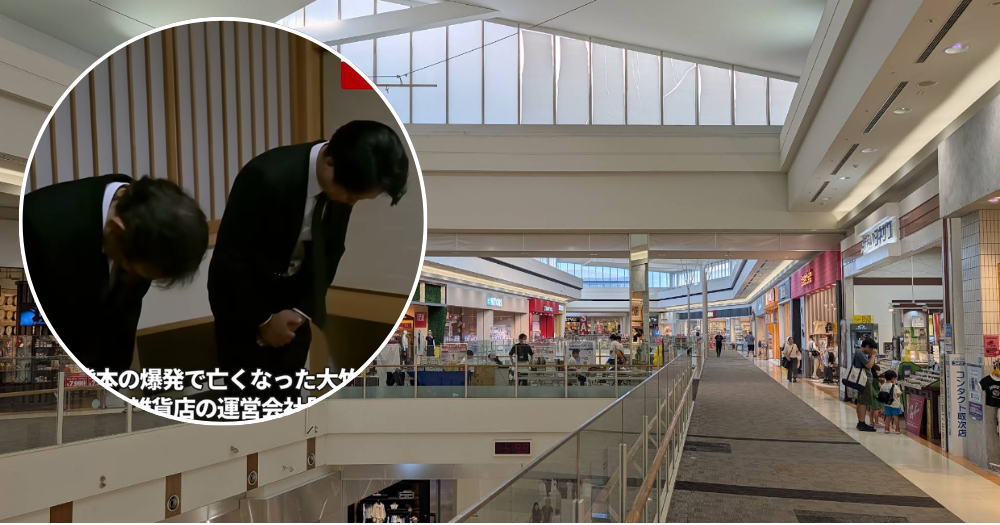
A Japanese store worker, 22, died after being told by her employer to reenter an earthquake-hit building to return sales proceeds. The incident occurred in Kumamoto, Japan, where a magnitude 7.1 earthquake struck on July 28. The company has apologized for the incident, saying it was a matter of profound sorrow.
Imagine you're working in a store, and there's a big earthquake. You and your friends run out of the store to safety. But then, your boss tells you to go back into the store to get some money. This is what happened to a 22-year-old Japanese store worker named Otake Kurumi. She went back into the store with her friend, but there was a big explosion, and they both died. It's a very sad story, and it shows how important it is to keep people safe in emergency situations.
Analysis
A Tragic Loss of Life in the Wake of Disaster
The incident in Kumamoto, Japan, is a stark reminder of the risks faced by workers in disaster situations. A 22-year-old store worker, Otake Kurumi, was ordered by her employer to reenter the earthquake-hit building to return sales proceeds. This decision ultimately led to her death, along with that of her colleague. The company has apologized for the incident, saying it was a matter of profound sorrow. This apology, however, does not alleviate the pain and suffering of the families of the victims.
The Role of Employers in Disaster Situations
In situations like this, employers have a critical role to play in ensuring the safety of their workers. The decision to send workers back into a disaster zone, even if it is to retrieve sales proceeds, is a complex one. It requires careful consideration of the risks involved and the potential consequences for the workers. In this case, the employer's decision to send Otake and her colleague back into the building was a fatal one.
The Importance of Prioritizing Worker Safety
The incident in Kumamoto highlights the importance of prioritizing worker safety in disaster situations. Employers must take a proactive approach to ensuring the safety of their workers, including providing them with the necessary training and equipment to respond to emergencies. They must also be willing to take difficult decisions, such as evacuating workers from the affected area, even if it means incurring financial losses. Ultimately, the safety of workers must be the top priority in any disaster situation.
Key points
- A 22-year-old Japanese store worker died after being ordered by her employer to reenter an earthquake-hit building to return sales proceeds.
- The incident occurred in Kumamoto, Japan, where a magnitude 7.1 earthquake struck on July 28.
- The company has apologized for the incident, saying it was a matter of profound sorrow.
- The incident highlights the risks faced by workers in disaster situations and the importance of prioritizing their safety.
- Employers must take a proactive approach to ensuring the safety of their workers, including providing them with the necessary training and equipment to respond to emergencies.
The incident in Kumamoto highlights the importance of prioritizing worker safety in disaster situations. Employers must take a proactive approach to ensuring the safety of their workers, including providing them with the necessary training and equipment to respond to emergencies. This could lead to improved safety protocols and better decision-making in similar situations.
The incident in Kumamoto raises concerns about the responsibility of employers in disaster situations. If the employer had prioritized the safety of the workers, the tragedy might have been avoided. This highlights the need for employers to take a more proactive approach to ensuring the safety of their workers.