JD Sports boss is still struggling to turn up the heat on a tepid trainer market
JD Sports has cut its profit forecast by £50m due to cost of living pressures and a tepid trainer market. The company's share price has fallen 14% and is back at 2019 levels.
Intelligence analysis by Llama
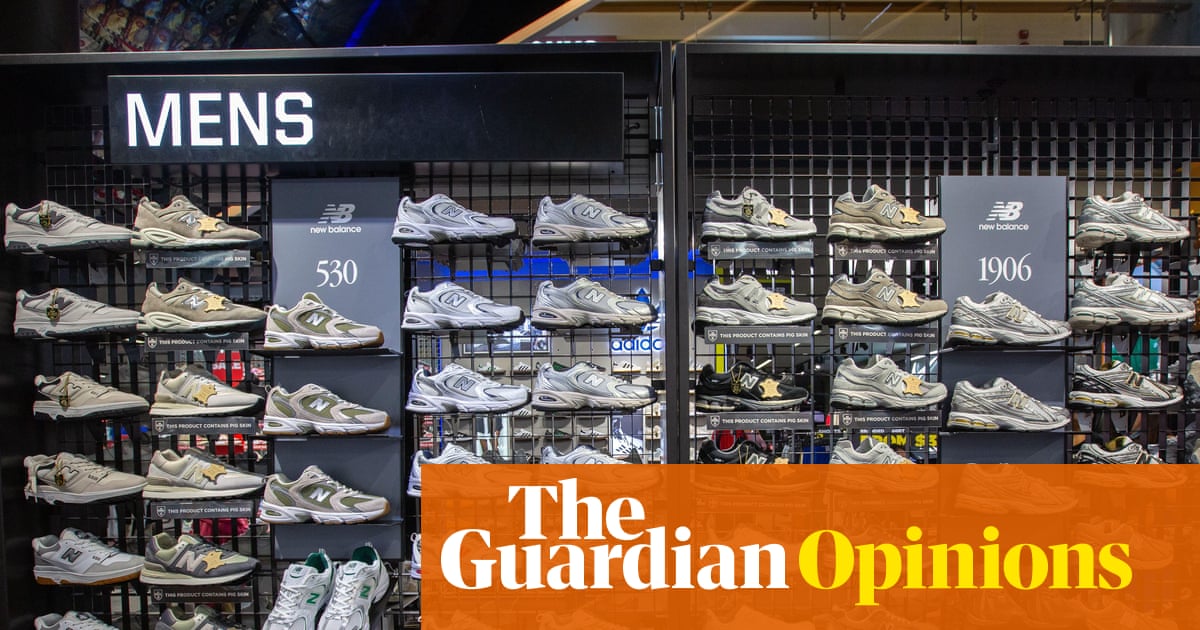
JD Sports has struggled to turn up the heat on a tepid trainer market, with cost of living pressures and a lack of hot new designs from Nike and Adidas contributing to a 14% slump in its share price.
Imagine you're at a store that sells cool shoes. But the shoes aren't as cool as they used to be, and people aren't buying as many as they used to. That's what's happening with JD Sports, a company that sells a lot of shoes. They're not selling as many shoes as they used to, and that's making their business struggle.
Analysis
JD Sports' Struggling Sales Performance
JD Sports has been struggling to turn up the heat on a tepid trainer market, with its latest profit warning being particularly disappointing in a World Cup year. The company's share price has fallen 14% and is back at 2019 levels. The low-heat grumble will be familiar to JD's shareholders, who have heard the phrase 'incremental cost of living pressures' so often in the company's updates in the past couple of years that it would be easier to tell us when discounting isn't dominant.
The Impact of Cost of Living Pressures
The result of JD's struggles is a 14% slump in its share price. The company now thinks it'll make between £700m and £800m at an underlying pre-tax level this financial year, down from the previous estimate of £750m-£850m. This was the third warning since early 2024, and the particular disappointment this time is that it was a men's football World Cup year, which ought to have been good for generating a general sporty buzz for a global business.
The Future of the Athleisure Trend
The deeper worry at JD is that the whole 'athleisure' trend isn't coming back – or, if it does, at nothing like the level of the old days. The Covid pandemic created a mini-boom for joggers and trainers but since then the direction has only been one way. Did Nike and Adidas push prices too far? Have they been outflanked by the likes of Hoka and On? Or have consumer tastes just changed? Probably all of the above to an extent – and none is good news for JD.
Key points
- JD Sports has cut its profit forecast by £50m due to cost of living pressures and a tepid trainer market.
- The company's share price has fallen 14% and is back at 2019 levels.
- JD Sports is struggling to turn up the heat on a tepid trainer market, with a lack of hot new designs from Nike and Adidas contributing to the problem.
- The company's reliance on a few big brands makes it vulnerable to changes in consumer tastes and preferences.
- JD Sports is working on improving its internal controls and buying back shares to help it weather the current tough times.
If JD Sports can find a way to make its shoes more appealing to customers, it could turn its business around. The company has been working on improving its internal controls and buying back shares, which could help it weather the current tough times.
If the athleisure trend doesn't come back, JD Sports could be in for a long period of struggle. The company's reliance on a few big brands, such as Nike and Adidas, makes it vulnerable to changes in consumer tastes and preferences.