JUI-F keeps PTI alliance option open, rules out new provinces
JUI-F representative Engineer Zia-ur-Rehman said the party has kept the door open for closer political cooperation with PTI, while making it clear that JUI-F does not support the creation of new provinces under the current circumstances.
Intelligence analysis by Llama
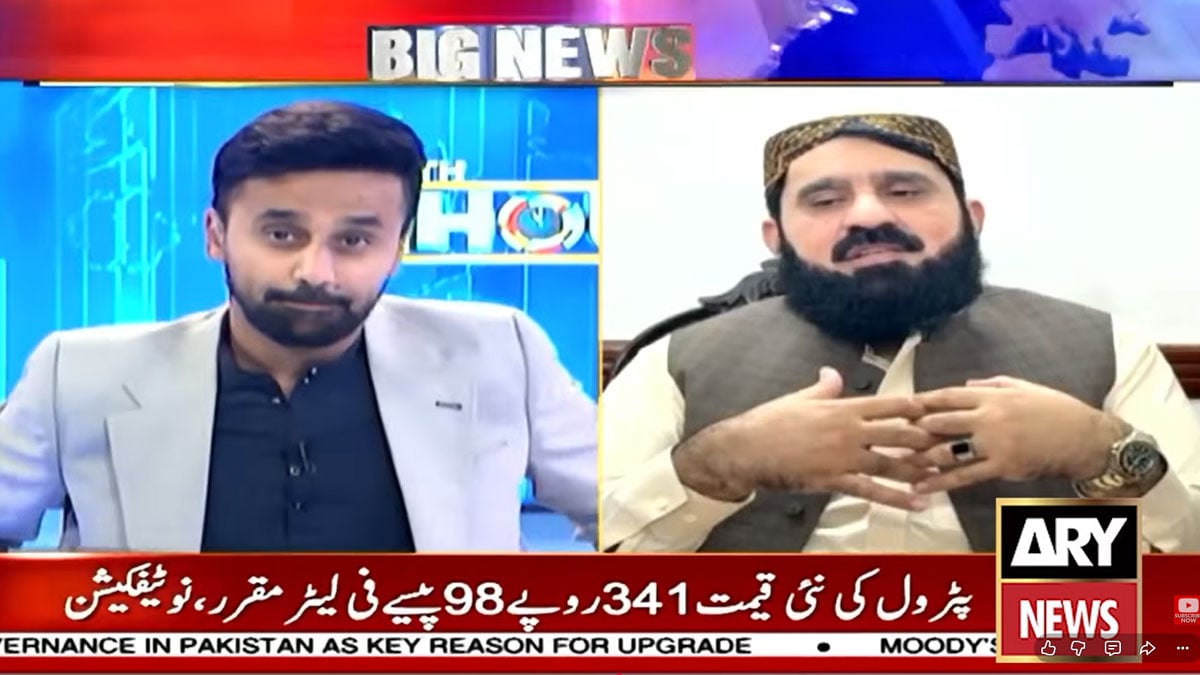
JUI-F has kept the door open for closer political cooperation with PTI, while ruling out new provinces. The party's representative, Engineer Zia-ur-Rehman, said PTI has a responsibility to bring other opposition groups together and improve coordination.
JUI-F is a political party in Pakistan that is considering working with another party called PTI. They don't want to create new provinces right now because some parts of the country are having problems with law and order. This could be important for the country's politics and how things are run.
Analysis
JUI-F's Stance on PTI Alliance and New Provinces
JUI-F has kept the door open for closer political cooperation with PTI, while making it clear that the party does not support the creation of new provinces under the current circumstances. This stance is significant because it could potentially impact the country's politics and governance.
According to JUI-F representative Engineer Zia-ur-Rehman, the party has been in talks with PTI and other opposition groups to coordinate a common political strategy. He said that the recent meetings were significant because the parties were no longer merely holding discussions but were working towards joint action on issues including peace, law and order, constitutional supremacy, and the rule of law.
On the possibility of JUI-F joining PTI's September 27 movement, Zia-ur-Rehman stopped short of giving a commitment. He said that PTI, as the largest parliamentary opposition party, had a responsibility to bring other opposition groups together and improve coordination.
Addressing reports that JUI-F chief Maulana Fazlur Rehman had been seeking parliamentary seats, government positions, or guarantees regarding a future political setup in return for cooperation with PTI, Zia-ur-Rehman rejected the claims. He said that the statement effectively answered the allegations that had been circulating on social media and among some political commentators.
Zia-ur-Rehman also indicated that the Pakistan Peoples Party (PPP) could potentially become part of the emerging opposition arrangement, although the party currently maintains its own political position. He argued that opposition parties often share similar views and concerns on major national issues, but their lack of coordination has prevented them from pursuing a common political strategy.
He questioned the wisdom of discussing the division of provinces or creation of new administrative units while parts of the country were already facing law-and-order problems. Zia-ur-Rehman clarified that JUI-F had not opposed the administrative reorganisation of the country in principle. However, he said that the present circumstances were not conducive to such a move and questioned whether the current government had sufficient legitimacy to undertake such a major constitutional and administrative initiative.
Implications of JUI-F's Stance
The implications of JUI-F's stance on PTI alliance and new provinces are significant. If JUI-F were to join PTI's September 27 movement, it could potentially lead to a united opposition in Pakistan, which could impact the country's politics and governance. The development could also impact the country's administrative reorganisation, particularly at a time when Khyber Pakhtunkhwa and Balochistan are facing serious security and political challenges.
Conclusion
In conclusion, JUI-F's stance on PTI alliance and new provinces is significant. The party has kept the door open for closer political cooperation with PTI, while ruling out new provinces. The development could potentially impact the country's politics and governance, and it remains to be seen how the situation will unfold.
Key points
- JUI-F has kept the door open for closer political cooperation with PTI.
- JUI-F does not support the creation of new provinces under the current circumstances.
- PTI has a responsibility to bring other opposition groups together and improve coordination.
- JUI-F has not opposed the administrative reorganisation of the country in principle.
- The present circumstances are not conducive to creating new provinces.
If JUI-F and PTI were to work together, it could potentially lead to a united opposition in Pakistan, which could impact the country's politics and governance in a positive way. This could also lead to better coordination and cooperation between opposition parties, which could improve the country's overall governance.
However, if JUI-F and PTI were to fail to work together, it could lead to a continuation of the current political instability in Pakistan. This could also lead to further division and fragmentation among opposition parties, which could worsen the country's governance.