Kalshi to make some users reveal job details to tackle insider trading
Kalshi will ask some users to disclose where they work before trading in higher-risk markets, aiming to block insider betting.
Intelligence analysis by GPT-5.4 Mini
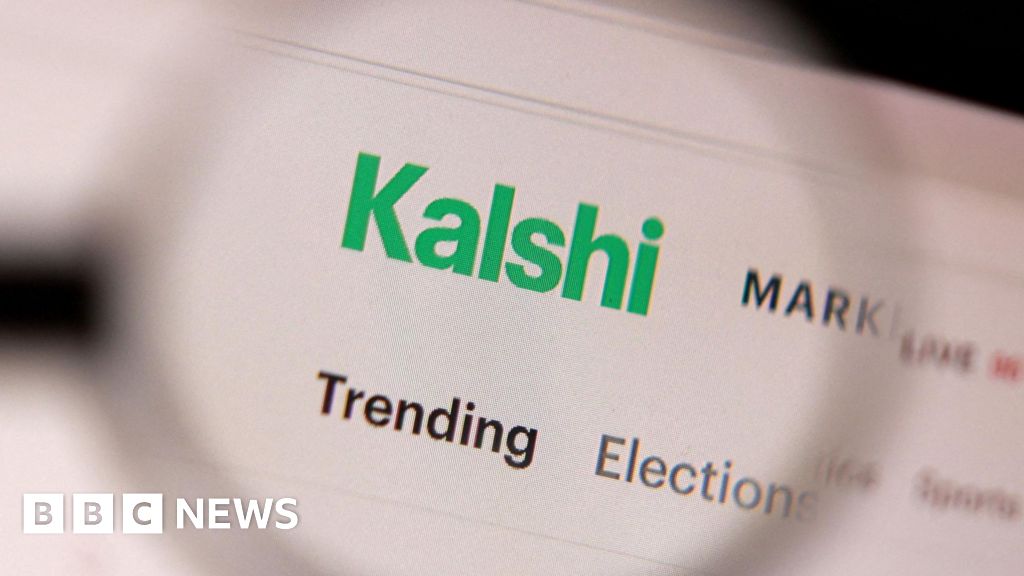
Kalshi is adding a work-details check for bets it считает especially vulnerable to insider trading or manipulation. The move comes as prediction markets draw more scrutiny from regulators and law enforcement.
Kalshi is like a school raffle where people can bet on what happens next. To stop kids with secret answers from cheating, it may ask some people where they work before letting them play in the trickiest games.
Analysis
What Kalshi is changing
Kalshi said it will start collecting work information from users who want to place bets in markets it considers to have a higher risk of insider trading or manipulation. The company said the rule will apply to markets with "heightened insider or manipulation risk," such as hypothetical bets tied to who might list first, including OpenAI or Anthropic.
Why it is doing this
The platform has come under growing scrutiny as prediction markets become more popular. These markets let people bet against each other on elections, sports, culture, and other public events. Kalshi says the new step will help it identify "presumptive insiders" and block them before a trade happens.
The company also said it uses a risk-scoring system to decide which markets look more exposed. It gave national security as one example of an area that could raise the risk level before a market is listed.
Pressure from investigations
The article says Kalshi has already faced multiple insider-trading concerns. It notes an investigation involving former Congressman George Santos, and says Kalshi previously found that candidates for Congress in Minnesota, Texas, and Virginia were betting on their own races. Kalshi also said it made more than 20 referrals to law enforcement in the first quarter of this year after opening more than 150 internal investigations.
The wider sector is under similar pressure. The article says a Google employee was charged with insider trading over bets on rival Polymarket, and that a US special forces soldier was accused of making successful bets on the removal operation involving Nicolás Maduro.
The bigger picture is that prediction markets can now operate widely in the US because they are regulated as trading, not gambling. That has helped them scale quickly, but it also makes insider abuse a serious reputational and regulatory risk.
Key points
- Kalshi will ask some users to reveal where they work before trading in markets it sees as high risk.
- The company says the goal is to stop insider trading and manipulation before a trade is placed.
- Kalshi says it uses risk scoring to flag markets, including ones tied to national security.
- The article cites multiple recent insider-trading concerns across Kalshi and rival Polymarket.
- Prediction markets are growing fast in the US, but that growth is bringing more scrutiny.
If the screening works, Kalshi could reduce illegal trading and make its markets more trustworthy. That might help the company keep growing while easing pressure from regulators and law enforcement.
The checks could be too easy to evade, or they could block honest users while missing real insiders. If suspicious trading continues, the company may face more scrutiny and lose trust in a business built on confidence in fair pricing.