Karachi Port Receives First-Ever Roll-Off Shipment of 2,000 Electric Vehicles
Karachi Port has received its first-ever roll-on/roll-off (RoRo) shipment of 2,000 electric vehicles, marking a historic milestone for Pakistan's maritime trade sector.
Intelligence analysis by Llama
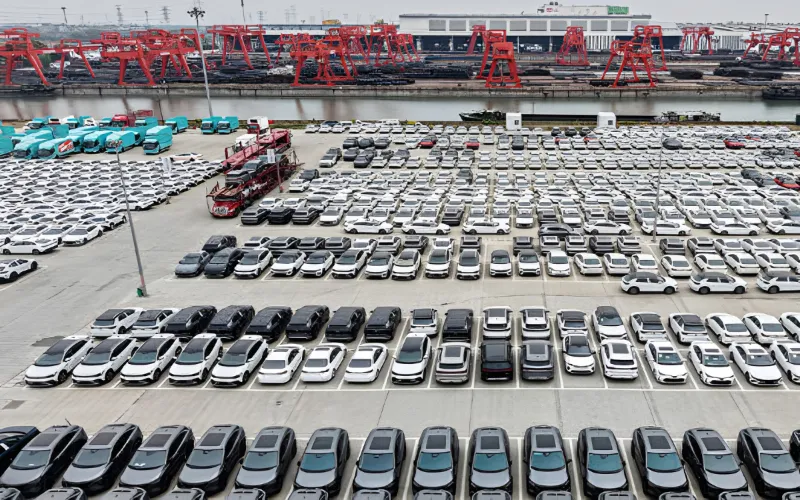
Karachi Port has received its first-ever roll-on/roll-off (RoRo) shipment of 2,000 electric vehicles, marking a historic milestone for Pakistan's maritime trade sector. This development comes as Pakistan continues its efforts to modernize its maritime sector by upgrading port infrastructure, improving terminal facilities, introducing customs reforms, and increasing investment in the c…
Imagine a big ship that can carry thousands of cars and trucks directly onto and off the ship using built-in ramps. This is called roll-on/roll-off (RoRo) shipping. Recently, Karachi Port received its first-ever RoRo shipment of 2,000 electric vehicles, which is a big deal for Pakistan's maritime trade sector. This development will help improve shipping efficiency, strengthen Pakistan's connectivity to global supply chains, and support the country's plans to expand its maritime economy.
Analysis
A $60B Vote of Confidence
Karachi Port's receipt of the first-ever roll-off shipment of 2,000 electric vehicles is a significant development for Pakistan's maritime trade sector. This achievement marks a major milestone in the country's efforts to modernize its port infrastructure and improve its trade capacity. The arrival of the electric vehicles aboard the RoRo vessel MV Grande Shanghai at Karachi Gateway Terminal Multipurpose Ltd. is a testament to the country's commitment to upgrading its port facilities and introducing customs reforms. The development comes as Pakistan continues to invest in its blue economy, with a focus on improving shipping efficiency, strengthening its connectivity to global supply chains, and supporting the country's plans to expand its maritime economy.
Why Karachi Port Matters
Karachi Port is a critical component of Pakistan's maritime trade sector, handling most of the country's international trade. The port's ability to accommodate ultra-large container ships will improve shipping efficiency, strengthen Pakistan's connectivity to global supply chains, and support the country's plans to expand its maritime economy. The arrival of the electric vehicles aboard the RoRo vessel marks an important achievement for Pakistan's maritime trade sector, as the country continues to modernize its port infrastructure and improve its trade capacity.
The Road Ahead
The development of Karachi Port's roll-off shipment of 2,000 electric vehicles is a significant step towards modernizing the country's maritime sector. The country's efforts to upgrade its port infrastructure, improve terminal facilities, introduce customs reforms, and increase investment in its blue economy will further strengthen Pakistan's trade capacity. The arrival of the electric vehicles aboard the RoRo vessel marks an important achievement for Pakistan's maritime trade sector, as the country continues to modernize its port infrastructure and improve its trade capacity.
Key points
- Karachi Port has received its first-ever roll-on/roll-off (RoRo) shipment of 2,000 electric vehicles.
- The development marks a historic milestone for Pakistan's maritime trade sector.
- The arrival of the electric vehicles aboard the RoRo vessel marks an important achievement for Pakistan's maritime trade sector.
- The development comes as Pakistan continues its efforts to modernize its maritime sector by upgrading port infrastructure, improving terminal facilities, introducing customs reforms, and increasing investment in the country's blue economy.
The development of Karachi Port's roll-off shipment of 2,000 electric vehicles is a significant step towards modernizing the country's maritime sector. If this development plays out positively, it could lead to improved shipping efficiency, strengthened connectivity to global supply chains, and increased investment in Pakistan's blue economy.
However, there are also potential risks associated with this development. For instance, the increased demand for roll-on/roll-off shipping services could lead to congestion at Karachi Port, which could negatively impact shipping efficiency and trade capacity.