Kemi Badenoch claims Labour is preparing for a general election in May 2027
Tory leader Kemi Badenoch has stated that Labour is preparing for a general election as early as May 2027, despite Prime Minister Andy Burnham ruling out an early contest. Badenoch cited Labour's policy announcements, which extend beyond the next general election, as evid…
Intelligence analysis by Gemini 2.5 Flash Lite
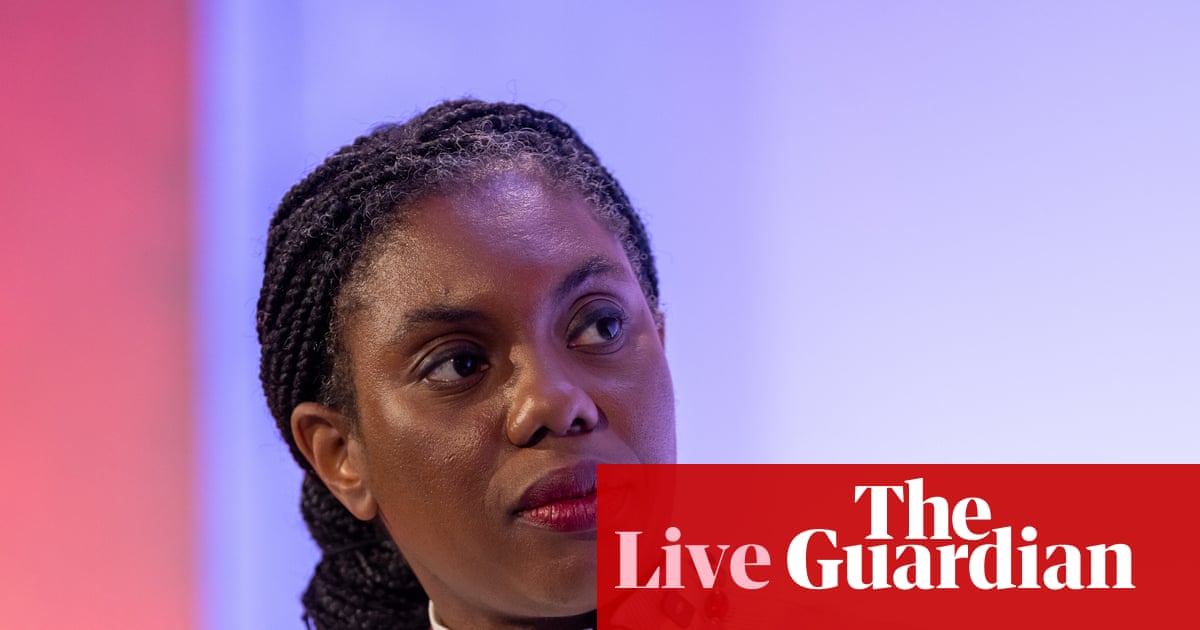
Kemi Badenoch, leader of the Conservative party, has accused Labour of secretly preparing for a general election in May 2027, contradicting Prime Minister Andy Burnham's public statements. Badenoch suggests that Labour's policy agenda, with many proposals slated for post-election implementation, indicates a hidden intention to call an early vote, amidst a backdrop of shifting poll num…
Imagine two kids, Andy and Kemi, are playing a game. Andy says he won't play the next round until 2029. But Kemi notices Andy is already getting his game pieces ready and practicing moves that look like he wants to play much sooner, maybe even in May 2027. So, Kemi thinks Andy is just saying he'll wait, but he's actually planning to play much earlier.
Analysis
Kemi Badenoch
Kemi Badenoch, in her capacity as leader of the Conservative party, has put forward a significant claim regarding the Labour party's electoral intentions. She asserts that Labour is actively preparing for a general election to be held as early as May 2027. This assertion directly challenges the public stance of Prime Minister Andy Burnham, who has previously stated his intention to hold the election no earlier than 2029. Badenoch's argument hinges on the nature of Labour's recent policy announcements, suggesting that the long-term timelines of these proposals are indicative of an expectation for an election sooner rather than later.
Badenoch's analysis suggests that the policies announced by the Labour party are designed to be implemented after the next general election. She questions the rationale behind discussing policies that extend to 2030 if an election is not imminent. This line of reasoning implies a strategic deception on Labour's part, where public statements about delaying an election mask a private readiness for an earlier contest. The Conservative leader frames this as a period of "political volatility and multi-party politics," suggesting that electoral landscapes can shift rapidly and that Burnham's stated plans might not reflect his true intentions.
Andy Burnham
Prime Minister Andy Burnham has publicly dismissed the notion of an early general election, stating that he would not call a national vote before 2029. This position has been reiterated despite recent polling data showing a surge in Labour's support, placing them ahead of their rivals. Badenoch's counter-argument suggests that Burnham's pronouncements are a strategic misdirection. She interprets the timing of Labour's policy rollouts as evidence that they are, in fact, preparing for a May 2027 election. The political climate, characterized by what Badenoch describes as "political volatility and multi-party politics," means that such predictions are subject to rapid change and strategic interpretation by opposing parties.
The context for Badenoch's claims includes recent shifts in public opinion polls, which have seen Labour gain a lead. This has fueled speculation within Westminster about the potential benefits and risks of an early election for the governing party. However, the article also notes that Labour itself might face risks, including the possibility of losing its majority and needing to form a coalition government, suggesting internal divisions or strategic hesitations within Labour's own ranks regarding an early poll.
May 2027
The specific timeframe of May 2027, as suggested by Badenoch, points to a strategic calculation based on the current political and economic climate. While Prime Minister Burnham has publicly committed to a later election, Badenoch's interpretation of Labour's policy announcements suggests they are preparing for a vote within the next two years. This period is significant as it follows a period of intense political and economic flux, including global bond market turmoil and rising energy costs, which could influence voter sentiment.
Badenoch's prediction also comes ahead of the Conservative party conference, indicating a potential strategy to frame the political narrative and put pressure on the Labour government. The mention of Labour's policies being for "after an election" implies that the current government might be using the period before the next election to lay the groundwork for future initiatives, or perhaps to avoid making difficult decisions that could impact their electoral prospects. The broader political landscape, as described by Badenoch, is one of uncertainty, where predictions about election timing are subject to constant re-evaluation based on poll performance and policy delivery.
Key points
- Conservative leader Kemi Badenoch claims Labour is preparing for a general election in May 2027.
- Prime Minister Andy Burnham has publicly stated he will not call an election before 2029.
- Badenoch bases her prediction on Labour's policy announcements, suggesting they are planned for post-election implementation.
- Speculation about an early election has increased following Labour's recent rise in opinion polls.
- The UK faces political volatility amid global economic challenges, including turmoil in bond markets and rising energy costs.
If Kemi Badenoch's prediction is accurate and Labour does call an early election in May 2027, it could lead to a period of renewed political engagement and a clear mandate for the winning party to implement their agenda. This could potentially bring about swift policy changes and a more decisive direction for the country.
Conversely, if Labour is indeed preparing for an early election that is not widely anticipated, it could lead to political instability and public distrust if the timing is perceived as opportunistic or driven by short-term polling gains rather than national interest.